

home improvement
5 Things to Consider Before Buying a Heat Pump
Considering energy efficiency, cost savings, suitability to climate, size, and installation, homeowners may benefit from replacing gas furnaces with electric heat pumps for heating and cooling.


(Family Features) If you’re like many homeowners who are considering ways to achieve greater energy efficiency, cut costs long term and reduce use of fossil fuels, replacing your gas furnace with an electric-powered heat pump may be part of the solution.
Like an air conditioner, a heat pump is installed outside the home and can cool it, but heat pumps are also capable of providing heat. In fact, many homeowners can’t tell the difference between a traditional heat pump and an air conditioner because they look alike and have similar hook-ups. However, in cooler months, a heat pump pulls heat from the cold outdoor air and transfers it indoors, and similarly, in warmer months, it pulls heat out of indoor air to cool your home.
When considering purchasing a heat pump for your home, it’s important to evaluate several factors to ensure you make an informed decision. Here are five key things to consider from the experts at Carrier, a leader in high-technology heating, air-conditioning and refrigeration solutions:
1. Energy Efficiency
Heat pumps are rated by their Heating Seasonal Factor, which is a measure of a heat pump’s overall energy efficiency during the heating season; their Seasonal Energy Efficiency Ratio (SEER2); and their Energy Efficiency Ratio. These ratings are like miles per gallon for a car: the higher the rating, the more energy-efficient the system is, which can lead to lower utility bills. For example, standard SEER2 ratings today are around 14.3 (and some older units are as low as 8), but units with a SEER2 rating above 16 have lower energy costs, which translates into higher energy savings.
2. Climate Suitability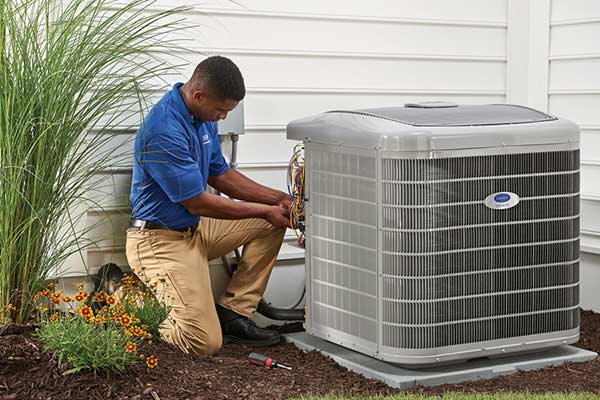
Heat pumps are most efficient in areas with moderate temperate ranges. If you live in an area with extreme cold, you may need a heat pump designed for low temperatures such as Carrier’s Infinity Heat Pump with Greenspeed Intelligence, which operates at temperatures as low as minus 15 degrees. Or you can combine a heat pump with a gas furnace in colder climates for energy-efficient heating on all but the coldest days.
3. Cost and Incentives
While heat pumps can be more expensive initially, their efficiency can lead to long-term savings. Research available incentives, rebates and tax credits that can help offset some of the upfront cost. Many governments, manufacturers and utility companies also offer financial incentives for installing energy-efficient systems. For example, the Inflation Reduction Act of 2022 provides several tax credits, up to $2,000 for qualified heat pumps, and is available through 2032.
4. Size and Capacity
It’s essential to ensure the heat pump is the appropriate size for your home. An undersized unit may run virtually nonstop to try and maintain a comfortable temperature inside your home while an oversized unit will cycle on and off frequently, reducing efficiency and lifespan. A professional Carrier dealer can help you determine the correct size based on your home’s heating and cooling needs.
5. Installation and Maintenance
Professional and proper installation are crucial for optimal performance. Choose a reputable, experienced HVAC contractor to install your heat pump. The average lifespan of a well-maintained heat pump is 15 years. However, with varying conditions and homeowner habits, it could live well beyond that.
Understand the heat pump’s maintenance needs, including regular filter changes, coil cleaning and annual inspections to ensure longevity and efficiency. Without regular cleaning and maintenance, dirty coils can cause your system to work harder to keep up with demand, decreasing efficiency and increasing stress on the fans, motors and system components. Dirty, clogged air filters can restrict airflow, resulting in reduced comfort, higher utility bills and, in extreme cases, a total shutdown of the system.
By carefully considering these factors, you can choose a heat pump that best meets your home’s needs and provides efficient, reliable heating and cooling. Learn more at Carrier.com.
SOURCE:
Carrier
Welcome to the Consumer Corner section of STM Daily News, your ultimate destination for savvy shopping and informed decision-making! Dive into a treasure trove of insights and reviews covering everything from the hottest toys that spark joy in your little ones to the latest electronic gadgets that simplify your life. Explore our comprehensive guides on stylish home furnishings, discover smart tips for buying a home or enhancing your living space with creative improvement ideas, and get the lowdown on the best cars through our detailed auto reviews. Whether you’re making a major purchase or simply seeking inspiration, the Consumer Corner is here to empower you every step of the way—unlock the keys to becoming a smarter consumer today!


Last Updated on April 2, 2026 by Daily News Staff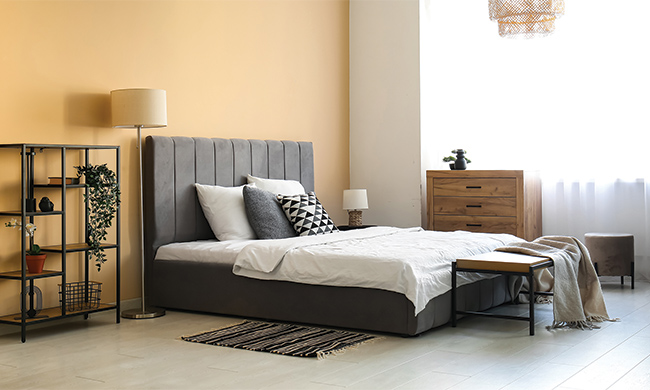
(Feature Impact) Making changes to a bedroom doesn’t have to break the bank. Simple swaps, a little DIY and some inexpensive purchases can go a long way toward freshening up the place you lay your head.
Better Bedding
If you can’t remember the last time you bought a new comforter, it may be time to snag one. Think beyond the luxury home stores and check out discount home decor retailers and even thrift stores, where you can often find new, unopened bedding at a fraction of the cost. A fluffy throw blanket in a dynamic new color might be the perfect way to rejuvenate your bed.
Playful Pillows
Few things spruce up a bedroom more than new throw pillows. Available in a myriad of sizes and shapes – from squares to rectangles to asymmetrical – there is no shortage of ways to use these functional pieces to brighten up a space.
Uplifting Light
Old-fashioned lamps, ancient wall sconces and dusty chandeliers can make a room feel stale. Scouring consignment stores and estate sales for new lighting can take a bedroom from dated to delightful without spending a ton of cash. If big box stores are more your thing, you can find budget lamps in unexpected departments; for example, try the back-to-school sections for dorm-friendly finds like twinkle lights and small bedside lamps. These little pops of light can both brighten and cozy up a room with minimal effort.
Punchy Paint
Repainting a room is a doable DIY project, and it can make a huge difference in how a room looks andfeels. Give yourself time to peruse the countless paint swatches at specialty paint stores or home improvement stores. If you’ve always gravitated toward earthy tones, maybe opt for a color with a little more depth or saturation. If brighter hues are your thing, go a little darker. If you love the idea of painting but worry about buyer’s remorse, start with an accent wall.
Heavenly Hardware
Functional hardware like drawer pulls and doorknobs can be replaced without much effort or money. Secondhand stores, online marketplaces and even furniture boutiques can be a goldmine for offbeat and unique hardware. Be sure to think beyond your bedside, too. Wardrobe handles, closet rods, sconces, wall hooks and hinges can be swapped out easily and inexpensively.
Find more tips and guidance to give your bedroom a budget-friendly upgrade at eLivingtoday.com.
Photo courtesy of Shutterstock

SOURCE:
Welcome to the Consumer Corner section of STM Daily News, your ultimate destination for savvy shopping and informed decision-making! Dive into a treasure trove of insights and reviews covering everything from the hottest toys that spark joy in your little ones to the latest electronic gadgets that simplify your life. Explore our comprehensive guides on stylish home furnishings, discover smart tips for buying a home or enhancing your living space with creative improvement ideas, and get the lowdown on the best cars through our detailed auto reviews. Whether you’re making a major purchase or simply seeking inspiration, the Consumer Corner is here to empower you every step of the way—unlock the keys to becoming a smarter consumer today!

Refresh Your Home: A Room-by-Room Spring Cleaning Checklist
(Feature Impact) After months of winter, spring cleaning isn’t just about dusting and vacuuming – it’s about inviting sunlight and fresh air into your space through the open windows and giving yourself a fresh start for the longer days ahead.
It’s also a perfect opportunity to clear out the old and make room for new experiences, memories and energy. Whether you’re tackling deep cleaning for the first time or you have seasonal rituals for tidying up your home, this room-by-room guide can help you plan and conquer seasonal chores.
Whole Home:
- Declutter spaces: Donate, recycle or discard what you don’t need
- Wash windows inside and out
- Dust baseboards, walls, vents and ceiling fans
- Wipe down doors, knobs and light switches
- Vacuum and clean under and behind furniture
- Clean curtains and blinds
- Store seasonal items like winter clothing and decor
- Replace air filters
- Shampoo carpet
Kitchen:
- Empty and wipe down refrigerator and freezer
- Clean oven, stovetop and microwave
- Scrub countertops and backsplashes
- Clean out the garbage disposal
- Sweep and mop floors
- Organize the pantry and throw away any expired items
Bathrooms:
- Scrub grout and tile
- Clean mirrors and glass surfaces
- Deep clean toilets
- Wipe down cabinets and bathroom fixtures
- Wash rugs, floor mats and the shower curtain and liner
- Empty trash and clean the bin
Bedrooms and Other Living Areas:
- Wash bedding, pillows and linens
- Organize closets and drawers
- Vacuum chair, couches and mattresses as well as under cushions
- Dust shelves and decor
- Clean light fixtures and lampshades
Outdoor Areas:
- Power wash patios, sidewalks and driveways
- Wipe down outdoor furniture and replace textiles like pillows, cushions and umbrellas
- Clear debris from garden beds
- Prune shrubs, plants and trees
- Organize garages and sheds
- Reconnect hoses and sprinklers
- Prep lawn equipment such as mowers, weed eaters and blowers
For more spring cleaning tips and tricks, visit eLivingtoday.com.
Photo courtesy of Shutterstock


SOURCE:
Welcome to the Consumer Corner section of STM Daily News, your ultimate destination for savvy shopping and informed decision-making! Dive into a treasure trove of insights and reviews covering everything from the hottest toys that spark joy in your little ones to the latest electronic gadgets that simplify your life. Explore our comprehensive guides on stylish home furnishings, discover smart tips for buying a home or enhancing your living space with creative improvement ideas, and get the lowdown on the best cars through our detailed auto reviews. Whether you’re making a major purchase or simply seeking inspiration, the Consumer Corner is here to empower you every step of the way—unlock the keys to becoming a smarter consumer today!
Consumer Corner
Avoid a Summer Breakdown: Why Now is a Smart Time to Replace an Old HVAC System
As summer approaches, homeowners are encouraged to replace outdated HVAC systems in spring for improved efficiency and cost savings. Many homeowners lack awareness of their system’s age and lifespan, leading to higher long-term costs. Investing in a modern system enhances air quality, reduces energy bills, and adds home value.

(Feature Impact) With summer heat just around the corner, homeowners may not be aware that spring can be a perfect time to prepare for rising temperatures. An outdated heating, ventilation and air conditioning (HVAC) system, for example, may not be up for the task of keeping a home cool.
In fact, it can end up costing homeowners more in the long term due to a gradual decline in efficiency and more frequent repairs. In addition to savings over time, there are multiple reasons to replace an aging system this spring.
In a recent survey, Carrier found more than one-quarter (26%) of homeowners don’t know the age of their HVAC system, and a slight majority (54%) don’t know the average lifespan of one. Those knowledge gaps can result in missed opportunities for long-term savings.
Aging Systems Can’t Take the Heat
Many homeowners postpone purchasing a new HVAC system until their existing system fails or they find their aging system is struggling to maintain a consistent temperature. Often, upfront costs deter homeowners from purchasing a new system; however, 8 in 10 homeowners would consider a new heating and cooling system if it paid for itself in energy savings within 5-10 years. With a new energy-efficient system, those savings are possible.
A New HVAC System is a Critical Home Investment
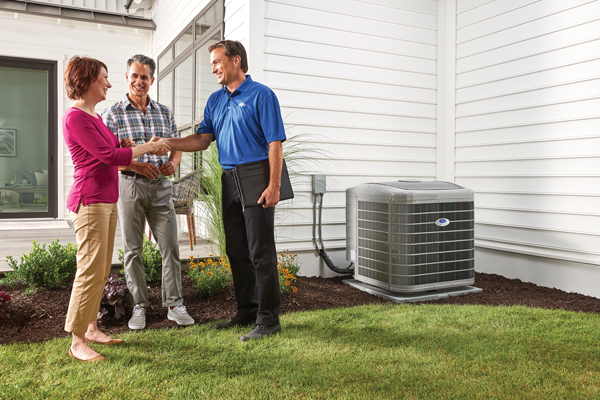 Modern heating and cooling systems have uses beyond heating and cooling. They can improve air quality in the home by balancing humidity levels, reducing drafts and keeping a consistent climate throughout multiple rooms and stories. They also use less energy and run more quietly than older systems, making a home quieter and more cost-effective.
HVAC Basics Many Homeowners Miss
HVAC units often go unseen, yet a home’s comfort depends on them running consistently. It’s critical that homeowners schedule annual maintenance appointments to ensure their system is running as it should and they’re aware of when it may be time to replace.
While it may seem more cost-effective to stick with an outdated system for one more season, an old system could end up prolonging issues and ultimately cost homeowners more in repairs.
Spring is an ideal time to invest in a new HVAC system, as contractors are generally more available to install a new system and homeowners can get ahead of the summer heat, ensuring they’ll be cool all season long.
Signs It’s Time to Replace
Red flags that indicate it’s time for a new HVAC system include: a system that’s more than 10-15 years old, a system that needs noticeably more repairs, energy bills going up despite usage remaining the same, inconsistent temperatures, a system struggling to maintain the desired temperature or a system that’s constantly running or seems less efficient than it used to.
Many companies offer specials during the spring and fall months, known as shoulder season. For example, until May 31, Carrier is offering 0% APR for 60 months and up to $2,100 in rebates so customers can get a jumpstart on a cool, comfortable home. A new HVAC system means more than just cool temps this summer; it means added home value, cleaner air and peace of mind.
Learn more about available rebates, tax credits and financing plans at Carrier.com or by contacting a local expert.


SOURCE:
Carrier
Welcome to the Consumer Corner section of STM Daily News, your ultimate destination for savvy shopping and informed decision-making! Dive into a treasure trove of insights and reviews covering everything from the hottest toys that spark joy in your little ones to the latest electronic gadgets that simplify your life. Explore our comprehensive guides on stylish home furnishings, discover smart tips for buying a home or enhancing your living space with creative improvement ideas, and get the lowdown on the best cars through our detailed auto reviews. Whether you’re making a major purchase or simply seeking inspiration, the Consumer Corner is here to empower you every step of the way—unlock the keys to becoming a smarter consumer today! https://stmdailynews.com/category/consumer-corner





