

Health
Take Control: How managing blood pressure can help save lives
Effectively managing your blood pressure can help reduce your chances of life-threatening medical events, even death

Last Updated on May 18, 2025 by Rod Washington
(Family Features) Effectively managing your blood pressure can help reduce your chances of life-threatening medical events, even death.
Gain confidence and learn how to take control of your blood pressure with these tips and resources from the American Heart Association.
The Silent Killer
High blood pressure is often referred to as the “silent killer” because it typically has few, if any, noticeable symptoms but can lead to heart attack, stroke, heart failure and even death. Many people with high blood pressure don’t even know they have it. Some overlooked symptoms can include dizziness, facial flushing and blood spots in the eyes.
Understand Your Readings
(Family Features) Effectively managing your blood pressure can help reduce your chances of life-threatening medical events, even death.
Gain confidence and learn how to take control of your blood pressure with these tips and resources from the American Heart Association.
The Silent Killer
High blood pressure is often referred to as the “silent killer” because it typically has few, if any, noticeable symptoms but can lead to heart attack, stroke, heart failure and even death. Many people with high blood pressure don’t even know they have it. Some overlooked symptoms can include dizziness, facial flushing and blood spots in the eyes.
Understand Your Readings
The only way to know if you have high blood pressure is to regularly take an accurate blood pressure measurement. Understanding your results is key to controlling high blood pressure. Blood pressure numbers of less than 120/80 mm Hg are usually considered within the normal range, yet it is important to talk to a doctor about your healthy range. Even if you fall within a healthy range, it can be beneficial to stick with heart-healthy habits like following a balanced diet and getting regular exercise. Consider these numbers and ranges to know if it’s necessary to take action:
- Elevated blood pressure is when readings consistently range from 120-129 mm Hg systolic (the upper number) and less than 80 mm Hg diastolic (the lower number). People with elevated blood pressure are likely to develop high blood pressure unless steps are taken to control the condition.
- Hypertension stage 1 is when blood pressure consistently ranges from 130-139 mm Hg systolic or 80-89 mm Hg diastolic. At this stage, doctors are likely to prescribe lifestyle changes and may consider adding blood pressure medication based on your risk of atherosclerotic cardiovascular disease, such as heart attack or stroke.
- Hypertension stage 2 is when blood pressure consistently ranges at 140/90 mm Hg or higher. At this stage, doctors are likely to prescribe a combination of blood pressure medications and lifestyle changes.
- A hypertensive crisis requires medical attention. If your blood pressure readings suddenly exceed 180/120 mm Hg, wait 5 minutes then test again. If your readings are still unusually high, contact your doctor immediately. Seek emergency help if your blood pressure is higher than 180/120 mm Hg and you are experiencing signs of possible organ damage such as chest pain, shortness of breath, back pain, numbness or weakness, change in vision or difficulty speaking.
Know Your Risk
While many risk factors for high blood pressure may be related to your age, gender and family history, there are also risk factors you can change to help prevent and manage high blood pressure. People at added risk may be those who engage in lower levels of physical activity, eat a diet high in sodium (particularly from packaged, processed foods), may be overweight or obese, drink excessive amounts of alcohol and may have multiple chronic conditions.
Talk About It
Whether you’re making changes in your own life to combat high blood pressure or helping someone else, positive feelings and confidence are longer-term motivators to making health changes. If you’re talking with friends, loved ones or your doctor, be prepared to ask open-ended questions. Be curious and kind to yourself and others you may be helping.
Lowering Your Pressure
You can reduce your risk of heart disease, stroke, heart failure and even death with lifestyle changes and medication.
Watching your weight, especially if you are overweight or obese, can bring health gains; losing as little as 5-10 pounds may help lower your blood pressure. Managing your stress by relaxing for short periods during your workday, at night and on weekends is another productive practice.
If you have diabetes, it’s important to work with a doctor to manage the disease and reduce your blood glucose levels.
If you think you could have sleep apnea, getting screened for and treating the condition can also reduce your risk for developing high blood pressure.
When you have high blood pressure, medication may be an important part of your treatment. Follow the recommendations carefully, even if it means taking medication every day for the rest of your life.
When you’re discussing high blood pressure concerns with your health care provider, also be sure to talk to your doctor about over-the-counter pain relievers that may raise your blood pressure. Talking with your doctor can help you identify over-the-counter pain medications that won’t raise your blood pressure to ensure you’re not creating a blood pressure problem while treating other concerns.
Getting Ready for Your Appointment
Think about what challenges you face in controlling your blood pressure that you need to share with your doctor to create a plan that works for you. Start by considering the answers to these questions to discuss with your health care provider:
- How often do you check your blood pressure?
- Do you keep a log of your blood pressure measurements?
- Are you taking medications as prescribed?
- What are some things you can do to have less salt in your diet?
- What are some reasons it can be hard to manage your blood pressure?
- What are some things you’d like to discuss during your appointment?
Learn more about monitoring and managing high blood pressure at heart.org/bptools.
Photo courtesy of Getty Images (man talking with nurse)
SOURCE:
American Heart Association


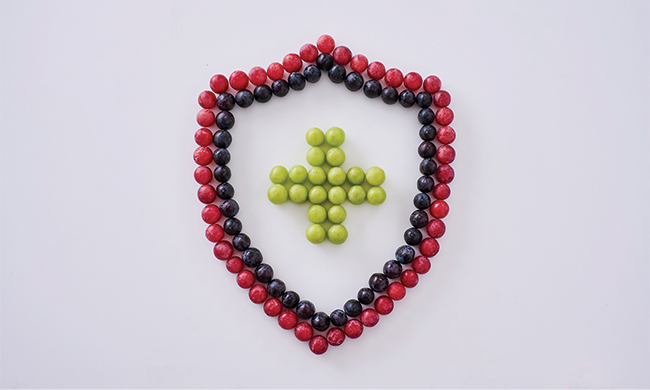
5 Habits to Boost Immunity During Cold and Flu Season
(Feature Impact) Your immune system is your strongest ally during cold and flu season, working hard to keep you healthy as you start hearing those telltale coughs and sneezes all around. Help your body do its job well by adopting a few simple habits that naturally support its ability to fight off germs or recover faster.
Talk to your healthcare provider for personalized advice then work on making these habits normal in your household.
Get Regular Exercise
Exercise is like a wonder drug that can improve nearly every aspect of health and wellness. Physical activity increases blood flow, reduces long-term inflammation, helps immune cells circulate through the body to guard against invaders and may even flush bacteria out of your lungs and airways. Plan to fit at least 150 minutes of moderate exercise into each week, like a bike ride, brisk walk, yoga class or on-demand video workout.
Eat Foods That Support Immune Health
To keep your immune system fueled, experts recommend eating a varied diet featuring plenty of fruits, vegetables, nuts, seeds, whole grains and healthy fats like olive oil. Consider adding fresh grapes to your diet to enjoy benefits from their naturally occurring plant compounds.
Protecting the body starts all the way down at the cellular level, and grapes contain powerful polyphenols that support the health and function of cells. Studies indicate certain compounds in grapes, like resveratrol and flavonoids, support immune system function as well as brain, skin, GI and heart health.
These little fruits are easy to add to your diet, whether you enjoy sweet, juicy Grapes from California by the handful or toss them in a blender to make this California Grape Wellness Juice recipe. Support multiple aspects of wellness with the drink’s powerful combination of fruits and vegetables, delivering a variety of immune-boosting vitamins, minerals and antioxidants.
Stay Hydrated
Drinking enough water helps clean your lymphatic system, which is responsible for producing special white blood cells that fight germs. It also keeps membranes in your nose and mouth moist, decreasing infection risk. If you struggle to drink enough, eating water-rich foods like grapes also helps you improve hydration.
Practice Good Germ Hygiene
To increase your odds of staying healthy during peak illness season, hearken back to the tried-and-true hygiene advice your parents might have tried to drill into your head as a kid. Regularly wash your hands with warm water and soap, avoid touching your face while out and about, keep your distance from symptomatic people and disinfect commonly used surfaces like doorknobs when someone in the house or office is sick.
Sleep More, Stress Less
Before you start feeling stressed that you aren’t getting enough sleep, rest assured there are easy changes you can make to support your well-being in both areas. Try switching up your nightly routine to be oriented less around screens and more around calming activities that actually help you wind down, like yoga, meditation or reading.
Discover more health information and recipes at GrapesFromCalifornia.com.
California Grape Wellness Juice
Servings: 3 (1 cup each)
- 5 cups black or red Grapes from California
- 1/2 cup peeled raw beet slices
- 3/4 cup orange juice
- 1/4 cup lemon juice
- 1 small carrot, peeled and sliced
- 1 piece fresh turmeric (1-inch), peeled and sliced or1 teaspoon ground turmeric
- In high-speed blender, puree grapes, beet slices, orange juice, lemon juice, carrot and turmeric until smooth.
- Pour through fine mesh sieve, stirring to extract as much juice as possible, about 3 cups. Stop when mixture starts to get thick. Enjoy immediately or cover and refrigerate until ready to serve.
Notes: This juice can also be added to iced tea or fizzy water.
Nutritional information per serving: 230 calories; 3 g protein; 58 g carbohydrates; 0.5 g fat (2% calories from fat); 0 g saturated fat (0% calories from saturated fat); 0 mg cholesterol; 35 mg sodium; 0 g fiber.

SOURCE:
California Table Grape Commission

Child Health
Changing the Landscape of Childhood Cancer Survivorship
Childhood Cancer: hile “cancer” is a term no family wants to hear, especially when it comes to their children, there is reason for hope. Today, 85% of children diagnosed with cancer survive at least five years. Survival is only part of the journey, however.

Changing the Landscape of Childhood Cancer Survivorship
(Feature Impact) While “cancer” is a term no family wants to hear, especially when it comes to their children, there is reason for hope. Today, 85% of children diagnosed with cancer survive at least five years, according to the National Cancer Institute, up from 75% three decades ago.
Watch this video to learn more
“This progress is driven in large part by dedicated research,” Hyundai Hope on Wheels Board Member Kevin Reilly said. “Over the last 28 years, Hyundai Hope on Wheels has committed over $300 million in pediatric cancer research and program grants, awarding more than 1,600 grants to 210 medical institutions nationwide, impacting thousands of young lives each year.”
Survival is only part of the journey, however. Nearly half (46%) of U.S. adults believe a child ringing the hospital bell after cancer treatment means the child is cancer-free and their medical journey is largely over, according to a survey conducted by Atomik Research on behalf of Hyundai Hope on Wheels. For the children and families living through a diagnosis, the reality is far more complex.
“The reality is that healing continues long after treatment, which is why sustained investment in survivorship care is a priority for us,” said John Guastaferro, executive director of Hyundai Hope on Wheels.
Isabella Franco-Capps, 11, understands that journey firsthand. Diagnosed with B-cell acute lymphoblastic leukemia at age 5, her journey took two years before she could say she’s “a cancer survivor.”
“I was diagnosed with b-cell acute lymphoblastic leukemia,” she said. “This began my two-year-long journey of scans, pokes, chemotherapy and hospital stays. And now I’m a cancer survivor.”
Fellow Hyundai Hope on Wheels National Youth Ambassador, Jackson Trihn, 12, is using his voice to call for continued research and to bring hope to others.
“The role … is being able to share my story,” he said. “Not just to spread awareness but to spread hope to kids that need it. And awareness is so important because people don’t understand how hard pediatric cancer can be.”
Continued progress can help ensure more children ring the bell and receive the care and support they need long after they’ve had the opportunity to do so. To learn more about these efforts and how you can help, visit HyundaiHopeOnWheels.org.

SOURCE:
💪 Your health journey starts here! Explore the latest health news, fitness tips, wellness trends, and healthy living advice. Share your thoughts in the comments and subscribe to the STM Daily News newsletter to stay informed and inspired every day.

(Feature Impact) Driven by rising rates of obesity, diabetes, high blood pressure and other risk factors,cardiovascular disease has surpassed cancer as the leading cause of death among Hispanic adults in the United States.
Hispanic people represent nearly 1 in 5 of the U.S. population and are the nation’s largest ethnic minority group, yet many continue to face barriers to achieving heart health and accessing high-quality healthcare. A new scientific statement published in the American Heart Association’s flagship journal, “Circulation,” revealed how social, economic, cultural and environmental factors contribute to persistent disparities in cardiovascular health, calling for culturally tailored prevention strategies, equitable access to care and greater representation of Hispanic populations in cardiovascular research.
“Hispanic populations in the U.S. are incredibly diverse even within their own communities with differences in genetic ancestry, language, cultural traditions and social experiences that can significantly influence cardiovascular health,” said Johanna Contreras, M.D., M.Sc., FAHA, director of the Division of Heart Failure and medical director of the Hispanic Heart Center within the Mount Sinai Health System. “Yet Hispanic people remain underrepresented overall in the research that guides prevention and treatment strategies… Without better representation and more detailed data, we risk overlooking important differences that can help us improve care and save lives.”
Hispanic Cardiovascular Health by the Numbers
Cardiovascular risk factors – obesity (nearly 46%), type 2 diabetes (15.5%) and high blood pressure (approximately 44%) – are prevalent among Hispanic adults and often emerge at younger ages and occur more frequently among Hispanic adults compared with white adults.
According to the report, only about 1 in 5 Hispanic adults achieves ideal cardiovascular health as defined by the American Heart Association’s original Life’s Simple 7 metrics. Updated analyses using the Life’s Essential 8 framework demonstrated persistent disparities for heart and brain health, as well as suboptimal dietary quality, sleep patterns and levels of physical activity.
Social and Economic Barriers Matter
Biology alone does not explain cardiovascular health disparities. The environments where people live, work and age, along with social and economic challenges, impact heart health. In fact, approximately 17% of Hispanics live below the federal poverty threshold, compared with 8.2% of white adults.
“Many Hispanic adults face obstacles that extend far beyond the doctor’s office,” Contreras said. “Limited health insurance coverage, language differences, food insecurity, environmental exposures and concerns related to immigration status can make it more difficult to prevent disease, manage chronic conditions and receive timely treatment.”
Contreras emphasized the cultural values and practices of Hispanic people also influence how they perceive their health and healthcare options.
“Family plays a central role in many Hispanic communities and can be an extraordinary source of strength, support and resilience,” Contreras said. “At the same time, family members are often called upon to translate medical information, navigate health systems and help make healthcare decisions for loved ones. Those responsibilities can shape how health information is understood and acted upon.”
An Action Plan for Improving Hispanic Health
There are practical opportunities to achieve equitable cardiovascular health and reduce disparities through community engagement, culturally responsive care, inclusive research and policies that address the underlying drivers of health.
“Reducing cardiovascular disease among Hispanic populations demands action at every level,” Contreras said, “from improving access to culturally responsive care and expanding research participation to addressing the social and environmental conditions that shape health.”
By addressing both medical risk factors and the social conditions that shape health, experts believe there is an important opportunity to reduce disparities and help more people live longer, healthier lives. Learn more at Heart.org.
Photo courtesy of Shutterstock

SOURCE:
Subscribe to our news letter STM Daily News





