

News
NASA Updates Coverage for Agency’s SpaceX Crew-6 Launch

Last Updated on March 1, 2023 by Daily News Staff
NASA and SpaceX are targeting no earlier than 12:34 a.m. EST Thursday, March 2, to launch the Crew-6 mission to the International Space Station. Liftoff of SpaceX’s Falcon 9 rocket and Dragon spacecraft will be from Launch Complex 39A at NASA’s Kennedy Space Center in Florida.
Live launch coverage will begin at 8:45 p.m., Wednesday, on NASA Television, the NASA app, and the agency’s website. Follow all events at:
Mission teams stood down from a Feb. 27 launch attempt to review an unusual data signature related to the ignition fluid, known as triethylaluminum triethylboron (TEA-TEB), used to start the Falcon 9’s first stage kerosene and liquid oxygen Merlin engines. SpaceX removed propellant from the Falcon 9 rocket and the crew safely exited the Dragon spacecraft.
After a thorough review of the data and ground system, both NASA and SpaceX teams identified a clogged filter on the ground as the cause. SpaceX teams replaced the filter, purged the TEA-TEB line with nitrogen, and verified the lines are clean and ready for the next launch attempt early Thursday morning.
The Crew-6 launch will carry two NASA astronauts, Mission Commander Stephen Bowen and Pilot Warren Hoburg, along with UAE (United Arab Emirates) astronaut Sultan Alneyadi, and Roscosmos cosmonaut Andrey Fedyaev, who will serve as mission specialists for a space station science expedition.
This is the sixth crew rotation mission using the SpaceX Dragon spacecraft on a Falcon 9 rocket to the orbiting laboratory as part of the agency’s Commercial Crew Program. This Dragon is named Endeavour.
The deadline has passed for media accreditation for in-person coverage of this launch. NASA’s media accreditation policy is available online. More information about media accreditation is available by emailing: ksc-media-accreditat@mail.nasa.gov.
NASA’s SpaceX Crew-6 mission coverage is as follows (all times Eastern and subject to change based on real-time operations):
Wednesday, March 1
8:45 p.m. – NASA TV launch coverage begins
Thursday, March 2
12:34 a.m. – Launch
Following conclusion of launch and ascent coverage, NASA coverage of the agency’s Crew-6 flight to the space station will continue with audio only, and full coverage resuming at the start of the arrival broadcast. Viewers may continue to listen to real-time audio between Crew-6 and flight controllers at NASA’s Mission Audio stream, which also includes conversations with astronauts aboard the space station and a live video feed from the orbiting laboratory.
2:30 a.m. (approximately) – Postlaunch news conference on NASA TV with the following participants:
- Kathy Lueders, associate administrator, Space Operations Mission Directorate, NASA Headquarters
- Steve Stich, manager, Commercial Crew Program, Kennedy
- Dina Contella, operations integration manager, International Space Station Program, NASA’s Johnson Space Center
- Benji Reed, senior director, Human Spaceflight Program, SpaceX
- Salem AlMarri, director general, Mohammed Bin Rashid Space Centre
Media may ask questions in-person and via phone. Limited auditorium space will be available for in-person participation. For the dial-in number and passcode, please contact the Kennedy newsroom no later than 12 a.m., Thursday, March 2, at: ksc-newsroom@mail.nasa.gov.
11:30 p.m. – NASA TV arrival coverage begins for docking
Friday, March 3
1:17 a.m. – Docking to the space-facing port of the station’s Harmony module
2:55 a.m. – Hatch Opening
3:40 a.m.– Welcome Ceremony
NASA TV launch coverage
NASA TV live coverage will begin at 8:45 p.m., Wednesday. For NASA TV downlink information, schedules, and links to streaming video, visit:
Audio only of the news conferences and launch coverage will be carried on the NASA “V” circuits, which may be accessed by dialing 321-867-1220, -1240 or -7135. On launch day, “mission audio,” countdown activities without NASA TV launch commentary, will be carried on 321-867-7135.
NASA website launch coverage
Launch day coverage of NASA’s SpaceX Crew-6 mission will be available on the agency’s website. Coverage will include live streaming and blog updates beginning no earlier than 8:45 p.m., Wednesday, March 1, as the countdown milestones occur. On-demand streaming video and photos of the launch will be available shortly after liftoff. For questions about countdown coverage, contact the Kennedy newsroom at 321-867-2468. Follow countdown coverage on our launch blog at:
https://blogs.nasa.gov/commercialcrew
Launch also will be available on local amateur VHF radio frequency 146.940 MHz and UHF radio frequency 444.925 MHz, FM mode, heard within Brevard County on the Space Coast.
Attend launch virtually
Members of the public may register to attend this launch virtually. NASA’s virtual guest program for this mission also includes curated launch resources, notifications about related opportunities or changes, and a stamp for the NASA virtual guest passport following a successful launch.
Watch, engage on social media
Let people know you’re following the mission on Twitter, Facebook, and Instagram by using the hashtags #Crew6 and #NASASocial. You can also stay connected by following and tagging these accounts:
Twitter: @NASA, @NASAKennedy, @NASASocial, @Space_Station, @ISS_Research, @ISS National Lab, @SpaceX, @Commercial_Crew
Facebook: NASA, NASAKennedy, ISS, ISS National Lab
Instagram: @NASA, @NASAKennedy, @ISS, @ISSNationalLab, @SpaceX
Did you know NASA has a Spanish section called NASA en Espanol? Make sure to check out NASA en Espanol on Twitter, Instagram, Facebook, and YouTube for more coverage on Crew-6.
Para obtener información sobre cobertura en español en el Centro Espacial Kennedy o si desea solicitar entrevistas en español, comuníquese con Antonia Jaramillo, 321-501-8425, antonia.jaramillobotero@nasa.gov.
NASA will provide a live video feed of Launch Complex 39A approximately 48 hours prior to the planned liftoff of the Crew-6 mission. Pending unlikely technical issues, the feed will be uninterrupted until the prelaunch broadcast begins on NASA TV, approximately four hours prior to launch.
Once the feed is live, you will find it here:
https://youtube.com/kscnewsroom
NASA’s Commercial Crew Program has delivered on its goal of safe, reliable, and cost-effective transportation to and from the International Space Station from the United States through a partnership with American private industry. This partnership is changing the arc of human spaceflight history by opening access to low-Earth orbit and the International Space Station to more people, more science, and more commercial opportunities. The space station remains the springboard to NASA’s next great leap in space exploration, including future missions to the Moon and, eventually, to Mars.
For NASA’s launch blog and more information about the mission, visit:
https://www.nasa.gov/commercialcrew
https://stmdailynews.com/category/science/


Business and Finance
Handshake Launches Free AI Skills Studio to Help Job Seekers Prepare for an AI-Driven Workplace
Handshake has launched AI Skills Studio, a free project-based learning hub designed to help students and job seekers develop practical AI skills and demonstrate what they can do to prospective employers.

As artificial intelligence becomes a bigger part of everyday work, knowing how to actually use AI tools may become just as important as knowing what they can do.
Career platform Handshake is betting on that shift with the launch of AI Skills Studio, a free learning hub designed to give students and job seekers practical experience using AI through short, hands-on projects.
Handshake’s AI Skills Studio aims to help job seekers build practical, hands-on AI experience as artificial intelligence becomes increasingly important across the workplace. Image: Rod Washington and Firefly.
Announced September 22, AI Skills Studio offers project-based learning “missions” that generally take between 10 and 45 minutes to complete. Instead of focusing primarily on lectures or traditional coursework, participants work directly with AI and technology tools to create something tangible.
Projects can include automated workflows, software, interactive games, data dashboards, portfolios, and tools aimed at preparing users for jobs in areas such as sales and marketing.
The program was developed with a broad group of technology companies and educational partners, including Clay, Figma, Gamma, Google, Lovable, Notion, OpenAI, Replit, Salesforce, Southern New Hampshire University and Vercel.
Turning AI knowledge into something employers can see
One of the more notable aspects of AI Skills Studio is its emphasis on demonstrating skills rather than simply listing them on a résumé.
After completing a mission, learners can add their projects to their Handshake profiles and potentially feature them in the platform’s AI Showcase. Participants also receive verified skill badges intended to provide employers with evidence that they have applied particular AI skills.
That approach reflects a growing challenge for both applicants and businesses: simply saying someone is familiar with artificial intelligence doesn’t necessarily show an employer what that person can accomplish with it.
“Employers know they need people who can work effectively with AI, but a résumé can’t tell you what someone is truly capable of,” Handshake Chief Operating Officer Jon Stull said in announcing the program.
For job seekers, that could make small AI projects increasingly useful as part of a professional portfolio, particularly for people entering the workforce without years of experience.
Students see AI skills becoming increasingly important
Handshake says its own research indicates that many students recognize the importance of AI but don’t necessarily believe their education has kept pace.
According to the company’s 2026 Network Trends Report, 58% of graduating seniors surveyed said they would need a stronger understanding of AI to succeed in the workplace. Only 28%, however, said AI had been meaningfully integrated into their educational programs.
Those figures come from Handshake’s own research, but they highlight a broader issue confronting workers, schools and businesses as generative AI moves rapidly into professional environments.
Julia Stiglitz, Handshake’s Chief Education and Workforce Officer, said people shouldn’t necessarily wait for the technology—or the workplace—to stop changing before beginning to develop AI skills.
“The best thing people can do is start learning and start building,” Stiglitz said.
Learning with tools used in the workplace
Rather than teaching AI only as a theoretical subject, the Studio is designed around tools people could encounter professionally.
OpenAI, for example, is participating with projects involving ChatGPT and Codex. Google is contributing training involving its AI tools and workflows, while other partners bring experience in areas ranging from software development and design to productivity and enterprise technology.
An AI Skills Instructor provides learners with guidance and feedback while they complete projects.
Handshake says connecting those projects directly to a career profile could also give employers another way to evaluate applicants—allowing recruiters to look at what candidates have actually built instead of relying entirely on degrees, résumés or self-reported skills.
AI could change what “experience” means
The development is especially interesting for students, career changers and early-career workers.
Traditionally, gaining experience has often created a familiar problem: employers want applicants with experience, while applicants need employment opportunities to acquire that experience.
Project-based AI training doesn’t eliminate that problem, and completing a short AI exercise isn’t the same as performing a job professionally. But projects can provide another way for someone to demonstrate curiosity, technical familiarity and the ability to apply new tools to a specific task.
As AI becomes embedded in more occupations, portfolios demonstrating how someone uses the technology could become an increasingly useful complement to conventional credentials.
That doesn’t mean everyone needs to become an AI engineer. The more immediate workplace skill may simply be understanding how to use AI effectively within an existing profession—whether that’s marketing, design, software development, sales, research or business operations.
Handshake’s new program is another indication that career preparation is beginning to adjust to that reality.
AI Skills Studio is available free through Handshake’s website and mobile app.
Source: Handshake press release, September 22, 2026. Statistics regarding graduating seniors and AI education are attributed to Handshake’s 2026 Network Trends Report.
Source and Related Links
Handshake — Introducing AI Skills Studio: AI Skills Studio launch and overview — Details the program, project-based missions, participating partners and how completed projects can be displayed to employers.
Handshake — What is AI Skills Studio?: AI Skills Studio Help Center — Official information on how the program works, eligibility, missions and access.
Handshake — Class of 2026 Graduation Report: AI and the Workforce Ahead — Supports the article’s statistics that 58% of graduating seniors say they need stronger AI skills while only 28% say AI has been meaningfully integrated into their academic program. Handshake
Handshake — Workforce Outlook: Class of 2026 in the AI Economy — Additional research on AI adoption, employer demand and attitudes toward AI among graduating students.
Stay informed. Stay curious. From business and technology to lifestyle, entertainment, transportation, science and the stories shaping everyday life, STM Daily News brings you news, insight and useful information that matters.
Discover more stories at STM Daily News: https://stmdailynews.com

Transportation
LAX SkyLink Delayed Again, With Passenger Service Now Targeted for January 2027
LAX SkyLink has been delayed again. The long-awaited airport train is now targeting passenger service in January 2027 as final testing and certification continue.

The long-awaited airport train is nearly complete, but additional testing and certification have pushed its anticipated debut beyond 2026.
LOS ANGELES — Travelers waiting for Los Angeles International Airport’s long-delayed SkyLink train will apparently have to wait a little longer.
The automated train system, previously expected to begin carrying passengers as early as October 2026, is now being targeted for early January 2027, according to new project disclosures.
LAX Integrated Express Solutions, or LINXS, the consortium responsible for the project, indicated in a September 16 disclosure that passenger service could begin around January 6, 2027, if remaining work proceeds successfully. However, LINXS also cautioned that additional delays remain possible.
Importantly, January 6 is not an official opening date announced by Los Angeles World Airports.
LAWA’s official SkyLink website currently says only that the system is in its “final testing and certification phase”and that opening information will be announced when available.
What Happened to the October Opening?
As STM Daily News previously reported, the project had been moving toward a possible October 2026 passenger-service launch.
That timetable has now slipped.
According to the latest project information, SkyLink still must successfully complete several important requirements before passengers can board.
Those include 30 consecutive days of successful testing, an independent review, an assessment by LAWA and completion of a utility agreement involving the Los Angeles Department of Water and Power.
The project’s contractual completion deadline currently stands at December 8, 2026, but LINXS has indicated that additional time may be necessary.
That puts the tentative January 6 passenger-service target roughly one month beyond the current contractual completion deadline.
Those Trains You See Are Still Test Trains
For passengers traveling through LAX, the delay might seem particularly puzzling because SkyLink trains can already be seen moving around the airport.
Those trains aren’t carrying passengers.
LAX says the vehicles are operating throughout the system as part of testing required before passenger service can begin.
The airport’s official SkyLink page specifically warns travelers that any trains currently moving are part of testing and are not in service.
The project is reportedly about 99% complete, meaning the primary infrastructure is essentially in place while testing, certification and remaining agreements continue.
Another Delay in a Long-Running Project
Construction on the 2.25-mile automated train system began in 2019, and passenger service was originally expected to begin in 2023.
That opening has repeatedly slipped as the approximately $3.3 billion project encountered construction issues, technical challenges and disputes between LAWA and LINXS.
The relationship between the two sides has also become increasingly contentious.
LINXS sued the City of Los Angeles earlier this year, alleging that actions by LAWA contributed to delays and additional costs. LAWA has said completing a safe and reliable SkyLink remains its priority.
The financial stakes are also increasing. Bondholders recently agreed to consolidate an earlier October deadline into the December 8 project deadline, giving the consortium additional time to complete the remaining work.
Why SkyLink Still Matters
Despite the delays, SkyLink remains one of the most consequential pieces of LAX’s massive modernization program.
The free, all-electric automated train will operate along a 2.25-mile elevated guideway with six stations.
Three stations will serve the airport’s Central Terminal Area, while others will connect passengers with parking, rental cars, ground transportation and the LAX/Metro Transit Center.
That last connection is especially significant.
The Transit Center provides access to Metro’s C and K Lines. Until SkyLink opens, however, passengers using Metro must continue transferring to shuttle buses to reach the airport terminals.
Once operational, SkyLink is designed to eliminate that final shuttle connection.
LAX says the train will operate 24 hours a day, with trains approximately every two minutes during peak periods. The trip from one end of the system to the other is expected to take about 10 minutes, and passengers won’t need a ticket, fare or app to ride.
Could SkyLink Be Running Before the Super Bowl?
The January target carries added significance because Super Bowl LXI is scheduled for February 14, 2027, at SoFi Stadium.
If SkyLink begins passenger operations around January 6, the system would have just over a month of regular service before another major international influx of visitors arrives in Los Angeles.
But after several missed opening targets, January 6 should be viewed as just that — a target.
LINXS itself has warned that there is no assurance passenger service won’t be delayed further.
LAWA, meanwhile, says it will not compromise the testing necessary to ensure the automated system operates safely and reliably.
The Finish Line Moves Again
For LAX travelers, SkyLink has become a familiar sight: sleek automated trains moving above airport traffic but carrying nobody.
The latest delay doesn’t change the project’s ultimate purpose. When SkyLink finally opens, travelers will have a direct connection between LAX terminals, Metro rail, rental cars, parking and other ground transportation without relying on many of the shuttle buses currently circulating through the airport.
But the project’s history also offers a reason for caution.
October 2026 is effectively off the table. January 6, 2027 is now the contractor’s target. And LAWA has yet to announce an official opening date.
After a project originally expected to welcome passengers in 2023, perhaps the most important milestone will be the simplest one:
The day LAX finally removes the word “testing” from those trains.
STM Daily News will continue following the LAX SkyLink project and will provide an update when Los Angeles World Airports announces an official passenger-service date.
Source & Further Information
For current official information, visit the LAX SkyLink project page.
For more updates, subscribe to our newsletter STM Morning Brief!

5 Ways to Make a Difference in Your Community
(Feature Impact) Communities are strengthened every day by local organizations working to address challenges close to home, whether that’s helping families access food, supporting students, expanding opportunity or providing essential resources to those who need them most. Often operating with limited resources, these organizations are finding practical solutions that make a meaningful difference in neighborhoods and communities across the country.
Many of these efforts happen quietly, powered by people who volunteer their time, share their expertise, donate resources or simply help spread awareness of causes they care about.
For individuals looking to make a difference where they live, community involvement doesn’t have to start with a large commitment. Consider these five options to get involved.
Give Your Time
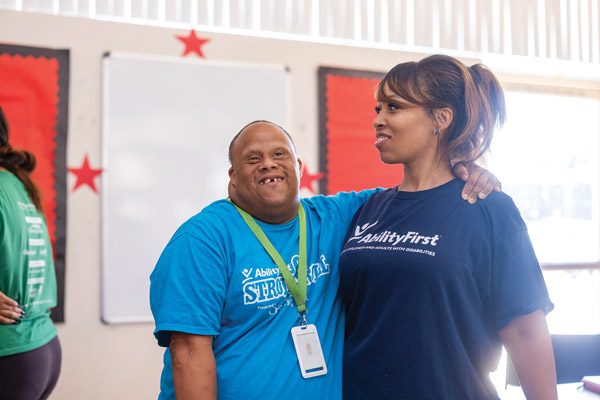
Giving your time is one of the most direct ways to support organizations serving your community. Whether it’s packing meals, mentoring young people or participating in neighborhood cleanups, volunteering allows people to contribute directly while gaining a deeper understanding of local needs.
 Share Your Skills
Nonprofits often need specialized skills in addition to hands-on volunteer support. Communications support, technology expertise, event planning, photography, financial guidance and other professional skills can help organizations expand their reach and strengthen their operations. Contributing the skills you’ve developed can often be just as valuable as donating time or resources.
Tap Into Your Workplace
Many employers offer opportunities to support causes that matter to their employees, such as volunteer programs, community grants or other charitable opportunities.
In communities across the country, local nonprofits can receive support through programs like the PepsiCo Foundation’s Community Impact Awards, where employees can nominate nonprofit organizations in their local communities for grant funding. Since 2022, the program has invested more than $3.7 million into organizations working on issues ranging from food access to education and community development.
“Across North America, there are organizations showing up every day for their communities, often without recognition and with limited resources,” said Monica Bauer, SVP of social impact, PepsiCo and president of the PepsiCo Foundation. “The Community Impact Awards help shine a light on organizations that are creating opportunities, solving local challenges and making a real difference in people’s lives. What makes this program special is that the recognition comes from PepsiCo associates who know these organizations firsthand and have seen their impact up close.”
This year, 100 organizations across the U.S. and Canada received $500,000 total in grants and teamed up with their respective nominating employees for volunteer activities supporting their missions, giving employees another opportunity to engage directly.
Give What You Can
Financial contributions are a valuable way to give back, but they aren’t the only option. Many organizations need non-monetary donations such as school supplies, canned goods, clothing, toys and technology. Before collecting items, check with organizations to learn what is most needed and how contributions can make the greatest impact.
Use Your Voice
One person can make a difference. When that person gets a friend or family member involved, more people can discover and support organizations doing important work. Sharing a nonprofit’s mission on social media, inviting others to volunteer or connecting people with causes you care about can help organizations reach new supporters and expand their impact.
Making a difference doesn’t require doing everything at once. Whether you contribute your time, skills, resources or advocacy, small actions can help make a big impact over time.
Across the U.S., nonprofit organizations are helping improve lives, create opportunities and respond to community needs every day. Their work is a reminder that meaningful change often starts locally with people willing to get involved.
Learn more about how individuals and organizations can help address some of the most pressing needs in their communities by visiting PepsiCo.com/about/social-impact.
SOURCE:
PepsiCo





