

Food and Beverage
CHIPOTLE CELEBRATES THE 2023 STANLEY CUP® PLAYOFFS WITH HOCKEY JERSEY BOGO OFFER IN THE U.S. AND CANADA

- Hockey fans can score a BUY-ONE-GET-ONE (BOGO) deal at participating restaurants on May 23
NEWPORT BEACH, Calif. /PRNewswire/ — Chipotle Mexican Grill (NYSE: CMG) announced today a “Wear Your Hockey Jersey” program that will offer a BUY-ONE-GET-ONE (BOGO) deal on entrees to in-restaurant diners wearing a hockey jersey on Tuesday, May 23 after 3pm local time. The promotion is valid at all participating restaurants in the U.S. and Canada.
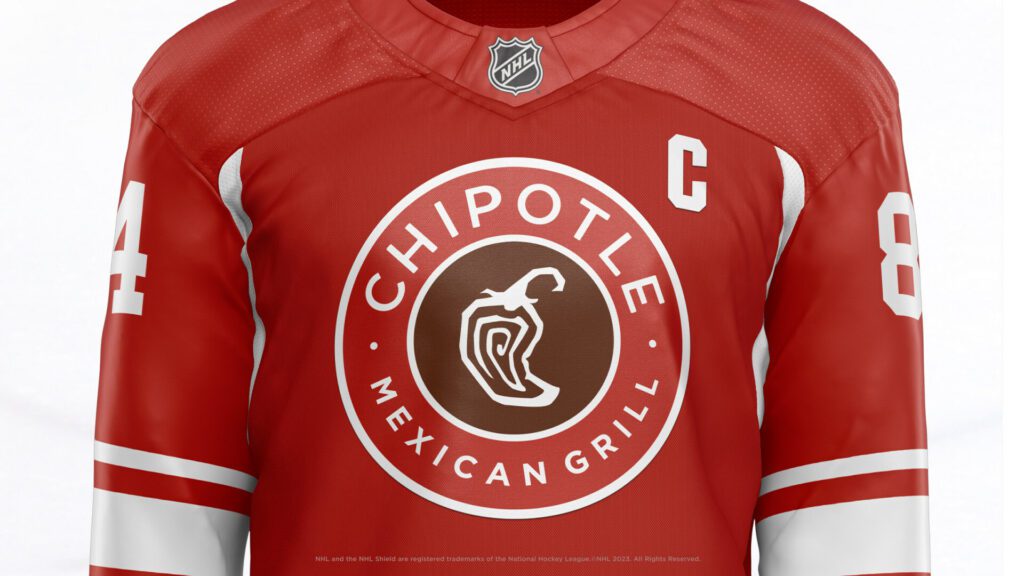
“Our Hockey Jersey BOGO offer will help celebrate one of the most thrilling postseasons in all of sports,” said Chris Brandt, Chief Marketing Officer at Chipotle. “As a longtime favorite among the hockey community, Chipotle continues to serve up real food to fans and athletes alike on their collective mission to have their teams hoist the Stanley Cup®.”
In November of 2021, Chipotle announced its multi-year North American partnership to become the official Mexican-themed quick service and Mexican-themed fast-casual restaurant of the NHL. Chipotle’s partnership with the NHL is the brand’s largest sports sponsorship to date. The Chipotle logo will be featured in a corner in-ice brand position for every game during the Stanley Cup® Playoffs throughout the partnership.
Since 2018, Chipotle has been the title sponsor of the Chipotle USA Hockey Youth National Championships and supported men’s and women’s U.S. National Teams, including the National Junior Team who features the Chipotle logo on their uniforms and helmets in international competition.
The BUY-ONE-GET-ONE (BOGO) promotion is limited to five free menu items per check and is subject to availability. Each free item requires purchase of an entrée item of equal or greater value and may be collected only by the jersey-wearing customer. Valid only on May 23, 2023, after 3:00PM local time. Redeemable in-restaurant only, at participating U.S. and Canada Chipotle locations; not valid for catering, mobile, online or delivery orders. Kids’ meals do not count as an entrée purchase. Purchased entrées are eligible for Chipotle Rewards points; the promotion may not otherwise be combined with other coupons, promotions, or special offers. Additional restrictions may apply; void where prohibited.
ABOUT CHIPOTLE
Chipotle Mexican Grill, Inc. (NYSE: CMG) is cultivating a better world by serving responsibly sourced, classically-cooked, real food with wholesome ingredients without artificial colors, flavors or preservatives. Chipotle had over 3,200 restaurants as of March 31, 2023, in the United States, Canada, the United Kingdom, France and Germany and is the only restaurant company of its size that owns and operates all its restaurants. Chipotle is ranked on the Fortune 500 and is recognized on the 2023 list for Fortune’s Most Admired Companies. With over 100,000 employees passionate about providing a great guest experience, Chipotle is a longtime leader and innovator in the food industry. Chipotle is committed to making its food more accessible to everyone while continuing to be a brand with a demonstrated purpose as it leads the way in digital, technology and sustainable business practices. For more information or to place an order online, visit WWW.CHIPOTLE.COM.
SOURCE Chipotle Mexican Grill, Inc.
Author


Food and Beverage
Manage Busy Spring Schedules with Simple, Nutritious Bowls
To manage busy spring schedules, prepare simple, nutritious bowls at home instead of relying on takeout. Recipes like Chicken and Rice Bowls with Peanut Sauce and Greek-Inspired Power Bowls are quick, customizable, and packed with flavors. Visit DudaFresh.com for more healthy recipes that fit your family’s tastes.
Last Updated on April 10, 2026 by Daily News Staff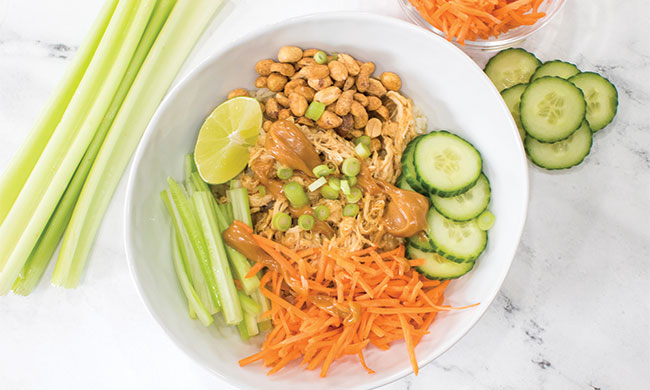
Manage Busy Spring Schedules with Simple, Nutritious Bowls
(Feature Impact) When jam-packed calendars and seemingly constant takeout orders get you down, diving into a fresh way to rethink homecooked meals can get you and your loved ones into a better-for-you routine.
Close your favorite food delivery app and instead break out the bowls for simple yet nutritious recipes that are equal parts filling and fresh. Easily prepped ahead of time, dishes like Chicken and Rice Bowls with Peanut Sauce provide powerful protein and flavor without the hassle. For added pizzazz, drizzle with extra peanut sauce and squeeze a dash of lime juice.
Or put a tangy twist on a traditional chicken bowl with these Greek-Inspired Power Bowls featuring homemade tzatziki made with Dandy Celery, a naturally sweeter, crispier and less stringy alternative to other celeries. Celebrating its 100th anniversary, it delivers the ultimate snack time (or dinner) crunch and flavor, offering a satisfying complement to sliced chicken, mixed greens, whole-grain quinoa and Kalamata olives.
An added bowl-inspired bonus: These family-friendly recipes can be personalized for taste preferences so no one goes hungry.
Rethink your family’s menu with more quick, nutritious recipes to alleviate the stress of hectic schedules by visiting DudaFresh.com.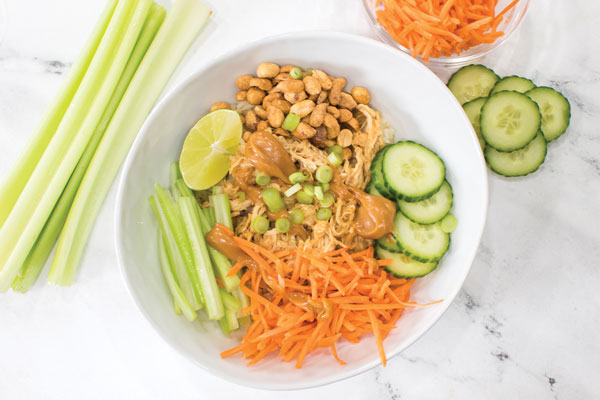
Chicken and Rice Bowls with Peanut Sauce
Recipe courtesy of The Produce Moms
Prep time: 7 minutes
Cook time: 5 minutes
Servings: 2
Creamy Peanut Sauce:
- 1 1/2 tablespoons soy sauce
- 1 tablespoon freshly squeezed lime juice
- 2 teaspoons rice vinegar
- 1 teaspoon honey
- 1/4 cup creamy peanut butter
- 1 tablespoon toasted sesame oil
Bowls:
- 1 tablespoon olive oil
- 1 cup cooked, shredded chicken
- 1 cup cooked brown or jasmine rice
- 1 cup Dandy celery, julienned
- 1 cup shredded carrot
- 1/2 medium English cucumber, thinly sliced
- 1/4 cup unsalted roasted peanuts, coarsely chopped
- lime wedges, for serving
- To prepare peanut sauce: In small bowl, whisk soy sauce, lime juice, rice vinegar and honey. Add peanut butter and sesame oil. Whisk vigorously until sauce is completely smooth and creamy. Set aside.
- To prepare bowls: In nonstick 12-inch skillet over medium-high heat, heat olive oil until simmering. Add shredded chicken and about 3 tablespoons peanut sauce. Stir constantly to coat chicken and heat through, about 3 minutes. Remove from heat and set aside.
- To assemble rice bowls: In deep serving bowls, add cooked rice. Top with warm chicken covered in peanut sauce. Arrange celery, carrot and cucumber around chicken. Top with peanuts.
- Drizzle remaining peanut sauce over bowls. Serve with lime wedges to squeeze over bowls.
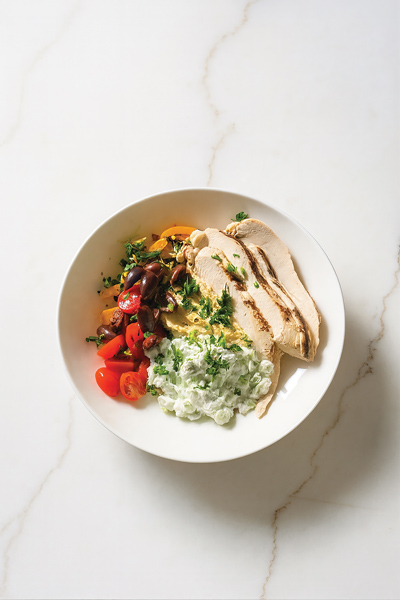
Greek-Inspired Power Bowls
Recipe courtesy of Anastasiia de la Cruz
Prep time: 20 minutes
Cook time: 15 minutes
Servings: 2
Celery Tzatziki:
- 1 cup plain, full-fat Greek yogurt
- 1/2 cup finely chopped Dandy celery
- 1 tablespoon extra-virgin olive oil
- 1 tablespoon fresh lemon juice
- 1 small garlic clove, finely grated
- 2 tablespoons chopped walnuts (optional)
- salt, to taste
- pepper, to taste
Bowls:
- 2 cups mixed greens
- 1 1/3 cups cooked, gluten-free, whole-grain quinoa
- 2 large grilled chicken breasts (about 6 ounces each), sliced
- 1/2 cup hummus
- 1/4 cup Kalamata olives, halved
- 1 tablespoon extra-virgin olive oil, for drizzling
- fresh herbs, for garnish
- To make celery tzatziki: Mix yogurt, celery, olive oil, lemon juice, garlic and walnuts, if desired. Season with salt and pepper, to taste. Stir well. Chill.
- To assemble bowls: In two bowls, layer greens and cooked quinoa evenly. Top with grilled chicken.
- Spoon 1/4 cup hummus on side of each bowl. Add olives, 2-3 tablespoons tzatziki and drizzle with olive oil.
- Sprinkle with fresh herbs.
<img src="https://ssl.google-analytics.com/collect?v=1&tid=UA-482330-7&cid=1955551e-1975-5e52-0cdb-8516071094cd&sc=start&t=pageview&dl=http%3A%2F%2Ftrack.familyfeatures.com%2F17834%2F10247&dt=MANAGE-BUSY-SPRING-SCHEDULES-WITH-SIMPLE-NUTRITIOUS-BOWLS" />
<img src="https://erp.featureimpact.com/api/v1/tracking/17834/10247/track.gif" />SOURCE:
Economy
Feeding the Economy Report Says U.S. Food, Agriculture Add $10.4 Trillion
The 2026 Feeding the Economy report says U.S. food and agriculture industries generate $10.4 trillion in economic value and support 48.7 million jobs.

New Feeding the Economy Report Highlights Food, Agriculture Industry Strength
America’s food and agriculture industries generated more than $10.4 trillion in economic value in 2026, accounting for nearly 20% of the U.S. economy, according to the 10th annual Feeding the Economy report released by 35 food and agriculture groups. The new farm-to-fork study also found the sector supports 48.7 million jobs nationwide, including 24.3 million direct jobs across farming, food manufacturing, processing, distribution, retail, and foodservice.
The report points to continued resilience despite inflation, trade uncertainty, and ongoing pressure on farmers and producers. It found food and agriculture generate more than $3 trillion in wages and $1.35 trillion in tax revenue, while U.S. exports totaled $177.3 billion. At the same time, the study flagged softer areas to watch, including flat direct employment in production agriculture and food manufacturing, along with a year-over-year decline in exports. For the food and beverage industry, the report reinforces just how deeply agriculture remains tied to jobs, supply chains, and broader economic stability.
Source:
Tenth Annual “Feeding the Economy” Report Demonstrates Strength and Resilience of the American Food and Agriculture Industries Amid Ongoing Economic Pressures — Feeding the Economy via PR Newswire
Further information:
Feeding the Economy
View the original press release on PR Newswire
STM Daily News is a vibrant news blog dedicated to sharing the brighter side of human experiences. Emphasizing positive, uplifting stories, the site focuses on delivering inspiring, informative, and well-researched content. With a commitment to accurate, fair, and responsible journalism, STM Daily News aims to foster a community of readers passionate about positive change and engaged in meaningful conversations. Join the movement and explore stories that celebrate the positive impacts shaping our world.
Foodie News
Fresh Brothers Pizza Launches U.S. Franchise Expansion
California-based Fresh Brothers Pizza has launched franchise expansion plans, targeting new U.S. markets with support from Craveworthy Brands.


California’s Fresh Brothers Pizza Opens Franchise Opportunities Nationwide
Fresh Brothers Pizza is taking its next step beyond Southern California, opening franchise opportunities nationwide with backing from Craveworthy Brands. For Foodie News readers, the story is less about another pizza chain expanding and more about how a California-born concept is trying to stand out in one of America’s most crowded food categories: by leaning hard into ingredient quality, hospitality, and menu flexibility.
Founded in Los Angeles in 2008 by Scott Goldberg and his family, Fresh Brothers has grown to more than 20 locations across California. The brand says its appeal starts with handmade dough produced daily, vine-ripened tomato sauce, 100 percent pure mozzarella, and a menu that goes beyond pizza to include salads, baked wings, knots, sliders, pastas, and sandwiches. It also built an early reputation for inclusive options, offering vegan, vegetarian, and gluten-free choices at a time when many pizzerias were slower to adapt. That positioning helped Fresh Brothers earn a spot on Pizza Marketplace’s 2026 “Top 100 Movers & Shakers” list.
Now, with operational support from Craveworthy Brands, Fresh Brothers is targeting growth markets including Arizona, Florida, Georgia, Nevada, and Texas. According to the company, franchisees will receive support in real estate, training, supply chain, marketing, technology, and operations. The brand is also showcasing its model at the 2026 International Pizza Expo and Conference in Las Vegas from March 24 to 26. For restaurant watchers, this is one to keep an eye on: Fresh Brothers is betting that a quality-first, Midwest-style pizza concept can travel well beyond its California base.
Source:
Fresh Brothers Bakes Franchise Opportunity, Bringing a Fresh Take on America’s Favorite Food Across The U.S. — Craveworthy Brands via PR Newswire
Further information:
Fresh Brothers Pizza
Craveworthy Brands
At our core, we at STM Daily News, strive to keep you informed and inspired with the freshest content on all things food and beverage. From mouthwatering recipes to intriguing articles, we’re here to satisfy your appetite for culinary knowledge.
Visit our Food & Drink section to get the latest on Foodie News and recipes, offering a delightful blend of culinary inspiration and gastronomic trends to elevate your dining experience. https://stmdailynews.com/food-and-drink/





