

Lifestyle
Cinco formas en que se puede mejorar la atención de la salud cardíaca

Last Updated on November 8, 2024 by Daily News Staff
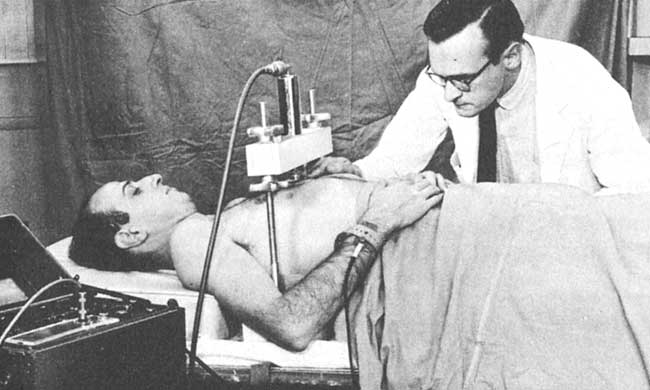
(Family Features) Antes de la llegada de los antibióticos, las enfermedades infecciosas, como la neumonía, la tuberculosis y la difteria, eran las causas de muerte más comunes en el mundo industrializado. Hoy en día, la enfermedad cardíaca es la principal causa de muerte en los Estados Unidos y lo ha sido desde 1921, según los Centros para el Control y la Prevención de Enfermedades.
Sin embargo, más de la mitad de las personas en los EE. UU. (51%) no son conscientes de ese hecho, según una encuesta de Harris Poll realizada en nombre de la Asociación Estadounidense del Corazón. Es más, casi la mitad de todas las personas en los EE. UU. (48,6 %) tienen algún tipo de enfermedad cardiovascular (ECV), incluida enfermedad coronaria, insuficiencia cardíaca, ataques cerebrales o, más notablemente, presión arterial alta, según la actualización estadística anual, “Estadísticas de enfermedades cardíacas y ataques cerebrales de 2024: un informe de datos estadounidenses y globales de la American Heart Association”, publicado en “Circulation”.
“Las enfermedades cardíacas, junto con los ataques cerebrals, que son la quinta causa de muerte, cobran más vidas en los EE. UU. que todas las formas de cáncer y enfermedades crónicas de las vías respiratorias inferiores combinadas, según los datos más recientes disponibles”, dijo Joseph C. Wu, M.D., Ph.D., FAHA, presidente voluntario de la American Heart Association director del Instituto Cardiovascular de Stanford y profesor Simon H. Stertzer de Medicina y Radiología en la Facultad de Medicina de Stanford. “Descubrir que la mayoría de la gente no conoce el impacto significativo de las enfermedades cardíacas es desalentador e incluso un poco aterrador”.
Si bien las tasas de mortalidad por enfermedades cardiovasculares han disminuido un 60% desde 1950 y el número de personas en los EE. UU. que mueren por un ataque cardíaco ha disminuido de 1 de cada 2 en los años 50 a aproximadamente 1 de cada 8 en la actualidad, aún persisten desafíos.
En 2024, con Bold Hearts, la celebración del centenario de la American Heart Association, la organización celebra 100 años de progreso e identificó varias cuestiones que deben abordarse para que el próximo siglo de trabajo para salvar vidas sea tan impactante como los primeros 100 años:
- Se debe mejorar la alfabetización científica para aumentar el conocimiento y la comprensión del público sobre los métodos y la interpretación de los datos científicos.
- Se necesitan enfoques no tradicionales de atención de salud para abordar los determinantes sociales y estructurales de la salud, trasladando rápidamente enfoques basados en evidencia a las comunidades para abordar la inseguridad alimentaria, los problemas de transporte, la educación, la vivienda, el acceso a la atención, el estrés psicosocial crónico y otros problemas sociales. necesidades.
- La interconexión de los sistemas de órganos, los mecanismos de las enfermedades y las etapas de la vida son fundamentales para comprender el papel que desempeña la salud cardiovascular en la salud general.
- La valoración de los sistemas de atención será importante para lograr beneficios clínicos significativos. Depender de médicos individuales puede no ser realista en el manejo de enfermedades que involucran múltiples sistemas de órganos, como enfermedades cardiovasculares, renales y metabólicas o trastornos que afectan al corazón, el cerebro y la mente simultáneamente.
- Más financiación para la investigación es una necesidad crítica debido al ritmo de los avances científicos. En el próximo siglo, los experimentos de laboratorio pueden exigir equipos más sofisticados, la ciencia traslacional incorporará nuevas tecnologías costosas como la inteligencia artificial y la salud de la población requerirá mayor potencia informática y tamaños de muestra más grandes.
“Hay mucho que aprender de este cambio histórico en la reducción de muertes por enfermedades infecciosas y la prevalencia actual de muertes por enfermedades cardiovasculares”, afirmó Wu. “Gracias a la investigación científica, los avances tecnológicos y las políticas de salud pública, la mayoría de estas enfermedades infecciosas se han controlado y muchas han sido erradicadas o casi lo están. A medida que aplicamos estos mismos métodos clínicos y epidemiológicos a la esperanzadora erradicación de las enfermedades cardíacas y los ataques cerebrales, la Asociación Estadounidense del Corazón está logrando grandes avances. Aunque todavía mueren demasiadas personas cada año, muchas viven vidas más largas y productivas mientras controlan sus enfermedades cardiovasculares y sus factores de riesgo”.
Para obtener más información, visite heart.org/centennial.
SOURCE:
American Heart Association



(Feature Impact) Menopause is a phase of life every woman knows will come eventually yet few are truly prepared for. Beyond stereotypical symptoms like hot flashes and mood swings, the other realities of menopause can be mysterious, taking women by surprise when their experiences differ from expectations.
Rather than being a single event, menopause involves a gradual transition that happens as estrogen production changes – meaning symptoms can appear and evolve unpredictably. According to a survey commissioned by the National Menopause Foundation, 63% of U.S. women ages 35-54 experienced symptoms they believed may be related to perimenopause or menopause, yet nearly half (49%) said they weren’t prepared for the changes beforehand.
When women and their loved ones understand what they’re facing, they can approach this time with patience and compassion, which can make a real difference to the 71% of women who wished the people in their lives understood more about perimenopause or menopause. Consider these five facts to help fill in the menopause knowledge gap.
Perimenopause Can Start Years Before Menopause
The physiological transition to menopause can happen up to 10 years before a woman’s final menstrual period, although the average length of perimenopause is about four years. Symptoms may quietly begin in a woman’s 30s, 40s or 50s, and what might look like an isolated problem at first – like brain fog, a night of insomnia or an irregular monthly cycle – could be connected to broader hormonal changes.
Menopause Is More Than Just “Hot Flashes”
Since more than half of women surveyed were already aware of menopause symptoms like hot flashes, mood changes, anxiety and fatigue, these may not take them by surprise. Little-known symptoms are a different story – the majority of respondents didn’t anticipate menopausal issues like rage, inner-ear itching or reduced joint mobility. According to the National Menopause Foundation, women may also experience sleep disturbances, sweating, changes in libido, vaginal dryness, incontinence, weight changes and more.
Every woman’s experience is unique, so these symptoms could present in different combinations and intensities during menopausal years or may not appear at all.
Talking About Menopause Can Be Difficult
Even as women go through these physical and emotional shifts, many struggle to open up about their experiences. In fact, women rank menopause symptoms (17%) more difficult to discuss than hot-button topics like political views (13%), weight (13%) and religious beliefs (10%).
However, suffering in silence can lead to feelings of isolation, relationship misunderstandings and hesitation to seek help, which is why 66% of women said the lack of open discussion about menopause makes the experience worse.
Menopause Isn’t All Bad News
Although this season of life comes with challenges, there are joys to embrace as well. Women navigating midlife can come out the other side with more resilience, emotional awareness and a stronger sense of self. In fact, 44% of women surveyed said their outlook on life became more positive since their transition.
What Loved Ones Can Actually Do
Menopause is a highly individual experience, but that doesn’t mean women have to navigate it alone. Support from partners, families and friends can lift women up during difficult moments, and it can be as simple as taking the time to ask questions, listen and learn about how menopause is affecting their lives. With 30% of women in the U.S. labor force – approximately 15-16 million – in the age range corresponding to menopausal transition (ages 45-60), workplaces can also take steps to become more menopause friendly.
For more resources to help understand symptoms and discuss the transition with loved ones, visit nationalmenopausefoundation.org.
Photo courtesy of Shutterstock

SOURCE:
home gardening
Beyond the Leaf Pile: 4 Tips for Autumn Lawn Care
4 Tips for Autumn Lawn Care: Many people associate fall yardwork with raking up the crispy, colorful leaves that have drifted down from surrounding trees. Don’t let that be the only task on your outdoor agenda, however, because this season is also an opportunity to improve the overall health of your lawn so it’s ready to thrive once spring arrives.
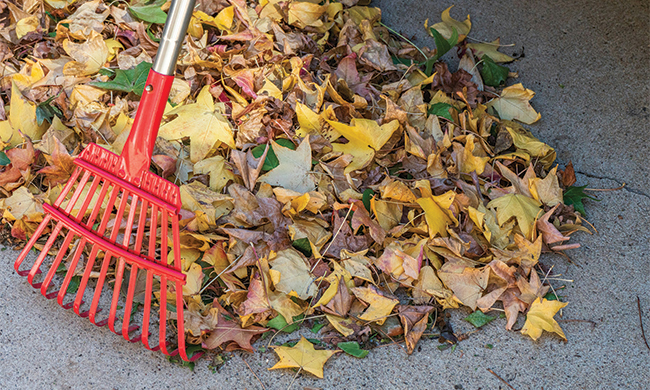
Beyond the Leaf Pile: 4 Tips for Autumn Lawn Care
(Feature Impact) Many people associate fall yardwork with raking up the crispy, colorful leaves that have drifted down from surrounding trees. Don’t let that be the only task on your outdoor agenda, however, because this season is also an opportunity to improve the overall health of your lawn so it’s ready to thrive once spring arrives.
Start with these autumn lawn care tips:
- Continue Mowing
As long as the grass keeps growing, homeowners should keep mowing – with a couple of smart seasonal adjustments. First, lower the mower height for your final two cuts so the grass isn’t too tall going into winter. Second, instead of raking all the leaves up beforehand, think about leaving a layer on the lawn so the mower can shred them and effectively turn them into mulch, returning their nutrients to the soil.
- Fertilize the Lawn
Especially if you grow cool-weather grass varieties like rye or fescue, feeding your lawn can actually be most effective in the fall. Fertilizer helps nourish the roots of your grass, strengthening it through the winter and preparing it to grow lush and green in the spring and summer. Aim to feed it once in the beginning of the season then again 6-8 weeks later or according to the recommended schedule for your region.
- Battle Stubborn Weeds
If you’ve been dealing with perennial weeds throughout the summer, fall could mean your chance to get rid of them once and for all. Weeds absorb herbicides readily on days with moderate temperatures and moist soil, so this task might be well-timed after some autumn rain has fallen.
- Add Grass Seed to Thin Spots
Whether you have bare patches on your lawn or areas of thinning grass, fall is the best time to seed cool-season lawns. (Skip this tip if you live in the South and have a warm-season lawn.) At least six weeks before the first hard frost in your area, spread grass seed over the areas you want to replenish or thicken then keep the lawn consistently watered until it germinates. Aerating the soil first can help the seed take root.
Find more seasonal home and garden tips by visiting eLivingtoday.com.
Photo courtesy of Unsplash
SOURCE:
Lifestyle
7 Fire Prevention Tips to Protect Your Home and Community
7 Fire Prevention Tips: Fires can be devastating, but many of them are preventable with simple precautions and smart everyday choices. Consider these tips to reduce the risk of fires and keep your household, family and community safe.
7 Fire Prevention Tips to Protect Your Home and Community
(Feature Impact) In observance of National Fire Prevention Month, it’s a good time to review your fire safety habits at home and in your neighborhood. Fires can be devastating, but many of them are preventable with simple precautions and smart everyday choices.
Consider these tips to reduce the risk of fires and keep your household, family and community safe.
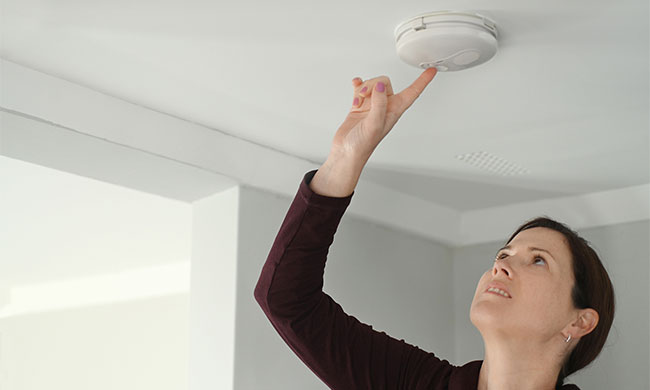
Test Your Smoke Alarms
Smoke detectors are one of the simplest yet most important tools for protecting your home, loudly alerting you to potential danger at any time of the day or night. Test them monthly, follow manufacturer’s instructions for replacement and change batteries as needed.
Heat Your Home Safely
Depending on how you heat your home, there can be different hazards to remain aware of. Never leave fireplaces unattended when in use and have them inspected and maintained as recommended by a trained professional. If you use portable heaters, keep them at least three feet away from curtains, bedding, furniture and other flammable materials.
Prevent Electrical Fires
Frayed cords, damaged outlets or overloaded appliances can pose real danger to your home when they overheat or spark. Particularly if you live in an older home or have outdated appliances, keep an eye out for warning signs like tripped circuit breakers, malfunctioning devices or the smell of burning. If you’re concerned, have your system inspected by a qualified electrician.
Store Flammable Objects Carefully
Keeping matches and lighters out of reach of children is always a smart first step for household fire safety. Also follow safe storage practices for items like lighter fluid, propane, aerosol cans and other household products that could potentially ignite when exposed to heat or a stray spark.
Practice Smart Kitchen and Grill Habits
From sparks flying off the grill to hot oil forgotten in the frying pan, cooking is the leading cause of household fires. Stay attentive in the kitchen, never leave cooking food unattended and avoid setting combustible materials like paper plates or fabric towels too close to a stove or grill. Also keep your appliances cleaned and well-maintained.
Plan Your Escape Route
Fires can spread quickly, which is why it’s important for everyone in your household to know the plan (and backup plan) for safely exiting different areas of the house during an emergency. Decide on a specific meeting place outside and practice quick fire drills together to build muscle memory.
Observe Local Fire Safety Rules
Where you live determines what kinds of fire risks affect your community, so make sure you stay informed about local regulations. For instance, areas prone to drought or wildfire may have rules about outdoor burning, and local fire prevention ordinances may outline specific requirements for smoke alarms in your home.
Find more home safety tips at eLivingtoday.com.
Photo courtesy of Shutterstock
SOURCE:
eLivingtoday.com





