

home improvement
Combatting Cracked Concrete: Causes of failing concrete and how to solve them

Last Updated on June 1, 2025 by Daily News Staff

Cracked Concrete
(Family Features) Concrete is a strong, durable and easy-to-maintain material that is popular for driveways, walkways, patios and more. Like most materials, though, it can inevitably wear down over time.
When signs of failure show themselves, homeowners commonly face two options: repair or replace. Prepare and plan for eventual concrete deterioration with this advice from the experts at Thrasher Foundation Repair, which has served more than 150,000 families over the last 50 years.
Reasons for Concrete Failure
Natural elements like weather, water and earth are often to blame, but man-made mistakes can also contribute to concrete failure.
- Poorly compacted soil: When a home is constructed, a lot of soil is moved around and put back in place. This often results in loose, poorly compacted soil, which allows water to seep in, saturate and dry out. The constant expansion and contraction can create voids beneath the concrete, which it eventually sinks into.
- Weather: During hot weather, concrete expands and causes pressure throughout the slab, often resulting in cracks. Conversely, during cold weather, the moisture in the ground freezes and can cause the slab to shrink, causing concrete to lift, heave and crack.
- Excessive weight: Concrete is strong but not indestructible. Excessively heavy objects, like snow, can cause cracking.
- Shrinkage: When concrete is installed, water is used to facilitate mixing and pouring. As concrete cures, excess water evaporates and causes a reduction in concrete volume, sometimes leading to cracking.
Defects: Improper installation or a poorly prepared concrete mix may lead to a weak slab that’s prone to cracking.

Signs of Concrete Failure
Identifying failure can help you address issues before they get out of hand. One of the most common signs is cracking – while a few hairline cracks that aren’t actively growing aren’t typically a problem, larger cracks that spread can affect drainage, aesthetics and structural integrity.
If you notice water collecting in areas following heavy rain, that may indicate a soil issue that can lead to concrete failure. Pitting, flaking and staining are also signs of damaged concrete. Uneven surfaces or sinking concrete are serious signs that concrete slabs are struggling with external factors that need to be addressed.
Options for Addressing Concrete Failure
When homeowners notice signs of failure in their driveways, sidewalks or patios, they often assume replacement is the only option. However, concrete repair can revitalize slabs without a full replacement, typically at a lower price.
Repair: New technology makes repairing concrete less invasive, more affordable and quicker than total replacement. Consider Thrasher Foundation Repair’s PolyLevel process, which refers to a system using a two-part polyurethane polymer to fill voids and lift concrete slabs to their original position. It’s injected through a pencil eraser-sized hole and expands into a structural foam that compacts the soil. Quick, noninvasive and aesthetically pleasing, it’s a fast installation process with a curing time of 15-20 minutes so the surface can be used the same day. This repair process is recommended for cracks, settled and unlevel slabs or sunken steps.
“Repairing concrete, rather than full replacement, can save homeowners as much as 50-80%, depending on square footage,” said Dan Thrasher, CEO of Thrasher Foundation Repair. “It’s often a more economical solution that provides peace of mind, visual appeal and long-lasting results.”
Staining: After a repair, slabs may appear mismatched. Staining concrete adds visual appeal while helping to prevent pitting, flaking, cracking and moisture-related issues.
Replacement: As a long, disruptive and inconvenient process, full slab replacement can be overwhelming, both in terms of time and money. Some situations do call for full slab replacement, however, such as concrete older than 30 years, deep cracks and large potholes or a poorly installed base.
When choosing the right way to address concrete failure, it’s important to consider your time and budget. When in doubt, contact a professional who can walk you through the process by visiting GoThrasher.com.
SOURCE:



Refresh Your Home: A Room-by-Room Spring Cleaning Checklist
(Feature Impact) After months of winter, spring cleaning isn’t just about dusting and vacuuming – it’s about inviting sunlight and fresh air into your space through the open windows and giving yourself a fresh start for the longer days ahead.
It’s also a perfect opportunity to clear out the old and make room for new experiences, memories and energy. Whether you’re tackling deep cleaning for the first time or you have seasonal rituals for tidying up your home, this room-by-room guide can help you plan and conquer seasonal chores.
Whole Home:
- Declutter spaces: Donate, recycle or discard what you don’t need
- Wash windows inside and out
- Dust baseboards, walls, vents and ceiling fans
- Wipe down doors, knobs and light switches
- Vacuum and clean under and behind furniture
- Clean curtains and blinds
- Store seasonal items like winter clothing and decor
- Replace air filters
- Shampoo carpet
Kitchen:
- Empty and wipe down refrigerator and freezer
- Clean oven, stovetop and microwave
- Scrub countertops and backsplashes
- Clean out the garbage disposal
- Sweep and mop floors
- Organize the pantry and throw away any expired items
Bathrooms:
- Scrub grout and tile
- Clean mirrors and glass surfaces
- Deep clean toilets
- Wipe down cabinets and bathroom fixtures
- Wash rugs, floor mats and the shower curtain and liner
- Empty trash and clean the bin
Bedrooms and Other Living Areas:
- Wash bedding, pillows and linens
- Organize closets and drawers
- Vacuum chair, couches and mattresses as well as under cushions
- Dust shelves and decor
- Clean light fixtures and lampshades
Outdoor Areas:
- Power wash patios, sidewalks and driveways
- Wipe down outdoor furniture and replace textiles like pillows, cushions and umbrellas
- Clear debris from garden beds
- Prune shrubs, plants and trees
- Organize garages and sheds
- Reconnect hoses and sprinklers
- Prep lawn equipment such as mowers, weed eaters and blowers
For more spring cleaning tips and tricks, visit eLivingtoday.com.
Photo courtesy of Shutterstock


SOURCE:
Welcome to the Consumer Corner section of STM Daily News, your ultimate destination for savvy shopping and informed decision-making! Dive into a treasure trove of insights and reviews covering everything from the hottest toys that spark joy in your little ones to the latest electronic gadgets that simplify your life. Explore our comprehensive guides on stylish home furnishings, discover smart tips for buying a home or enhancing your living space with creative improvement ideas, and get the lowdown on the best cars through our detailed auto reviews. Whether you’re making a major purchase or simply seeking inspiration, the Consumer Corner is here to empower you every step of the way—unlock the keys to becoming a smarter consumer today!
Consumer Corner
Avoid a Summer Breakdown: Why Now is a Smart Time to Replace an Old HVAC System
As summer approaches, homeowners are encouraged to replace outdated HVAC systems in spring for improved efficiency and cost savings. Many homeowners lack awareness of their system’s age and lifespan, leading to higher long-term costs. Investing in a modern system enhances air quality, reduces energy bills, and adds home value.

(Feature Impact) With summer heat just around the corner, homeowners may not be aware that spring can be a perfect time to prepare for rising temperatures. An outdated heating, ventilation and air conditioning (HVAC) system, for example, may not be up for the task of keeping a home cool.
In fact, it can end up costing homeowners more in the long term due to a gradual decline in efficiency and more frequent repairs. In addition to savings over time, there are multiple reasons to replace an aging system this spring.
In a recent survey, Carrier found more than one-quarter (26%) of homeowners don’t know the age of their HVAC system, and a slight majority (54%) don’t know the average lifespan of one. Those knowledge gaps can result in missed opportunities for long-term savings.
Aging Systems Can’t Take the Heat
Many homeowners postpone purchasing a new HVAC system until their existing system fails or they find their aging system is struggling to maintain a consistent temperature. Often, upfront costs deter homeowners from purchasing a new system; however, 8 in 10 homeowners would consider a new heating and cooling system if it paid for itself in energy savings within 5-10 years. With a new energy-efficient system, those savings are possible.
A New HVAC System is a Critical Home Investment
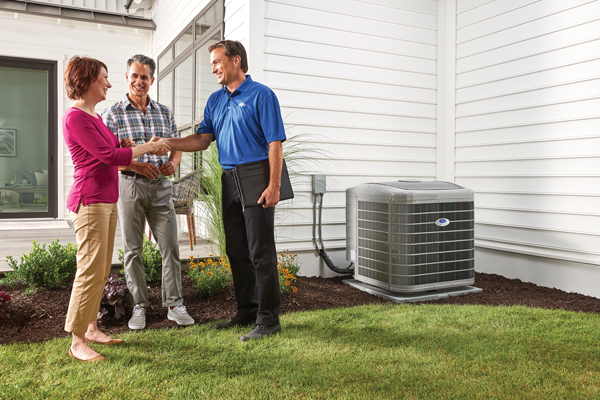 Modern heating and cooling systems have uses beyond heating and cooling. They can improve air quality in the home by balancing humidity levels, reducing drafts and keeping a consistent climate throughout multiple rooms and stories. They also use less energy and run more quietly than older systems, making a home quieter and more cost-effective.
HVAC Basics Many Homeowners Miss
HVAC units often go unseen, yet a home’s comfort depends on them running consistently. It’s critical that homeowners schedule annual maintenance appointments to ensure their system is running as it should and they’re aware of when it may be time to replace.
While it may seem more cost-effective to stick with an outdated system for one more season, an old system could end up prolonging issues and ultimately cost homeowners more in repairs.
Spring is an ideal time to invest in a new HVAC system, as contractors are generally more available to install a new system and homeowners can get ahead of the summer heat, ensuring they’ll be cool all season long.
Signs It’s Time to Replace
Red flags that indicate it’s time for a new HVAC system include: a system that’s more than 10-15 years old, a system that needs noticeably more repairs, energy bills going up despite usage remaining the same, inconsistent temperatures, a system struggling to maintain the desired temperature or a system that’s constantly running or seems less efficient than it used to.
Many companies offer specials during the spring and fall months, known as shoulder season. For example, until May 31, Carrier is offering 0% APR for 60 months and up to $2,100 in rebates so customers can get a jumpstart on a cool, comfortable home. A new HVAC system means more than just cool temps this summer; it means added home value, cleaner air and peace of mind.
Learn more about available rebates, tax credits and financing plans at Carrier.com or by contacting a local expert.


SOURCE:
Carrier
Welcome to the Consumer Corner section of STM Daily News, your ultimate destination for savvy shopping and informed decision-making! Dive into a treasure trove of insights and reviews covering everything from the hottest toys that spark joy in your little ones to the latest electronic gadgets that simplify your life. Explore our comprehensive guides on stylish home furnishings, discover smart tips for buying a home or enhancing your living space with creative improvement ideas, and get the lowdown on the best cars through our detailed auto reviews. Whether you’re making a major purchase or simply seeking inspiration, the Consumer Corner is here to empower you every step of the way—unlock the keys to becoming a smarter consumer today! https://stmdailynews.com/category/consumer-corner
Consumer Corner
Spruce Up Your Home for St. Patrick’s Day
Spruce Up Your Home: Spring is just around the corner, and there are few better ways to freshen up your home than with a wee bit of St. Patrick’s Day decor.
Last Updated on March 15, 2026 by Daily News Staff
(Feature Impact) Spring is just around the corner, and there are few better ways to freshen up your home than with a wee bit of St. Patrick’s Day decor.
Spruce Up Your Home for St. Patrick’s Day
A Splash of Green and a Sparkle of Gold
Whether you love emerald, lime, sage or leafy green shades, simply adding a pop of a new-to-you hue can infuse your home with some St. Paddy’s fever. Check craft stores for reusable greenery to place in a pot or vase, or get crafty and dot pinecones with glue before dusting them with green glitter and placing them in a glass bowl to make a festive display worthy of a leprechaun’s seal of approval. Get Ready for Spring and Shop New Arrivals to Refresh Your Space!
Scent of the Season
Lighting a candle not only creates a festive vibe, but the aroma from a scented candle can remove any staleness in the air and bring some ambiance to your home. Any earthy scent will do – from juniper to fir, pine, sandalwood or amber. Woodsy choices infuse a room with comfort and warmth. Decorative elements like metal charms, beads and crystals (in bright green or gold) add a pop of whimsy to your candle, too.
Shape a Shamrock
Holidays are ideal times to flex your creative muscles and give your home a little artsy edge. Scour the shelves at dollar stores or thrift shops for things like green clay or modeling dough, colored paper, wooden shamrocks, stickers and inexpensive paint sets. Set your artistic side free with paintings or drawings of shimmery rainbows, mischievous leprechauns and shamrocks in various sizes.
Coins, Clover and Centerpieces
One of the easiest ways to add a little Celtic cheer to your home is with joyful table decor. Add some gold shimmer to your dining room table with sparkly ribbons, a bright runner and gold-flecked napkin rings. A fancy glass filled with green baubles and pebbles can be both subtle and festive. A scattering of faux gold coins and rainbow napkins can make the space feel merry and magical.
Find more ideas to get your home ready for St. Patrick’s Day at eLivingtoday.com.
Photo courtesy of Shutterstock
SOURCE:
Welcome to the Consumer Corner section of STM Daily News, your ultimate destination for savvy shopping and informed decision-making! Dive into a treasure trove of insights and reviews covering everything from the hottest toys that spark joy in your little ones to the latest electronic gadgets that simplify your life. Explore our comprehensive guides on stylish home furnishings, discover smart tips for buying a home or enhancing your living space with creative improvement ideas, and get the lowdown on the best cars through our detailed auto reviews. Whether you’re making a major purchase or simply seeking inspiration, the Consumer Corner is here to empower you every step of the way—unlock the keys to becoming a smarter consumer today!
https://stmdailynews.com/category/consumer-corner





