

pets
Cozy Up to Peace of Mind: 4 Tips to Avoid Common Pet Hazards This Thanksgiving
Tips to Avoid Common Pet Hazards: Keep your furry friends safe this Thanksgiving with these 4 essential pet safety tips. Learn which foods are toxic to pets, how to pet-proof holiday decor, and what to do in emergencies. VCA Animal Hospitals offer 50% off ER exams to help protect your four-legged family members during the holidays.

Last Updated on December 24, 2025 by Daily News Staff
Cozy Up to Peace of Mind: 4 Tips to Avoid Common Pet Hazards This Thanksgiving
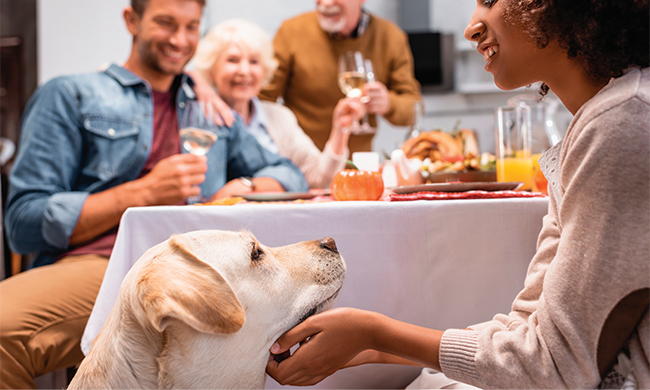
(Family Features) Thanksgiving is a time for cozy gatherings with loved ones to share gratitude, crisp adventures, festive decor and, oftentimes, delicious food. However, many traditions associated with giving thanks, including the feast, can pose risks to your furry family members.
Even with the best-laid plans, accidents can happen. From tempting table scraps to the crackling fire and festive decor, it’s important to take steps to prevent seasonal hazards from ruining the celebration for your pets. However, should those unforeseen moments occur, participating VCA Animal Hospitals Emergency Care locations offer access to world-class emergency medicine, 50% off an ER exam for all pet owners and free ER exams for CareClub members.
For added peace of mind, taking these extra precautions during the festivities can help keep your furry friends safe and healthy:
Skip the Table Scraps
While pleading eyes can be hard to resist when you’re gathered around the table, remember – and remind little ones – many Thanksgiving foods can make pets sick. Avoid feeding pets turkey skin, which can trigger pancreatitis, or bones, which could splinter and lead to choking or internal injuries, and pack away any leftovers quickly to keep curious pets at bay. Similarly, beware of ingredients like onions, garlic and chives, which are common in stuffing and casseroles, and are toxic to both dogs and cats.
If you want to include your four-legged family members in the celebration, plain turkey breast, unseasoned green beans or pumpkin puree are safe for most pets to consume. However, many other seasonal desserts contain chocolate, raisins, grapes or the sugar substitute xylitol, which can also be harmful. Be sure to keep beverages out of reach as well, as pets can quickly absorb alcohol, which may lead to alcohol poisoning.
Mind the Decorations
Seasonal decor can make your home feel welcoming, but pets are curious by nature and often attracted to new items in their living spaces. Help keep your furry friends safe by sitting or hanging decorations out of paws’ reach and unplugging extra cords and string lights when not in use as they pose a chewing – and shock – risk to pets.
Beware of Open Flames
Heat sources, such as fireplaces and wood stoves, can be enticing with their warm embers and golden hue, but they also pose serious fire and burn risks should wagging tails or chilly noses get too close. Keep pets a safe distance from open flames by placing a guard around the flame and, similarly, keep lit candles out of pets’ reach.
Prepare for Cool-Weather Walks
If you live in an area with snow and ice, be cautious of weather conditions when sending pets outside to play or use the bathroom, and consider a pet sweater or jacket and booties to protect them from the cold. When going out for walks, particularly during the early morning and late evening hours, use a non-retractable leash to keep furry family members close, wear high-visibility gear and avoid paths, roads and trails with limited lighting.
Visit vcaholiday.com to find a location near you in case of emergency and more tips to keep your pets happy and healthy this Thanksgiving.
Emergency Situations That Require Immediate Attention
During the holidays – or any other time or year – accidents can happen. Should your pet be involved in any of these situations, they likely require emergency veterinary attention:
- Severe accident or trauma
- Vomiting or diarrhea that goes on for an extended time
- Severe fever or malaise
- Birthing problems
- Broken bones
- Getting hit by a car
- Seizures
- Shock
- Uncontrolled bleeding
- Attack by another animal
- Known or suspected toxin ingestion
- Difficulty breathing or severe coughing
Photo courtesy of Shutterstock
SOURCE:
VCA Animal Hospitals
Our Lifestyle section on STM Daily News is a hub of inspiration and practical information, offering a range of articles that touch on various aspects of daily life. From tips on family finances to guides for maintaining health and wellness, we strive to empower our readers with knowledge and resources to enhance their lifestyles. Whether you’re seeking outdoor activity ideas, fashion trends, or travel recommendations, our lifestyle section has got you covered. Visit us today at https://stmdailynews.com/category/lifestyle/ and embark on a journey of discovery and self-improvement.
Author

Discover more from Daily News
Subscribe to get the latest posts sent to your email.


The Farmer’s Dog is expanding its reach through a new retail collaboration with Walmart, a move that will make its personalized, human-grade dog meal plans available to more pet owners across the United States. According to a corrected press release issued March 24, the company’s service will become available through Walmart.com beginning in April, marking The Farmer’s Dog’s first launch into retail.

The New York-based company says the partnership is designed to increase access to minimally processed dog food at a national scale. By working with Walmart, The Farmer’s Dog aims to connect with millions of dog families who may be looking for alternatives to more heavily processed pet food options. The company has positioned itself as a leader in human-grade pet nutrition, emphasizing meals made to support long-term canine health.
Jonathan Regev, CEO and co-founder of The Farmer’s Dog, said the company was founded on the belief that real food can make a meaningful difference in dogs’ lives. He described the Walmart collaboration as an opportunity to meet pet owners where they already shop and to help more dogs eat better and live healthier lives. Walmart also framed the partnership as part of its broader effort to offer customers products and services for every member of the household, including pets.
Since its founding, The Farmer’s Dog says it has served more than 1 billion meals and helped shift consumer attention toward fresher, less processed nutrition for dogs. The company also pointed to published metabolomics research that it says demonstrates health improvements associated with its meals. With the Walmart launch set for April, dog owners nationwide will soon have another way to access The Farmer’s Dog’s personalized meal plans online.
Related Links
Source
Our Lifestyle section on STM Daily News is a hub of inspiration and practical information, offering a range of articles that touch on various aspects of daily life. From tips on family finances to guides for maintaining health and wellness, we strive to empower our readers with knowledge and resources to enhance their lifestyles. Whether you’re seeking outdoor activity ideas, fashion trends, or travel recommendations, our lifestyle section has got you covered. Visit us today at https://stmdailynews.com/category/lifestyle/ and embark on a journey of discovery and self-improvement.
Discover more from Daily News
Subscribe to get the latest posts sent to your email.

Pup-Peroni is giving dog owners a new reason to show off their pets. The brand has teamed up with Walmart to launch the nationwide #BestPup_Contest, a promotion that will give one winning dog the chance to appear on limited-edition Pup-Peroni packaging sold exclusively at Walmart stores and online.
The campaign ties into Pup-Peroni’s broader “Treat the Best to the Best” messaging and turns social sharing into a high-visibility brand moment. Rather than offering a standard giveaway alone, the contest invites pet parents to compete for something more memorable: a spot on real retail packaging.
How the Contest Works
To enter, dog owners must post a photo or video on Instagram or TikTok from a public account and include a one-sentence caption explaining why their dog is the best. Entries must also include the hashtag #BestPup_Contest and tag @PupPeroni and @Walmart.
According to the announcement, entries are being accepted through May 27, 2026. The contest is open to legal residents of the 48 contiguous United States and Washington, D.C., age 18 or older. No purchase is necessary.
What the Winners Receive
The grand prize winner will receive a $5,000 Walmart gift card and have their dog featured on limited-edition Pup-Peroni Original Beef Recipe packaging beginning in August at select Walmart locations and online. Five runners-up will each receive a $1,000 Walmart gift card, a year’s supply of Pup-Peroni treats, and custom medals.
The promotion stands out because it blends user-generated content, retail exclusivity, and pet-owner enthusiasm into one campaign. For a brand built around the bond between dogs and their owners, it is a smart way to turn everyday social behavior into a branded experience that feels personal and shareable.
Product and Brand Details
Pup-Peroni says its Original Beef Recipe treats are made with real beef as the first ingredient and slow-cooked for 2.5 hours for a tender texture and rich flavor. The product is available at grocery stores and major retailers, including Walmart.
Since 1984, Pup-Peroni has positioned itself as a craveable dog treat brand focused on bringing dogs and owners closer together. This latest Walmart-exclusive contest extends that identity with a campaign designed to celebrate dogs while driving attention both online and in-store.
Related Links
Source
Our Lifestyle section on STM Daily News is a hub of inspiration and practical information, offering a range of articles that touch on various aspects of daily life. From tips on family finances to guides for maintaining health and wellness, we strive to empower our readers with knowledge and resources to enhance their lifestyles. Whether you’re seeking outdoor activity ideas, fashion trends, or travel recommendations, our lifestyle section has got you covered. Visit us today at https://stmdailynews.com/category/lifestyle/ and embark on a journey of discovery and self-improvement.
Discover more from Daily News
Subscribe to get the latest posts sent to your email.


Raw Pet Food Recall Raises Health Concerns Nationwide—Here’s What Pet Owners Need to Know
A pet food recall tied to dangerous bacteria is raising concerns beyond the Northeast, highlighting growing risks associated with raw pet diets. The recall involves products from Raaw Energy, LLC, a New Jersey-based company, after testing revealed contamination with multiple harmful pathogens.
According to the U.S. Food and Drug Administration (FDA), affected products tested positive for Salmonella, Listeria monocytogenes, E. coli, and Campylobacter jejuni—all of which can cause serious illness in both pets and humans.
Why This Recall Matters Nationwide
Although the recalled products were primarily distributed across Northeastern states, this story has broader implications for pet owners across the United States, including here in Arizona.
Raw pet food diets have grown in popularity in recent years, often marketed as a more natural alternative to traditional kibble. However, veterinary experts and federal agencies have consistently warned that raw diets carry a higher risk of bacterial contamination.
This recall reinforces those concerns, especially as it involves multiple products and several types of harmful bacteria—suggesting potential issues with handling or production safety.
Health Risks for Pets and Humans
One of the most important takeaways from this recall is that it is not just about pet safety—it’s also a human health issue.
- Salmonella and E. coli can cause severe gastrointestinal illness
- Listeria can be especially dangerous for pregnant individuals, seniors, and those with weakened immune systems
- Campylobacter infections can lead to fever, cramping, and diarrhea
Humans can become infected by handling contaminated pet food, touching contaminated surfaces, or failing to properly wash hands after feeding pets.
Pets May Not Show Immediate Symptoms
Another concern is that pets infected with these bacteria may not show obvious symptoms right away. Even healthy-looking animals can carry and spread bacteria in the home, increasing the risk for owners and family members.
When symptoms do appear, they may include:
- Vomiting
- Diarrhea
- Lethargy
- Loss of appetite
Products Included in the Recall
The recall affects multiple raw pet food products, including chicken, beef, turkey, and salmon blends sold in 2-pound and 5-pound tubes with 2025 date codes.
The wide range of affected products suggests this is not an isolated batch issue, but a broader safety concern.
What Pet Owners Should Do Now
If you feed your pet raw food or have purchased products from Raaw Energy, take the following steps immediately:
- Check packaging and date codes carefully
- Do not feed any recalled products
- Wash hands thoroughly after handling pet food
- Sanitize pet bowls, utensils, and surfaces
- Contact your veterinarian if your pet shows symptoms
An Ongoing Investigation
The FDA has not yet assigned an official classification to this recall, meaning the overall risk level is still under evaluation. Additional updates or expanded recalls could follow as more information becomes available.
For now, experts say this serves as a reminder that while raw pet food diets may appeal to some owners, they come with real and sometimes overlooked risks.
The Bottom Line
This recall is more than a regional issue—it’s part of a growing national conversation about pet food safety. For pet owners, the priority is simple: stay informed, handle pet food safely, and act quickly when recalls are announced.
Discover more from Daily News
Subscribe to get the latest posts sent to your email.





