

Health
Give Your Skin a Seasonal Glow with Winter Care Tips

Last Updated on November 15, 2025 by Daily News Staff
(Family Features) As your sun-kissed glow gives way to crisp winter air, your skin may start to feel the effects of cooler, drier weather. Yet, with the right care, it’s possible to maintain that healthy, luminous look all season long.
Winter skin care isn’t about adding complexity – it’s about preserving hydration, protecting the barrier and choosing products that nurture instead of strip. Rooted in the century-old European tradition of natural botanical skin care, the experts at Herbacin aim to show that radiant skin is achievable year-round with just a few mindful adjustments to your daily routine.
Skip Long, Hot Showers
A steaming shower may feel heavenly on a chilly morning, but the heat can actually pull moisture from your skin. To keep your complexion balanced, choose warm (not hot) water and limit shower time. Gentle cleansing helps maintain the skin’s natural oils, which are vital for keeping dryness and irritation at bay.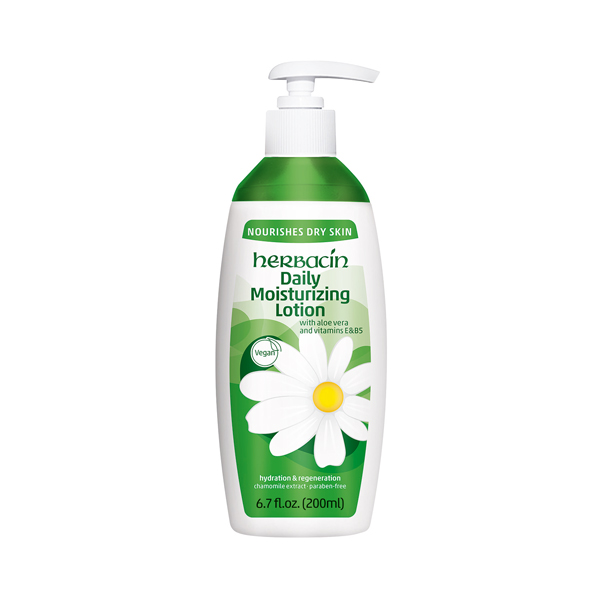
Lock In Moisture Immediately
After showering, pat skin lightly with a towel and apply lotion while it’s still slightly damp. This simple step helps trap water before it evaporates. Look for a lightweight, fast-absorbing formula enriched with natural emollients. A trusted choice like Herbacin Daily Moisturizing Lotion combines nourishing jojoba oil and shea butter to soften and hydrate. Aloe vera and chamomile calm irritation while leaving a light, refreshing scent. Suitable for all skin types, it delivers lasting softness without any greasy feel – perfect for daily use from head to toe.
Ease Up on Exfoliation
When your skin feels rough or flaky, it’s tempting to exfoliate frequently. However, over-exfoliating can remove the skin’s protective barrier and worsen dryness. Instead, use a gentle scrub or enzymatic exfoliant no more than once or twice a week and always follow with moisturizer to soothe and restore balance.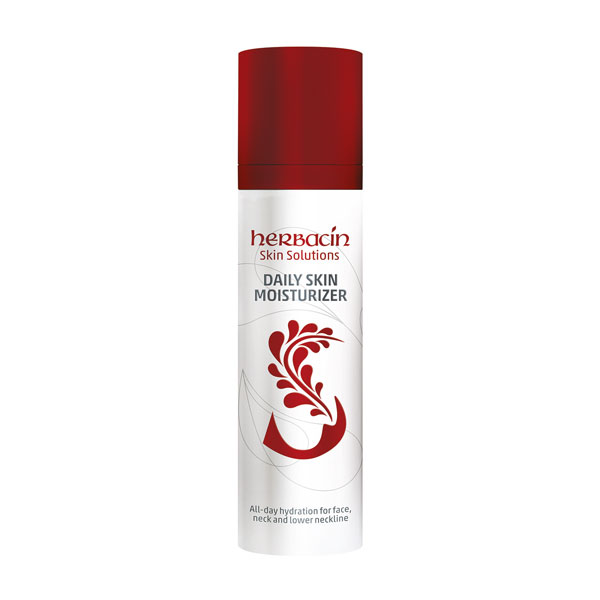
Layer for Maximum Hydration
Layering products allows each formula to do its job effectively. Start with the thinnest, most water-based product – such as a hydrating serum or lightweight moisturizer – and finish with a richer cream to seal it all in. For a deep-moisture boost, try Herbacin Skin Solutions Daily Skin Moisturizer, formulated with a hydro-boosting complex featuring hyaluronic acid, myo-inositol and fucose biopolymer. This quick-absorbing, silky-soft lotion provides long-lasting hydration – up to 24 hours – and helps soothe even sensitive or irritated skin. Plus, its airless dispenser keeps the formula fresh and easy to use.
Choose a Thicker Moisturizer for Extra Protection
Winter’s cold winds and low humidity can weaken your skin’s barrier. A richer, cream-based moisturizer creates a protective layer that locks in moisture and shields against environmental stressors. Even those with oily or combination skin can benefit as the right moisturizer helps balance oil production and prevents dehydration.
Don’t Ditch the Sunscreen
Sun protection isn’t just for summer. Winter UV rays can still damage skin and contribute to premature aging. Apply sunscreen daily to exposed areas, such as your face, neck and hands, especially when spending time outdoors. Reapply as directed for continuous protection.
Add a Little Light
Emerging research supports the benefits of red light therapy, which helps stimulate collagen production and improve circulation. The result is firmer, more resilient skin that holds moisture better and appears more radiant.
Keep the Air Comfortable
Indoor heating can sap moisture from the air – and your skin. Maintaining an indoor humidity level between 30-50% supports not only skin health but also respiratory comfort. If your home’s air feels overly dry, consider adding a humidifier to your bedroom or main living space.
From a quick morning shower to evening self-care, small daily choices can have a big impact on your skin’s health – no matter how cold it gets outside. Discover more seasonal skin-care tips and explore the full collection at herbacinusa.com.
Stocking Stuffers for Better Skin Care
A stocking stuffed with treats is the perfect way to shower a loved one with practical gifts that show how much you care. Nature-inspired skin care gift sets offer a spa-like experience that feels both luxurious and genuinely thoughtful.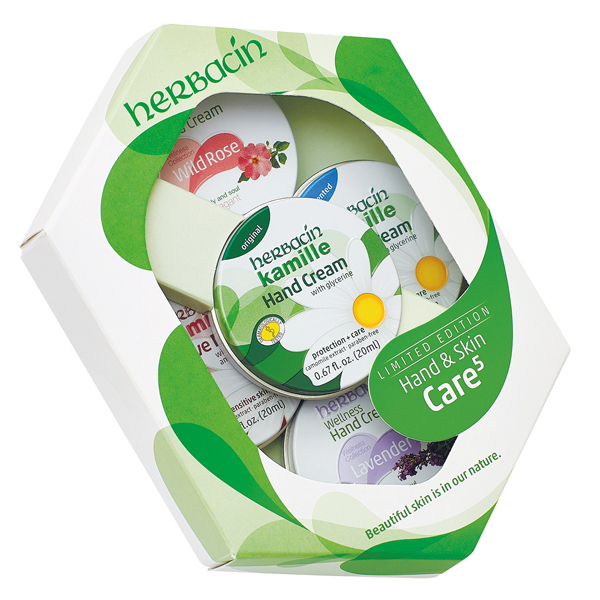
5-in-1 Bliss
This Hand & Skin Care 5 Tin Set of trial-size containers is perfect for on-the-go skin protection. Each tin provides hands and skin with natural all-round protection free from parabens, mineral oil, animal byproducts or synthetic colors with Herbacin Hand Cream in original, unscented and intensive moisture formulas, and Wellness Hand Cream in wild rose and lavender.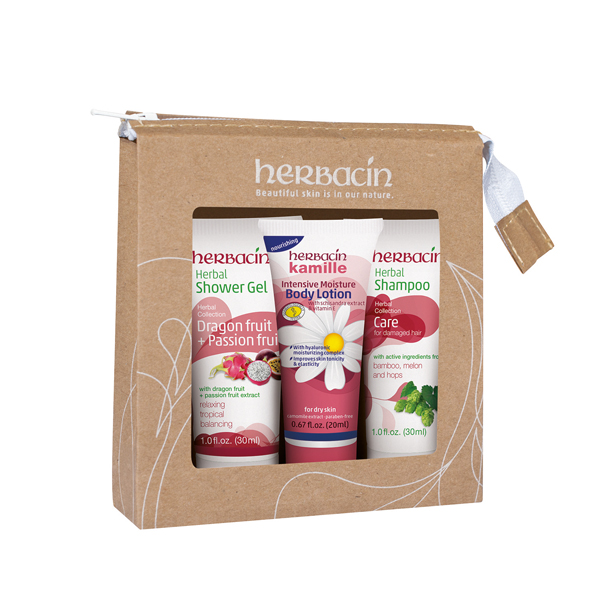
A Practical, Pampering Trio
This Pamper Yourself Trio of mini tubes includes a selection of must-have products to cleanse and care for your skin and hair. Each product is dermatologically tested and vegan, with no parabens, mineral oils or synthetic colors. The set includes Herbal Shower Gel in dragon fruit and passion fruit, as well as the Herbal Shampoo Care and Herbacin Intensive Body Lotion.
Photo courtesy of Adobe Stock (woman applying lotion to face)
Photo courtesy of Shutterstock (woman applying lotion to hands)
SOURCE:
Herbacin
Looking for an entertainment experience that transcends the ordinary? Look no further than STM Daily News Blog’s vibrant Entertainment section. Immerse yourself in the captivating world of indie films, streaming and podcasts, movie reviews, music, expos, venues, and theme and amusement parks. Discover hidden cinematic gems, binge-worthy series and addictive podcasts, gain insights into the latest releases with our movie reviews, explore the latest trends in music, dive into the vibrant atmosphere of expos, and embark on thrilling adventures in breathtaking venues and theme parks. Join us at STM Entertainment and let your entertainment journey begin! https://stmdailynews.com/category/entertainment/
and let your entertainment journey begin!
Author


health and wellness
Progress, Not Perfection: How Healthy Habits Can Stack Up One Step at a Time
The article emphasizes that achieving better health relies on progress, not perfection. It advocates for realistic goals and highlights tools like My Life Check for personalized health assessments. Small, manageable changes in diet, exercise, sleep, and stress management can significantly impact overall well-being, making healthy habits more attainable and sustainable.
Last Updated on April 1, 2026 by Daily News Staff
Progress, Not Perfection: How Healthy Habits Can Stack Up One Step at a Time
(Feature Impact) Despite the best of intentions, it’s common for plans to build healthier habits to fall flat. Often, the culprit isn’t a lack of motivation or discipline; rather, it’s unrealistic expectations.
Overhauling your lifestyle requires a level of commitment that isn’t always practical. Understanding your personal health needs and the challenges you need to overcome can help give you a more realistic roadmap toward better health.
Tools to Guide You
Every plan needs a starting point and there are many reputable sources that can help guide you toward a plan that addresses your personal health needs.
For example, the American Heart Association introduced My Life Check, a simple, free tool to help individuals understand their heart health and what’s driving it. Users answer simple questions about their daily habits and health factors to get a personalized Heart Health Score in minutes.
The results are private and downloadable, giving you full control of your information. The tool turns big goals into small, specific actions you can start right away. Knowing your numbers relative to your heart health (and where you are in comparison to target ranges for optimal health) can help you decide how to build a better map to get you where you want to be.
While the report is customized to each individual, no personal data is stored and answers are only used to calculate health scores and provide personalized recommendations and practical steps to improve your health, so you can use your results to focus on what matters most to you. Every small step you take, such as moving more, eating smarter, sleeping better or managing stress, can add up over time.

Finding Your Path
Once you’re armed with data and know where you stand on your heart health numbers, small steps become clearer and more manageable. That knowledge makes it easier to choose one area to focus on, such as getting more sleep, taking daily walks or adding more color to your meals.
Healthy changes don’t need to be expensive or complicated. The best habits are ones that fit real life when every action you take moves you closer to your goals.
Staying motivated and on track is also easier when you can check back in, see your progress and realize the steps you’re taking are making an impact. Checking in every few months to see how you can grow gives you the chance to celebrate your progress, learn from challenges and keep building lasting habits that feel good.
To get started with personalized tips to set your own health goals, visit heart.org/mylifecheck.
Healthy Habits for Everyday Life
Eat Smart
Choose foods that help you feel your best, one meal at a time. Add more color to your plate and focus on balance, not restriction. Simple, affordable swaps can make a real difference.
Smart Tip: Aim for an overall healthy eating pattern that includes whole foods, fruits and vegetables, lean protein, nuts, seeds and cooking in non-tropical oils such as olive and canola.
Move More
Find movement that fits your life, such as a walk, a stretch or dancing while you cook. Every bit of activity counts and it all supports your heart and mind. Move for joy, not just for results.
Smart Tip:Adults should get 150 minutes of moderate physical activity (or 75 minutes of vigorous activity) per week. Kids should aim for 60 minutes every day, including play and structured activities.
Sleep Well
Rest is a foundation of good health, not a reward. Protect your bedtime routine and give your body the recovery it deserves. Notice how good sleep makes everything else easier.
Smart Tip: Most adults need 7-9 hours of sleep each night. Children require more. Adequate sleep promotes healing, improves brain function and reduces the risk for chronic diseases.
Manage Stress
Check in with yourself regularly, both mentally and emotionally. Create simple moments to pause, breathe, laugh or step outside. Connection, kindness and calm all support a healthy heart.
Smart Tip:The first step to stress management is awareness. Step “away from yourself” for a moment. Objectively ask yourself, “Is my stress level too high?” If so, look at what might be causing that stress.
Ideas for Incremental Changes
- Dedicate 15 minutes at the beginning or end of the day to focus on self-care, whether it’s unwinding with some music, writing down your goals or reflecting on the highlights of the day.
- Aim to add an extra serving of fruits or veggies each day, such as creating a savory veggie omelet or exploring new smoothie blends that let you pack in the produce on the go.
- Give your cabinets a quick update and put the smaller plates front and center. When you use a smaller plate, you can fill it while still sticking to recommended serving sizes.
- If you’re not a fan of the gym, think about how your hobbies can play a role in your physical activity. Even gardening counts as physical activity, so get creative to get moving with an activity you truly enjoy.
- Establish a bedtime routine that allows you to ease into sleep more easily. Once you feel the impact of better-quality rest, you may find yourself more motivated to make a regular bedtime a priority.
Photos courtesy of Shutterstock
https://erp.featureimpact.com/api/v1/tracking/17763/10235/track.js
(function () {
var image = new Image(1, 1);
image.src = ‘https://erp.featureimpact.com/api/v1/tracking/17763/10235/track.gif?referrer=’ + window.location.href;
image.id = ‘feature-impact-content-tracking-pixel’;
image.style.position = ‘absolute’;
image.style.top = 0;
image.style.left = 0;
document.body.appendChild(image);
})();
SOURCE:
Lifestyle
How to Practice Thoughtful Grief Etiquette Online
Grief experts advise caution in sharing condolences and loss-related information on social media, emphasizing the importance of prioritizing the grieving family’s needs. Thoughtful posting practices include waiting for family approval, reaching out privately first, and avoiding speculation about the cause of death. Compassionate communication is essential in these sensitive situations.
Last Updated on March 31, 2026 by Daily News Staff
(Feature Impact) News of a death can spread online in seconds – often before families have notified close family members privately. That’s why grief experts urge people to rethink how they share condolences, tributes and loss-related information on social media, particularly during the winter months when grief can feel especially isolating.
“Grief etiquette is about putting the needs of the grieving family first, not our urge to say something publicly,” said Dr. Camelia L. Clarke, National Funeral Directors Association (NFDA) spokesperson, funeral director and grief educator with nearly 30 years of experience. “Just because information can be shared instantly doesn’t mean it should be.”
Social media has become a common place for sharing condolences, tributes and memories. However, grief experts caution that, without thoughtful consideration, online posts can unintentionally cause harm. Knowing when to post, what to say and when to remain silent can make a meaningful difference for families experiencing loss.
Consider this advice from the experts at the NFDA.
Grief Etiquette in the Digital Age
Grief etiquette refers to the unspoken guidelines for how individuals acknowledge death, loss and mourning, particularly online.
According to Clarke, one of the most important principles is restraint.
“When a death is shared online too quickly, families can feel exposed and overwhelmed at a moment when they’re still processing the loss themselves,” she said. “Waiting is an act of compassion.”
Best Practices for Posting About Loss Online
As social media continues to play a role in modern mourning, grief professionals encourage users to pause before posting and consider a few key guidelines:
- Let the family lead. Don’t post about a death until the immediate family has made it public.
- Ask permission. Obtain consent before sharing photos, stories or tributes.
- Reach out privately first. A direct message, call or handwritten note can be more meaningful than a public comment.
- Avoid speculation. Don’t ask about or share details regarding the cause of death.
- Offer ongoing support. Grief extends far beyond the first days or weeks after a loss.
What to Say (and Avoid)
When expressing condolences online, experts recommend simplicity, sincerity and sensitivity. Messages that acknowledge loss without attempting to explain or minimize it are often the most supportive.
Helpful phrases include:
- “I’m sorry for your loss.”
- “Thinking of you and your family.”
- “I’m here if you want to talk or need anything.”
By contrast, well-meaning cliches can unintentionally cause harm. Phrases such as “They’re in a better place” or “Everything happens for a reason” may reflect the speaker’s beliefs, but they can feel dismissive to someone grieving.
“Grieving people don’t need answers – they need presence,” Clarke said. “Listening matters more than saying the perfect thing.”
Resources for Families and Friends
As digital spaces continue to shape how people communicate during life’s most difficult moments, experts agree empathy, patience and respect remain timeless.
“Grief is deeply personal,” Clarke said. “When we slow down and lead with compassion, we honor both the person who has died and those who are left to grieve.”
To learn more about how to support a grieving person and access free, expert-reviewed resources for navigating grief, expressing condolences and supporting loved ones before, during and after a loss, visit RememberingALife.com, an initiative of the NFDA.
Photo courtesy of Shutterstock
<img src="https://ssl.google-analytics.com/collect?v=1&tid=UA-482330-7&cid=1955551e-1975-5e52-0cdb-8516071094cd&sc=start&t=pageview&dl=http%3A%2F%2Ftrack.familyfeatures.com%2F17832%2F10240&dt=HOW-TO-PRACTICE-THOUGHTFUL-GRIEF-ETIQUETTE-ONLINE" />
<img src="https://erp.featureimpact.com/api/v1/tracking/17832/10240/track.gif" />SOURCE:

Last Updated on March 27, 2026 by Daily News Staff
4 Simple Ways to Keep Allergy Season at Bay
(Family Features) With warmer outdoor temperatures, many homeowners suffer through longer allergy seasons. In fact, allergy days have increased by 20 days, according to a study conducted by the National Academy of Sciences.
Being aware of air quality indexes and limiting time outdoors can lessen exposure to airborne pollutants, but indoor air quality is also a concern. In a report from the U.S. Environmental Protection Agency, levels of indoor pollutants can be 2-5 times higher than outdoor air.
People spend nearly two-thirds of their lives at home, according to Carrier, which developed its Healthy Homes Program to help homeowners create indoor environments that optimize health and wellness. Consider these ways you can combat pollutants where it matters most: your home’s indoor air quality.
Reduce Indoor Pollutants
Your home has multiple sources of indoor air pollutants. While avoiding these pollutants altogether is often the best solution, it’s not always possible. However, there are a few ways you can reduce exposure in your home: ban indoor smoking; turn on exhaust fans when cooking; minimize or remove “soft” pollutant gathering surfaces such as decorative pillows, stuffed animals and decorative throws; and regularly clean all heating and air conditioner filters as required or according to manufacturer specifications.
Add Air Purifiers to Your HVAC Unit
While air purifiers don’t treat allergies, they can help filter out allergens that can cause allergy symptoms. Homeowners might consider purifiers that are highly effective at capturing particulate. For example, the Carrier Infinity air purifier is a whole-home heating and cooling system. It not only captures 95% of particles in micron size range 1.0-3.0, but also inactivates 99% of select airborne germs and viruses that flow through the HVAC system and become trapped in the MERV 15 filter. The purifier has also demonstrated effectiveness against the murine coronavirus – similar to the human novel coronavirus (SARS-CoV-2) that causes COVID-19 – based on third-party testing, as well as the type of viruses that cause the common cold, streptococcus pyogenes and influenza.
Control Humidity
Many people know high humidity can cause discomfort in hot temperatures, but there are other potentially negative impacts. According to the Centers for Disease Control and Prevention, dust mites thrive in 70-80% humidity and temperatures between 75-85 F. Additionally, high humidity can provide an environment conducive to mold growth, which is why maintaining relative indoor humidity between 40-60% is recommended to keep dust mites and mold at bay. To help control humidity, run the air conditioner when it’s hot and humid and consider using whole-home humidifiers and dehumidifiers that allow for specific settings for moisture control.
Consider Room Air Purifiers for Individual Spaces
Room air purifiers are portable and highly efficient solutions for smaller spaces such as nurseries, bedrooms, home gyms and added rooms. One example is the Carrier Smart Room Air Purifier with a built-in indoor air quality monitor that includes three levels of filtration, including an activated carbon filter to capture odors. The attached, color-coded air quality monitor measures and displays pollutant levels so homeowners can be informed and aware of the quality of their indoor air, giving them the ability to maintain next-level comfort while breathing cleaner air.
Creating your ideal home environment is more than just controlling the temperature. Your home’s air should be filtered and pollutants limited to minimize allergy triggers and promote good indoor air quality.
To learn more and get an estimate on a solution that’s right for you, visit carrier.com/residential.
SOURCE:
Carrier
https://stmdailynews.com/category/lifestyle/






