

Lifestyle
Knee problems tend to flare up as you age – an orthopedic specialist explains available treatment options


Angie Brown, Quinnipiac University
Knee injuries are common in athletes, accounting for 41% of all athletic injuries. But knee injuries aren’t limited to competitive athletes. In our everyday lives, an accident or a quick movement in the wrong direction can injure the knee and require medical treatment. A quarter of the adult population worldwide experiences knee pain each year
As a physical therapist and board-certified orthopedic specialist, I help patients of all ages with knee injuries and degenerative conditions.
Your knees have a huge impact on your mobility and overall quality of life, so it’s important to prevent knee problems whenever possible and address pain in these joints with appropriate treatments.
Healthy knees
The knee joint bones consist of the femur, tibia and patella. As in all healthy joints, smooth cartilage covers the surfaces of the bones, forming the joints and allowing for controlled movement.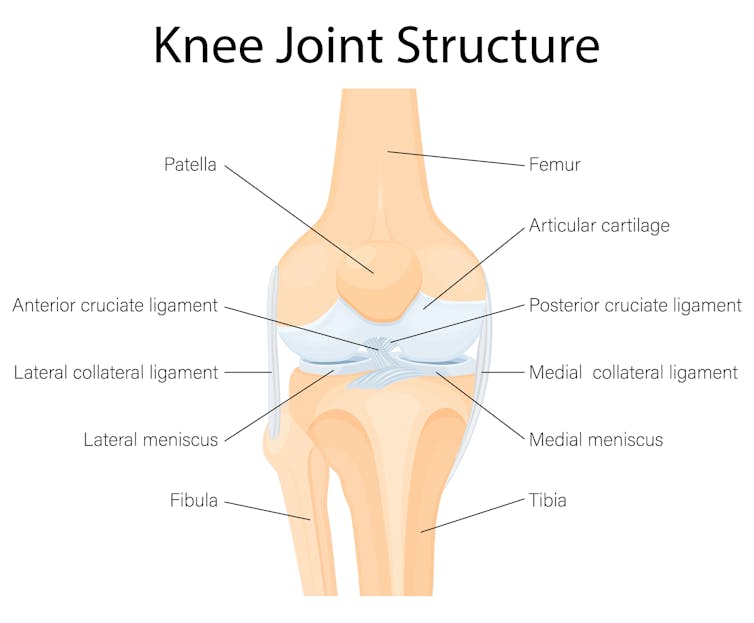
Muscles, ligaments and tendons further support the knee joint. The anterior cruciate ligament, commonly known as the ACL, and posterior cruciate ligament, or PCL, provide internal stability to the knee. In addition, two tough pieces of fibrocartilage, called menisci, lie inside the joint, providing further stability and shock absorption.
All these structures work together to enable the knee to move smoothly and painlessly throughout everyday movement, whether bending to pick up the family cat or going for a run.
Causes of knee pain
Two major causes of knee pain are acute injury and osteoarthritis.
Ligaments such as the ACL and PCL can be stressed and torn when a shear force occurs between the femur and tibia. ACL injuries often occur when athletes land awkwardly on the knee or quickly pivot on a planted foot. Depending on the severity of the injury, these patients may undergo physical therapy, or they may require surgery for repair or replacement.
PCL injuries are less common. They occur when the tibia experiences a posterior or backward force. This type of injury is common in car accidents when the knee hits the dashboard, or when patients fall forward when walking up stairs.
The menisci can also experience degeneration and tearing from shear and rotary forces, especially during weight-bearing activities. These types of injuries often require rehabilitation through physical therapy or surgery.
Knee pain can also result from injury or overuse of the muscles and tendons surrounding the knee, including the quadriceps, hamstrings and patella tendon.
Both injuries to and overuse of the knee can lead to degenerative changes in the joint surfaces, known as osteoarthritis. Osteoarthritis is a progressive disease that can lead to pain, swelling and stiffness. This disease affects the knees of over 300 million people worldwide, most often those 50 years of age and up. American adults have a 40% chance of developing osteoarthritis that affects their daily lives, with the knee being the most commonly affected joint.
Age is also a factor in knee pain. The structure and function of your joints change as you age. Cartilage starts to break down, your body produces less synovial fluid to lubricate your joints, and muscle strength and flexibility decrease. This can lead to painful, restricted movement in the joint.
Risk factors for knee problems
There are some risk factors for knee osteoarthritis that you cannot control, such as genetics, age, sex and your history of prior injuries.
Fortunately, there are several risk factors you can control that can predispose you to knee pain and osteoarthritis specifically. The first is excessive weight. Based on studies between 2017 and 2020, nearly 42% of all adult Americans are obese. This obesity is a significant risk factor for diabetes and osteoarthritis and can also play a role in other knee injuries.
A lack of physical activity is another risk, with 1 in 5 U.S. adults reporting that they’re inactive outside of work duties. This can result in less muscular support for the knee and more pressure on the joint itself.
An inflammatory diet also adds to the risk of knee pain from osteoarthritis. Research shows that the average American diet, often high in sugar and fat and low in fiber, can lead to changes to the gut microbiome that contribute to osteoarthritis pain and inflammation.
Preventing knee pain
Increasing physical activity is one of the key elements to preventing knee pain. Often physical therapy intervention for patients with knee osteoarthritis focuses on strengthening the knee to decrease pain and support the joint during movement.
The U.S. Department of Health and Human Services recommends that adults spend at least 150 to 300 minutes per week on moderate-intensity, or 75 to 150 minutes per week on vigorous-intensity aerobic physical activity. These guidelines do not change for adults who already have osteoarthritis, although their exercise may require less weight-bearing activities, such as swimming, biking or walking.
The agency also recommends that all adults do some form of resistance training at least two or more days a week. Adults with knee osteoarthritis particularly benefit from quadriceps-strengthening exercises, such as straight leg raises.
Treatments for knee pain
Conservative treatment of knee pain includes anti-inflammatory and pain medications and physical therapy.
Medical treatment for knee osteoarthritis may include cortisone injections to decrease inflammation or hyaluronic acid injections, which help lubricate the joint. The relief from these interventions is often temporary, as they do not stop the progression of the disease. But they can delay the need for surgery by one to three years on average, depending on the number of injections.
Physical therapy is generally a longer-lasting treatment option for knee pain. Physical therapy treatment leads to more sustained pain reduction and functional improvements when compared with cortisone injections treatment and some meniscal repairs.
Surgical interventions for knee pain include the repair, replacement or removal of the ACL, PCL, menisci or cartilage. When more conservative approaches fail, patients with osteoarthritis may benefit from a partial or total knee replacement to allow more pain-free movement. In these procedures, one or both sides of the knee joint are replaced by either plastic or metal components. Afterward, patients attend physical therapy to aid in the return of range of motion.
Although there are risks with any surgery, most patients who undergo knee replacement benefit from decreased pain and increased function, with 90% of all replacements lasting more than 15 years. But not all patients are candidates for such surgeries, as a successful outcome depends on the patient’s overall health and well-being.
New treatments on the horizon
New developments for knee osteoarthritis are focused on less invasive therapies. Recently, the U.S. Food and Drug Administration approved a new implant that acts as a shock absorber. This requires a much simpler procedure than a total knee replacement.
Other promising interventions include knee embolization, a procedure in which tiny particles are injected into the arteries near the knee to decrease blood flow to the area and reduce inflammation near the joint. Researchers are also looking into injectable solutions derived from human bodies, such as plasma-rich protein and fat cells, to decrease inflammation and pain from osteoarthritis. Human stem cells and their growth factors also show potential in treating knee osteoarthritis by potentially improving muscle atrophy and repairing cartilage.
Further research is needed on these novel interventions. However, any intervention that holds promise to stop or delay osteoarthritis is certainly encouraging for the millions of people afflicted with this disease.
Angie Brown, Clinical Associate Professor of Physical Therapy, Quinnipiac University
This article is republished from The Conversation under a Creative Commons license. Read the original article.
Our Lifestyle section on STM Daily News is a hub of inspiration and practical information, offering a range of articles that touch on various aspects of daily life. From tips on family finances to guides for maintaining health and wellness, we strive to empower our readers with knowledge and resources to enhance their lifestyles. Whether you’re seeking outdoor activity ideas, fashion trends, or travel recommendations, our lifestyle section has got you covered. Visit us today at https://stmdailynews.com/category/lifestyle/ and embark on a journey of discovery and self-improvement.
Discover more from Daily News
Subscribe to get the latest posts sent to your email.








Food and Beverage
Unwrap the Holidays: Whataburger Launches 12 Days of Whatacheer With Daily App Deals
Celebrate the holidays with Whataburger’s 12 Days of Whatacheer! Discover daily in-app deals, exclusive to Rewards members, from December 12–23. Unwrap new menu favorites, BOGO offers, and festive savings—only on the Whataburger App.


12 Days of Whatacheer: Festive Deals for Rewards Members
How It Works
- Who: Whataburger Rewards members (sign up in the app if you’re not already!)
- When: December 12–23, with a new offer every day
- How: Open the Whataburger App, claim the day’s deal, and enjoy with your next order

Holiday-themed graphic reading ‘12 Days of WhataCheer’ on a red background with white dots. Below the text are images of Whataburger menu items: a Cinnamon Roll, Onion Rings, a Whataburger, a Whatafresher, a Honey Butter Chicken Biscuit, and a Strawberry Shake.
Why Join the Whataburger Rewards Fun?
Get Started
Authors


Discover more from Daily News
Subscribe to get the latest posts sent to your email.
Recipe of the Week
Holiday Desserts Just Got a Dairy-Forward Upgrade
Holiday Desserts: From festive cookies to indulgent dips, these delicious desserts bring people together to create memories that will last a lifetime. If you’re looking to impress guests, Santa Cookies are the ultimate treat. For a unique twist, try Gingerbread Dip, featuring vanilla Greek yogurt made with 100% grass-fed organic milk.

Last Updated on December 17, 2025 by Rod Washington

Holiday Desserts Just Got a Dairy-Forward Upgrade
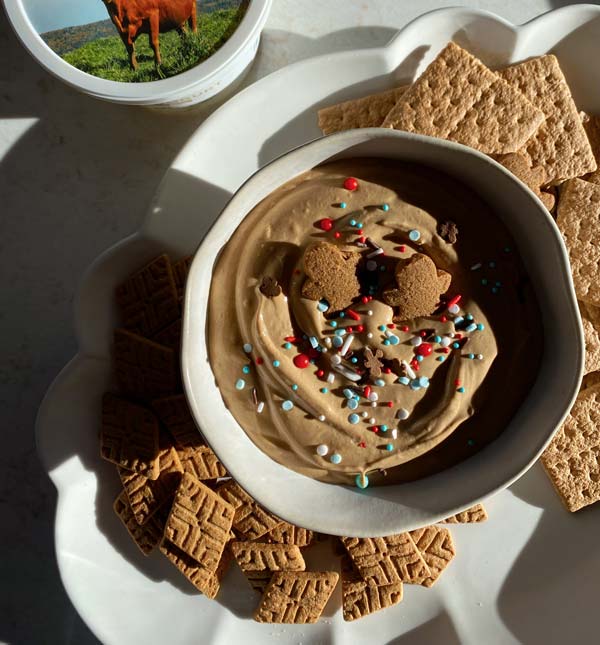
(Family Features) Holiday desserts set the stage for seasonal delight and add a touch of joy to gatherings. From festive cookies to indulgent dips, these delicious desserts bring people together to create memories that will last a lifetime. If you’re looking to impress guests, Santa Cookies are the ultimate treat. Made with Maple Hill Salted Butter, they’re rich, soft and full of festive spirit. For a unique twist, try Gingerbread Dip, featuring vanilla Greek yogurt made with 100% grass-fed organic milk. Whether you’re hosting or deciding what to bring to the potluck, Maple Hill’s 100% grass-fed organic dairy makes it easy to whip up desserts that are as wholesome as they are delicious. Rich in nutrients and free from GMOs, hormones and antibiotics, each product comes from farms that prioritize regenerative practices as nature intended. With a 40% healthier ratio of omega 3:6 and 40% higher levels of CLA fatty acids compared to traditional organic dairy, you can feel good about sweet treats at the holiday table. To find more recipes, visit MapleHill.com.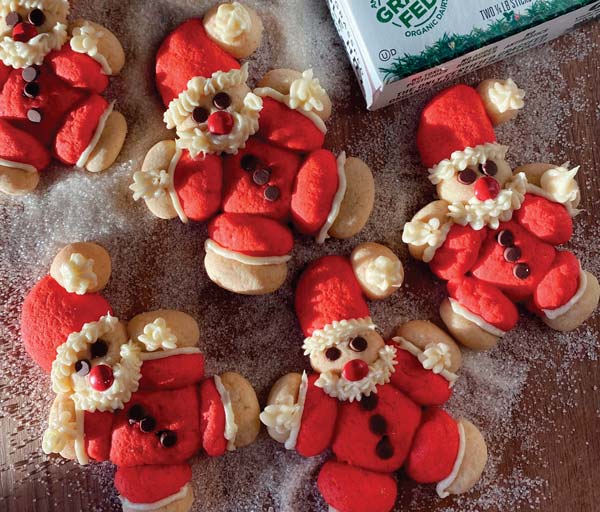
Santa Cookies
Yield: 14 cookies- 1 cup (2 sticks) Maple Hill Salted Butter, at room temperature
- 1/2 cup brown sugar
- 1 tablespoon vanilla extract
- 1 large egg, at room temperature
- 2 1/4 cups all-purpose flour
- 1/4 teaspoon salt
- 1 teaspoon red food coloring
- mini chocolate chips
- mini red chocolate-coated candies
- 1/2 cup (1 stick) Maple Hill Salted Butter, at room temperature
- 4 ounces cream cheese, at room temperature
- 1 teaspoon vanilla extract
- 2 1/2 cups powdered sugar
- Preheat oven to 350 F and line two baking sheets with parchment paper.
- In large mixing bowl, beat butter, sugar and vanilla until light and fluffy. Add egg and beat until combined. Add flour and salt; mix until dough begins to form ball.
- Remove 1 cup dough and set aside. Add red food coloring to remaining dough.
- From red cookie dough, make one 1-inch ball and five 1/2-inch balls. From plain cookie dough, make one 3/4-inch ball and five 1/4-inch balls.
- On prepared baking sheet, place red 1-inch ball and gently flatten until 1/2-inch thick. Attach four red 1/2-inch balls for arms and legs. Attach plain 3/4-inch ball for head and gently flatten until 1/2-inch thick. Attach plain 1/4-inch balls for hands and feet. Shape remaining red 1/2-inch ball into triangle for hat and attach. Repeat with remaining dough, arranging cookies 2 inches apart on baking sheet. Add chocolate candies for eyes and buttons.
- Bake 12-15 minutes, or until lightly golden.
- To make frosting: In medium bowl, beat butter and cream cheese until light and fluffy, about 3 minutes. Add vanilla and powdered sugar; mix until combined.
- To decorate: Place half of frosting in piping bag with small tip to line Santa’s arms and legs. Place other half in second piping bag with small star tip to add Santa’s beard, hat and hands. Put small dot of icing between eyes and beard and place red mini chocolate-coated candy on face for nose.
Gingerbread Dip
Servings: 8-12- 4 ounces cream cheese, at room temperature
- 1/4 cup brown sugar
- 1/4 cup powdered sugar
- 3 tablespoons molasses
- 1 container (16 ounces) Maple Hill Vanilla Greek Yogurt
- 1 teaspoon ground ginger
- 1 teaspoon ground cinnamon
- 1 teaspoon ground nutmeg
- 2 cups whipped cream
- graham crackers
- fruit
- In medium bowl using electric mixer on medium speed, beat cream cheese and sugars about 1 minute. Add molasses and mix until combined.
- Add Greek yogurt, ginger, cinnamon and nutmeg; beat until combined. Fold in whipped cream and mix until fully incorporated. Refrigerate 1 hour before serving or overnight.
- Serve with graham crackers and fruit.
At our core, we at STM Daily News, strive to keep you informed and inspired with the freshest content on all things food and beverage. From mouthwatering recipes to intriguing articles, we’re here to satisfy your appetite for culinary knowledge.
Visit our Food & Drink section to get the latest on Foodie News and recipes, offering a delightful blend of culinary inspiration and gastronomic trends to elevate your dining experience. https://stmdailynews.com/food-and-drink/
Discover more from Daily News
Subscribe to get the latest posts sent to your email.
Family
Festive Blooms: How to Use Popular Christmas Flowers
Christmas Flowers: Whether you’re decorating your space with a wreath or garland, giving a fresh gift or crafting the centerpiece for your holiday table, these festive blooms can bring a touch of nature’s joy to your celebrations and showcase the beauty that thrives even during the coldest season.


Festive Blooms: How to Use Popular Christmas Flowers
Whether you’re decorating your space with a wreath or garland, giving a fresh gift or crafting the centerpiece for your holiday table, these festive blooms can bring a touch of nature’s joy to your celebrations and showcase the beauty that thrives even during the coldest season. Poinsettias One of, if not the most iconic, flowers of the holiday season, poinsettias are recognized by their bright red “blooms,” which are actually colorful bracts surrounding small yellow flowers. A symbol of love, hope and Christmas cheer, poinsettias thrive indoors with bright, indirect light and can be used for holiday decor, festive centerpieces or given as a potted gift. Amaryllis Popular for creating holiday arrangements or as a long-lasting indoor plant, the amaryllis features large, trumpet-shaped flowers in shades of red, white, pink or striped varieties. Grown from a bulb, they bloom year after year with proper care, including during the winter months. Holly Featuring glossy green leaves and bright red berries, holly has been a holiday staple for centuries. The flowers are commonly used in wreaths, garlands and other Christmas arrangements and can be displayed on mantels, doors or around doorways. However, holly berries are toxic if ingested, so keep arrangements away from children and pets. Christmas Rose (Hellebore) With blooms that typically appear around Christmas, the Christmas rose is a perennial that thrives in shaded garden beds, even in cooler weather. It brightens up winter landscapes with its creamy white or pink-tinted flowers, which have come to symbolize hope amid the snow. Paperwhites Ideal for tabletop decor or window displays, paperwhites, a type of narcissus, produce clusters of delicate white blooms with a sweet fragrance. They’re easy to grow from bulbs indoors during the winter months and can add a natural holiday touch to any room by simply placing in decorative containers filled with pebbles and water. Learn more about Christmas flowers and find additional seasonal advice at eLivingtoday.com. Photo courtesy of ShutterstockThe fate of Lucky Supermarkets in SoCalLink: https://stmdailynews.com/the-fate-of-lucky-supermarkets-in-socal/
Discover more from Daily News
Subscribe to get the latest posts sent to your email.





