

health and wellness
NIAAA: Deaths involving alcohol increased during the COVID-19 pandemic
The study showed a 22.4% increase in alcohol-related liver disease deaths, rising from 24,110 to 29,509, with the largest change seen in the 25-44 age group.

Last Updated on May 18, 2024 by Daily News Staff
BETHESDA /PRNewswire/ — Researchers at the National Institute on Alcohol Abuse and Alcoholism (NIAAA) used the national death certificate database to assess changes in alcohol-related deaths during the first year of the pandemic. The results, published in JAMA, show that after increasing around 2.2% per year over the previous two decades, deaths involving alcohol jumped 25.5% between 2019 to 2020, totaling 99,107 deaths.1
The study showed that alcohol-associated liver disease deaths increased 22.4% (from 24,110 to 29,509) with the largest change occurring among people ages 25 to 44. The number of deaths involving a combination of alcohol and opioids increased by 40.8% (from 8,503 to 11,969), with deaths involving alcohol and synthetic opioids (e.g., fentanyl) increasing by 59.2% (from 6,302 to 10,032).1
Reasons for the unprecedented increase in alcohol-related deaths during the first year of the pandemic are still being explored. In 2020, the first year of the pandemic, sales of alcohol increased by 2.9%, the largest annual increase in over 50 years.2 For those who were drinking more during the pandemic, research suggests that stress, anxiety, and previous alcohol misuse are contributing factors.3,4,5,6
The increase in alcohol-related deaths appears to reflect a widespread increase in alcohol consumption and related harms. For example, research suggests that increased alcohol consumption during the pandemic has been associated with negative health outcomes such as increases in transplants for alcohol-associated liver disease,7 emergency department visits for alcohol withdrawal,8 and the percentage of emergency department visits that involved acute alcohol consumption.9 Additionally, the National Highway Traffic Safety Administration reported a 14% increase in alcohol-related traffic fatalities in 2020 after decades of general decline.10
Researchers noted that deaths involving alcohol reflect hidden tolls of the pandemic. Increased drinking to cope with pandemic-related stressors, shifting alcohol policies, and disrupted treatment access are all possible contributing factors.
For more information, visit https://www.niaaa.nih.gov/
References:
1 White, A. M.; Castle, I. P.; Powell, P. A.; Hingson, R. W.; Koob, G. F. Alcohol-Related Deaths During the COVID-19 Pandemic. JAMA, 327(17), 1704–1706, 2022. PMID: 35302593
2 Slater, M.E.; Alpert, H.F. Surveillance Report #119: Apparent Per Capita Alcohol Consumption: National, State, and Regional Trends, 1977-2020. Sterling, VA: NIAAA, Division of Epidemiology and Prevention Research, April 2022. https://pubs.niaaa.nih.gov/publications/surveillance119/CONS20.htm . Accessed June 30, 2022.
3 Acuff, S. F.; Strickland, J. C.; Tucker, J. A.; Murphy, J. G. Changes in alcohol use during COVID-19 and associations with contextual and individual difference variables: A systematic review and meta-analysis. Psychology of addictive behaviors : journal of the Society of Psychologists in Addictive Behaviors, 36(1), 1–19, 2022. PMID: 34807630
4 Capasso, A.; Jones, A. M.; Ali, S. H.; et al. Increased alcohol use during the COVID-19 pandemic: The effect of mental health and age in a cross-sectional sample of social media users in the U.S. Preventive medicine, 145, 106422, 2021. PMID: 33422577
5 Grossman, E. R.; Benjamin-Neelon, S. E.; Sonnenschein, S. Alcohol Consumption during the COVID-19 Pandemic: A Cross-Sectional Survey of US Adults. International journal of environmental research and public health, 17(24), 9189, 2020. PMID: 33316978
6 Rodriguez, L. M.; Litt, D. M.; Stewart, S. H. Drinking to cope with the pandemic: The unique associations of COVID-19-related perceived threat and psychological distress to drinking behaviors in American men and women. Addictive behaviors, 110, 106532, 2020. PMID: 32652385
7 Cholankeril, G.; Goli, K.; Rana, A.; et al. Impact of COVID-19 Pandemic on Liver Transplantation and Alcohol-Associated Liver Disease in the USA. Hepatology (Baltimore, Md.), 74(6), 3316–3329, 2021. PMID: 34310738
8 Sharma, R. A.; Subedi, K.; Gbadebo, B. M.; et al. Alcohol Withdrawal Rates in Hospitalized Patients During the COVID-19 Pandemic. JAMA network open, 4(3), e210422, 2021. PMID: 33656526
9 Esser, M. B.; Idaikkadar, N.; Kite-Powell, A.; et al. Trends in emergency department visits related to acute alcohol consumption before and during the COVID-19 pandemic in the United States, 2018-2020. Drug and alcohol dependence reports, 3, 100049, 2022. PMID: 35368619
10 National Center for Statistics and Analysis, National Highway Traffic Safety Administration. Overview of Motor Vehicle Crashes in 2020. Washington, D.C.: U.S. Department of Transportation, 2019. https://crashstats.nhtsa.dot.gov/Api/Public/ViewPublication/813266. Accessed June 30, 2022.
SOURCE National Institute on Alcohol Abuse and Alcoholism
https://stmdailynews.com/category/entertainment/amusement-and-theme-parks
Author


Lifestyle
How to Practice Thoughtful Grief Etiquette Online
Grief experts advise caution in sharing condolences and loss-related information on social media, emphasizing the importance of prioritizing the grieving family’s needs. Thoughtful posting practices include waiting for family approval, reaching out privately first, and avoiding speculation about the cause of death. Compassionate communication is essential in these sensitive situations.
Last Updated on March 31, 2026 by Daily News Staff
(Feature Impact) News of a death can spread online in seconds – often before families have notified close family members privately. That’s why grief experts urge people to rethink how they share condolences, tributes and loss-related information on social media, particularly during the winter months when grief can feel especially isolating.
“Grief etiquette is about putting the needs of the grieving family first, not our urge to say something publicly,” said Dr. Camelia L. Clarke, National Funeral Directors Association (NFDA) spokesperson, funeral director and grief educator with nearly 30 years of experience. “Just because information can be shared instantly doesn’t mean it should be.”
Social media has become a common place for sharing condolences, tributes and memories. However, grief experts caution that, without thoughtful consideration, online posts can unintentionally cause harm. Knowing when to post, what to say and when to remain silent can make a meaningful difference for families experiencing loss.
Consider this advice from the experts at the NFDA.
Grief Etiquette in the Digital Age
Grief etiquette refers to the unspoken guidelines for how individuals acknowledge death, loss and mourning, particularly online.
According to Clarke, one of the most important principles is restraint.
“When a death is shared online too quickly, families can feel exposed and overwhelmed at a moment when they’re still processing the loss themselves,” she said. “Waiting is an act of compassion.”
Best Practices for Posting About Loss Online
As social media continues to play a role in modern mourning, grief professionals encourage users to pause before posting and consider a few key guidelines:
- Let the family lead. Don’t post about a death until the immediate family has made it public.
- Ask permission. Obtain consent before sharing photos, stories or tributes.
- Reach out privately first. A direct message, call or handwritten note can be more meaningful than a public comment.
- Avoid speculation. Don’t ask about or share details regarding the cause of death.
- Offer ongoing support. Grief extends far beyond the first days or weeks after a loss.
What to Say (and Avoid)
When expressing condolences online, experts recommend simplicity, sincerity and sensitivity. Messages that acknowledge loss without attempting to explain or minimize it are often the most supportive.
Helpful phrases include:
- “I’m sorry for your loss.”
- “Thinking of you and your family.”
- “I’m here if you want to talk or need anything.”
By contrast, well-meaning cliches can unintentionally cause harm. Phrases such as “They’re in a better place” or “Everything happens for a reason” may reflect the speaker’s beliefs, but they can feel dismissive to someone grieving.
“Grieving people don’t need answers – they need presence,” Clarke said. “Listening matters more than saying the perfect thing.”
Resources for Families and Friends
As digital spaces continue to shape how people communicate during life’s most difficult moments, experts agree empathy, patience and respect remain timeless.
“Grief is deeply personal,” Clarke said. “When we slow down and lead with compassion, we honor both the person who has died and those who are left to grieve.”
To learn more about how to support a grieving person and access free, expert-reviewed resources for navigating grief, expressing condolences and supporting loved ones before, during and after a loss, visit RememberingALife.com, an initiative of the NFDA.
Photo courtesy of Shutterstock
<img src="https://ssl.google-analytics.com/collect?v=1&tid=UA-482330-7&cid=1955551e-1975-5e52-0cdb-8516071094cd&sc=start&t=pageview&dl=http%3A%2F%2Ftrack.familyfeatures.com%2F17832%2F10240&dt=HOW-TO-PRACTICE-THOUGHTFUL-GRIEF-ETIQUETTE-ONLINE" />
<img src="https://erp.featureimpact.com/api/v1/tracking/17832/10240/track.gif" />SOURCE:

Last Updated on March 27, 2026 by Daily News Staff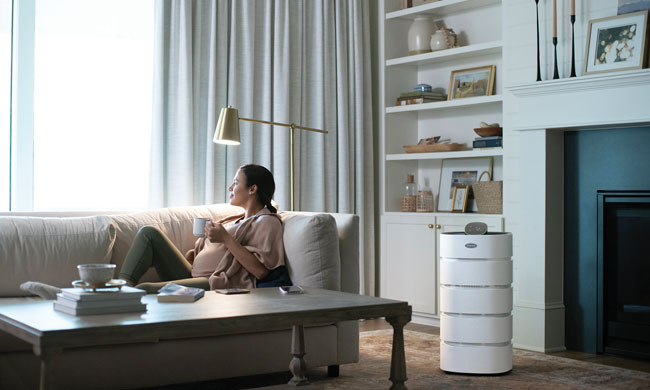
4 Simple Ways to Keep Allergy Season at Bay
(Family Features) With warmer outdoor temperatures, many homeowners suffer through longer allergy seasons. In fact, allergy days have increased by 20 days, according to a study conducted by the National Academy of Sciences.
Being aware of air quality indexes and limiting time outdoors can lessen exposure to airborne pollutants, but indoor air quality is also a concern. In a report from the U.S. Environmental Protection Agency, levels of indoor pollutants can be 2-5 times higher than outdoor air.
People spend nearly two-thirds of their lives at home, according to Carrier, which developed its Healthy Homes Program to help homeowners create indoor environments that optimize health and wellness. Consider these ways you can combat pollutants where it matters most: your home’s indoor air quality.
Reduce Indoor Pollutants
Your home has multiple sources of indoor air pollutants. While avoiding these pollutants altogether is often the best solution, it’s not always possible. However, there are a few ways you can reduce exposure in your home: ban indoor smoking; turn on exhaust fans when cooking; minimize or remove “soft” pollutant gathering surfaces such as decorative pillows, stuffed animals and decorative throws; and regularly clean all heating and air conditioner filters as required or according to manufacturer specifications.
Add Air Purifiers to Your HVAC Unit
While air purifiers don’t treat allergies, they can help filter out allergens that can cause allergy symptoms. Homeowners might consider purifiers that are highly effective at capturing particulate. For example, the Carrier Infinity air purifier is a whole-home heating and cooling system. It not only captures 95% of particles in micron size range 1.0-3.0, but also inactivates 99% of select airborne germs and viruses that flow through the HVAC system and become trapped in the MERV 15 filter. The purifier has also demonstrated effectiveness against the murine coronavirus – similar to the human novel coronavirus (SARS-CoV-2) that causes COVID-19 – based on third-party testing, as well as the type of viruses that cause the common cold, streptococcus pyogenes and influenza.
Control Humidity
Many people know high humidity can cause discomfort in hot temperatures, but there are other potentially negative impacts. According to the Centers for Disease Control and Prevention, dust mites thrive in 70-80% humidity and temperatures between 75-85 F. Additionally, high humidity can provide an environment conducive to mold growth, which is why maintaining relative indoor humidity between 40-60% is recommended to keep dust mites and mold at bay. To help control humidity, run the air conditioner when it’s hot and humid and consider using whole-home humidifiers and dehumidifiers that allow for specific settings for moisture control.
Consider Room Air Purifiers for Individual Spaces
Room air purifiers are portable and highly efficient solutions for smaller spaces such as nurseries, bedrooms, home gyms and added rooms. One example is the Carrier Smart Room Air Purifier with a built-in indoor air quality monitor that includes three levels of filtration, including an activated carbon filter to capture odors. The attached, color-coded air quality monitor measures and displays pollutant levels so homeowners can be informed and aware of the quality of their indoor air, giving them the ability to maintain next-level comfort while breathing cleaner air.
Creating your ideal home environment is more than just controlling the temperature. Your home’s air should be filtered and pollutants limited to minimize allergy triggers and promote good indoor air quality.
To learn more and get an estimate on a solution that’s right for you, visit carrier.com/residential.
SOURCE:
Carrier
https://stmdailynews.com/category/lifestyle/
Author

fitness
Walk More to Stress Less: Get Moving to Improve Well-Being
Sitting for over eight hours daily increases health risks like cardiovascular disease and obesity. Incorporating just 20 minutes of daily physical activity, such as walking, can enhance both mental and physical well-being. Engaging in enjoyable activities, walking with pets, or friends boosts motivation and overall happiness while reducing stress.
Last Updated on March 27, 2026 by Daily News Staff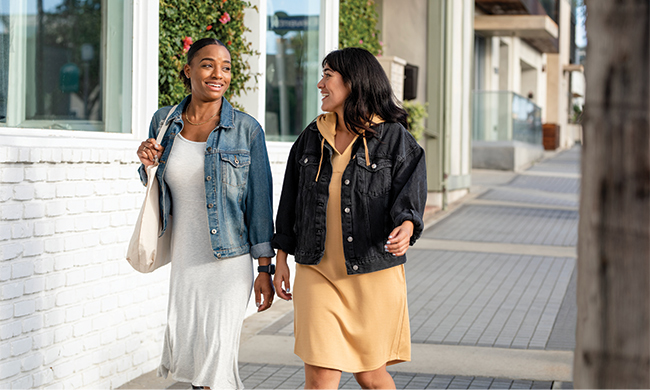
(Feature Impact) More than 10 years ago, a mere five words frightened desk jockeys everywhere: “sitting is the new smoking.” Still, many people across the U.S. are walking less than they used to. Long days spent sitting can take a toll over time, negatively impacting bodies and minds.
Research from the American Heart Association shows 1 in 4 adults in the United States sits for longer than 8 hours each day, leading to an increased risk of cardiovascular disease, obesity, Type 2 diabetes, certain cancers and premature death.
Feeling stretched by the demands of everyday life is common. However, simply adding just 20 minutes of daily physical activity may reduce the risk of disease and improve mental health, according to research published in “JAMA Internal Medicine.” Additionally, being physically active reaps many benefits down the road. It keeps your mind sharp as you age; studies show higher levels of fitness are linked to better attention, learning, working memory and problem solving. It also slashes risk of depression and boosts an all-around sense of joy.
Research continues to show physical activity, like walking, reduces stress, boosts mood and promotes overall well-being. This year, in honor of National Walking Day – created by the American Heart Association more than 10 years ago to encourage more movement throughout the day and help people live longer, healthier lives, one step at a time – consider these ideas to get your body moving to help lower stress, improve sleep, lift your mood and support both mental and physical health.
Step into the Great Outdoors
Slipping on a pair of comfortable walking shoes and heading outside is a simple way to get more movement in your life. Walking outside has the added benefits of helping reduce stress, improving mood and boosting cardiovascular health. Sunshine also provides a boost of vitamin D and immune support.
Make It Fun
 Think of movement as something you give yourself, by moving more your way. When you choose activities you enjoy, it becomes easier to make them part of your day. If you can’t find 20 minutes for a walk outside, even short bursts of movement can help. Walking in place at a brisk pace, walking up and down the stairs in your home, finding a quick dance workout online or even seated exercises and stretch breaks throughout the day can help you feel more refreshed and ready to take on everyday tasks, like cooking and running errands.
Walk with a Furry Friend
Pets can be a great motivator to get moving. Plus, taking your furry friend for a stroll can support heart health, lower stress and boost overall happiness. In fact. a study published in the “Journal of Physical Activity and Health” shows dog owners are 34% more likely to reach their fitness goals and get the recommended amount of physical activity than those who don’t have a dog. Walking with your pet can also lead to more social connection, such as meeting neighbors or other pet owners.
Pound the Pavement with a Pal
Walking solo can be good for introspection, but bringing a friend, family member or coworker can make the time pass more quickly and add connection to your routine. Explore a greenway, waterfront or indoor mall for a fresh way to get some steps. If a loved one isn’t available to join you, make a phone call while you walk or take a meeting or conference call outdoors if your work allows it.
Every step counts. Visit Heart.org/movemore for more tips to get moving.
Photos courtesy of Shutterstock

SOURCE:
Our Lifestyle section on STM Daily News is a hub of inspiration and practical information, offering a range of articles that touch on various aspects of daily life. From tips on family finances to guides for maintaining health and wellness, we strive to empower our readers with knowledge and resources to enhance their lifestyles. Whether you’re seeking outdoor activity ideas, fashion trends, or travel recommendations, our lifestyle section has got you covered. Visit us today at https://stmdailynews.com/category/lifestyle/ and embark on a journey of discovery and self-improvement.





