

Food and Beverage
Seed oils are toxic, says Robert F. Kennedy Jr. – but it’s not so simple


Mary J. Scourboutakos, University of Toronto
Robert F. Kennedy Jr., who is expected to clear the final hurdles in his confirmation as President Donald Trump’s health secretary, and a host of health influencers have proclaimed that widely used cooking oils such as canola oil and soybean oil are toxic.
T-shirts sold by his “Make America Healthy Again” campaign now include the slogan, “make frying oil tallow again” – a reference to the traditional use of rendered beef fat for cooking.
Seed oils have become a mainstay of the American diet because unlike beef tallow, which is comprised of saturated fats that increase cholesterol levels, seed oils contain unsaturated fats that can decrease cholesterol levels. In theory, that means they should reduce the risk of heart disease.
But research shows that different seed oils have varying effects on risk for heart disease. Furthermore, seed oils have also been shown to increase risk for migraines. This is likely due to their high levels of omega-6 fatty acids. These fats can increase inflammation, a heightened and potentially harmful state of immune system activation.
As a family physician with a Ph.D. in nutrition, I translate the latest nutrition science into dietary recommendations for my patients. When it comes to seed oils, the research shows that their health effects are more nuanced than headlines and social media posts suggest.
How seed oils infiltrated the American diet
Seed oils — often confusingly referred to as “vegetable oils” — are, as the name implies, oils extracted from the seeds of plants. This is unlike olive oil and coconut oil, which are derived from fruits. People decrying their widespread use often refer to the “hateful eight” top seed oil offenders: canola, corn, soybean, cottonseed, grapeseed, sunflower, safflower and rice bran oil.
These oils entered the human diet at unprecedented levels after the invention of the mechanical screw press in 1888 enabled the extraction of oil from seeds in quantities that were never before possible.
Between 1909 and 1999, U.S. consumption of soybean oil increased 1,000 times. This shift fundamentally changed our biological makeup. Due to increased seed oil intake, in the past 50 years the concentration of omega-6 fatty acids that Americans carry around in their fatty tissue has increased by 136%
https://datawrapper.dwcdn.net/rFwW9/1
Evaluating the omega-6 to omega-3 fatty acid ratio
Omega-6 and omega-3 fatty acids are essential nutrients that control inflammation. While omega-6s tend to produce molecules that boost it, omega-3s tend to produce molecules that tone it down. Until recently, people generally ate equal amounts of omega-6 and omega-3 fatty acids. However, over the past century, this ratio has changed. Today, people consume 15 times more omega-6s than omega-3s, partly due to increased consumption of seed oils.
In theory, seed oils can cause health problems because they contain a high absolute amount of omega-6 fatty acids, as well as a high omega-6 to omega-3 ratio. Studies have linked an increased omega-6 to omega-3 ratio to a wide range of conditions, including mood disorders, knee pain, back pain, menstrual pain and even preterm birth. Omega-6 fatty acids have also been implicated in the processes that drive colon cancer.
However, the absolute omega-6 level and the omega-6 to omega-3 ratio in different seed oils vary tremendously. For example, safflower oil and sunflower oil have ratios of 125:1 and 91:1. Corn oil’s ratio is 50:1. Meanwhile, soybean oil and canola oil have lower ratios, at 8:1 and 2:1, respectively.
Scientists have used genetic modification to create seed oils like high oleic acid canola oil that have a lower omega-6 to 3 ratio. However, the health benefit of these bioengineered oils is still being studied.
The upshot on inflammation and health risks
Part of the controversy surrounding seed oils is that studies investigating their inflammatory effect have yielded mixed results. One meta-analysis synthesizing the effects of seed oils on 11 inflammatory markers largely showed no effects – with the exception of one inflammatory signal, which was significantly elevated in people with the highest omega-6 intakes.
To complicate things further, genetics also plays a role in seed oils’ inflammatory potential. People of African, Indigenous and Latino descent tend to metabolize omega-6 fatty acids faster, which can increase the inflammatory effect of consuming seed oils. Scientists still don’t fully understand how genetics and other factors may influence the health effects of these oils.
The effect of different seed oils on cardiovascular risk
A review of seven randomized controlled trials showed that the effect of seed oils on risk of heart attacks varies depending on the type of seed oil.
This was corroborated by data resurrected from tapes dug up in the basement of a researcher who in the 1970s conducted the largest and most rigorously executed dietary trial to date investigating the replacement of saturated fat with seed oils. In that work, replacing saturated fats such as beef tallow with seed oils always lowers cholesterol, but it does not always lower risk of death from heart disease.
Taken together, these studies show that when saturated fats such as beef tallow are replaced with seed oils that have lower omega-6 to omega-3 ratios, such as soybean oil, the risk of heart attacks and death from heart disease falls. However, when saturated fats are replaced with seed oils with a higher omega-6 to omega-3 ratio, such as corn oil, risk of death from heart disease rises.
Interestingly, the most highly purchased seed oil in the United States is soybean oil, which has a more favorable omega-6 to 3 ratio of 8:1 – and studies show that it does lower the risk of heart disease.
However, seed oils with less favorable ratios, such as corn oil and safflower oil, can be found in countless processed foods, including potato chips, frozen dinners and packaged desserts. Nevertheless, other aspects of these foods, in addition to their seed oil content, also make them unhealthy.
The case for migraines – and beyond
A rigorous randomized controlled trial – the gold standard for clinical evidence – showed that diets high in omega-3 fatty acids and low in omega-6 fatty acids, hence low in seed oils, significantly reduced the risk of migraines
In the study, people who stepped up their consumption of omega-3 fatty acids by eating fatty fish such as salmon experienced an average of two fewer migraines per month than usual, even if they did not change their omega-6 consumption. However, if they reduced their omega-6 intake by switching out corn oil for olive oil, while simultaneously increasing their omega-3 intake, they experienced four fewer migraines per month.
That’s a noteworthy difference, considering that the latest migraine medications reduce migraine frequency by approximately two days per month, compared to a placebo. Thus, for migraine sufferers — 1 in 6 Americans — decreasing seed oils, along with increasing omega-3 intake, may be even more effective than currently available medications.
Overall, the drastic way in which omega-6 fatty acids have entered the food supply and fundamentally changed our biological composition makes this an important area of study. But the question of whether seed oils are good or bad is not black and white. There is no basis to conclude that Americans would be healthier if we started frying everything in beef tallow again, but there is an argument for a more careful consideration of the nuance surrounding these oils and their potential effects.
Mary J. Scourboutakos, Adjunct Lecturer in Family and Community Medicine, University of Toronto
This article is republished from The Conversation under a Creative Commons license. Read the original article.
Discover more from Daily News
Subscribe to get the latest posts sent to your email.








Food and Beverage
Unwrap the Holidays: Whataburger Launches 12 Days of Whatacheer With Daily App Deals
Celebrate the holidays with Whataburger’s 12 Days of Whatacheer! Discover daily in-app deals, exclusive to Rewards members, from December 12–23. Unwrap new menu favorites, BOGO offers, and festive savings—only on the Whataburger App.


12 Days of Whatacheer: Festive Deals for Rewards Members
How It Works
- Who: Whataburger Rewards members (sign up in the app if you’re not already!)
- When: December 12–23, with a new offer every day
- How: Open the Whataburger App, claim the day’s deal, and enjoy with your next order

Holiday-themed graphic reading ‘12 Days of WhataCheer’ on a red background with white dots. Below the text are images of Whataburger menu items: a Cinnamon Roll, Onion Rings, a Whataburger, a Whatafresher, a Honey Butter Chicken Biscuit, and a Strawberry Shake.
Why Join the Whataburger Rewards Fun?
Get Started
Authors


Discover more from Daily News
Subscribe to get the latest posts sent to your email.
recipes
A Sweet, Seasonal Spice Cake
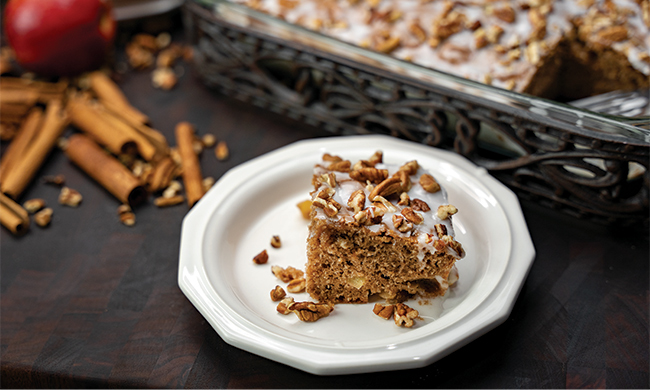
Pumpkin spice may be all the rage this time of year, but don’t forget another fruit that’s sure to please: sweet, delicious apples. For an ooey-gooey breakfast, office snack or potluck dessert, turn to this Apple Spice Cake.

A Sweet, Seasonal Spice Cake
(Family Features) Pumpkin spice may be all the rage this time of year, but don’t forget another fruit that’s sure to please: sweet, delicious apples. For an ooey-gooey breakfast, office snack or potluck dessert, turn to this Apple Spice Cake that looks and tastes like it’s made for the season. Visit Culinary.net to discover more recipe inspiration.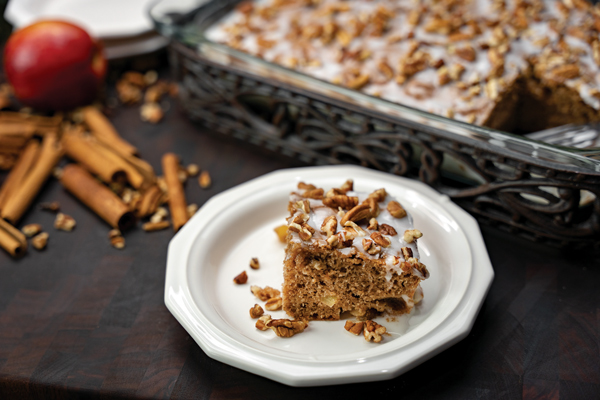
Apple Spice Cake
Recipe courtesy of “Cookin’ Savvy”- 2 apples
- 3 tablespoons brown sugar
- 1 tablespoon cinnamon
- 1 tablespoon flour (optional)
- 1 box spice cake mix
- 1 stick butter, melted
- 4 eggs
- 1 cup milk
- 1 1/2 cups powdered sugar
- 2-3 tablespoons milk
- 1 cup chopped pecans
- Heat oven to 350 F.
- Peel, core and chop apples into bite-sized pieces. In bowl, mix apples with brown sugar, cinnamon and flour, if desired, which helps keep apples from sinking to bottom. Set aside.
- In large mixing bowl, mix spice cake mix, butter, eggs and milk. Mix in apples and pour into 9-by-13-inch pan. Bake 30-35 minutes, or until toothpick inserted in center comes out clean.
- Let cool.
- To make glaze: Mix powdered sugar and milk; pour over cooled cake.
- Top with pecans.
The fate of Lucky Supermarkets in SoCalLink: https://stmdailynews.com/the-fate-of-lucky-supermarkets-in-socal/
Discover more from Daily News
Subscribe to get the latest posts sent to your email.
Recipe of the Week
Holiday Desserts Just Got a Dairy-Forward Upgrade
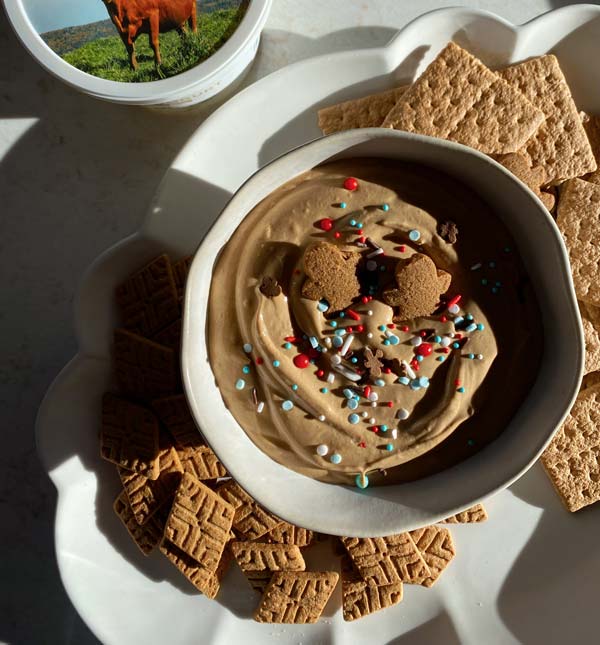
Holiday Desserts: From festive cookies to indulgent dips, these delicious desserts bring people together to create memories that will last a lifetime. If you’re looking to impress guests, Santa Cookies are the ultimate treat. For a unique twist, try Gingerbread Dip, featuring vanilla Greek yogurt made with 100% grass-fed organic milk.

Last Updated on December 17, 2025 by Rod Washington

Holiday Desserts Just Got a Dairy-Forward Upgrade
(Family Features) Holiday desserts set the stage for seasonal delight and add a touch of joy to gatherings. From festive cookies to indulgent dips, these delicious desserts bring people together to create memories that will last a lifetime. If you’re looking to impress guests, Santa Cookies are the ultimate treat. Made with Maple Hill Salted Butter, they’re rich, soft and full of festive spirit. For a unique twist, try Gingerbread Dip, featuring vanilla Greek yogurt made with 100% grass-fed organic milk. Whether you’re hosting or deciding what to bring to the potluck, Maple Hill’s 100% grass-fed organic dairy makes it easy to whip up desserts that are as wholesome as they are delicious. Rich in nutrients and free from GMOs, hormones and antibiotics, each product comes from farms that prioritize regenerative practices as nature intended. With a 40% healthier ratio of omega 3:6 and 40% higher levels of CLA fatty acids compared to traditional organic dairy, you can feel good about sweet treats at the holiday table. To find more recipes, visit MapleHill.com.
Santa Cookies
Yield: 14 cookies- 1 cup (2 sticks) Maple Hill Salted Butter, at room temperature
- 1/2 cup brown sugar
- 1 tablespoon vanilla extract
- 1 large egg, at room temperature
- 2 1/4 cups all-purpose flour
- 1/4 teaspoon salt
- 1 teaspoon red food coloring
- mini chocolate chips
- mini red chocolate-coated candies
- 1/2 cup (1 stick) Maple Hill Salted Butter, at room temperature
- 4 ounces cream cheese, at room temperature
- 1 teaspoon vanilla extract
- 2 1/2 cups powdered sugar
- Preheat oven to 350 F and line two baking sheets with parchment paper.
- In large mixing bowl, beat butter, sugar and vanilla until light and fluffy. Add egg and beat until combined. Add flour and salt; mix until dough begins to form ball.
- Remove 1 cup dough and set aside. Add red food coloring to remaining dough.
- From red cookie dough, make one 1-inch ball and five 1/2-inch balls. From plain cookie dough, make one 3/4-inch ball and five 1/4-inch balls.
- On prepared baking sheet, place red 1-inch ball and gently flatten until 1/2-inch thick. Attach four red 1/2-inch balls for arms and legs. Attach plain 3/4-inch ball for head and gently flatten until 1/2-inch thick. Attach plain 1/4-inch balls for hands and feet. Shape remaining red 1/2-inch ball into triangle for hat and attach. Repeat with remaining dough, arranging cookies 2 inches apart on baking sheet. Add chocolate candies for eyes and buttons.
- Bake 12-15 minutes, or until lightly golden.
- To make frosting: In medium bowl, beat butter and cream cheese until light and fluffy, about 3 minutes. Add vanilla and powdered sugar; mix until combined.
- To decorate: Place half of frosting in piping bag with small tip to line Santa’s arms and legs. Place other half in second piping bag with small star tip to add Santa’s beard, hat and hands. Put small dot of icing between eyes and beard and place red mini chocolate-coated candy on face for nose.
Gingerbread Dip
Servings: 8-12- 4 ounces cream cheese, at room temperature
- 1/4 cup brown sugar
- 1/4 cup powdered sugar
- 3 tablespoons molasses
- 1 container (16 ounces) Maple Hill Vanilla Greek Yogurt
- 1 teaspoon ground ginger
- 1 teaspoon ground cinnamon
- 1 teaspoon ground nutmeg
- 2 cups whipped cream
- graham crackers
- fruit
- In medium bowl using electric mixer on medium speed, beat cream cheese and sugars about 1 minute. Add molasses and mix until combined.
- Add Greek yogurt, ginger, cinnamon and nutmeg; beat until combined. Fold in whipped cream and mix until fully incorporated. Refrigerate 1 hour before serving or overnight.
- Serve with graham crackers and fruit.
At our core, we at STM Daily News, strive to keep you informed and inspired with the freshest content on all things food and beverage. From mouthwatering recipes to intriguing articles, we’re here to satisfy your appetite for culinary knowledge.
Visit our Food & Drink section to get the latest on Foodie News and recipes, offering a delightful blend of culinary inspiration and gastronomic trends to elevate your dining experience. https://stmdailynews.com/food-and-drink/
Discover more from Daily News
Subscribe to get the latest posts sent to your email.





