

Consumer Corner
Set on Stone: An on-trend guide to regional aesthetics and durable design
Manufactured stone veneer (MSV) offers versatile design options inspired by regional aesthetics. Homeowners increasingly prefer MSV for its affordability, durability, and ability to blend with local architecture, enhancing curb appeal. Different regions feature distinct styles reflecting their unique environments and traditions.

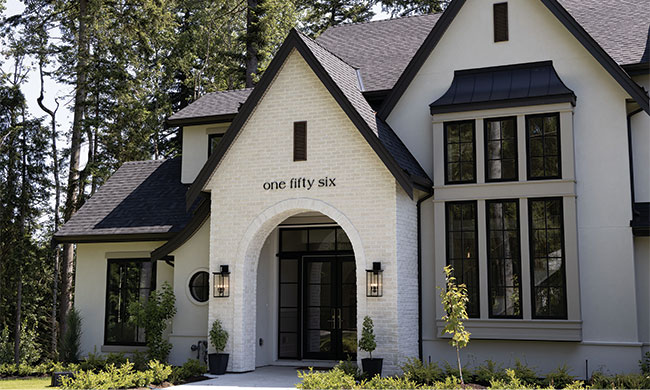
Set on Stone: An on-trend guide to regional aesthetics and durable design
(Family Features) Manufactured stone veneer (MSV) brings timeless design to any space, but it’s far from “one size fits all.” Styles, colors and texture preferences often vary by geography, climate and architectural tradition.
Today, homeowners, builders and designers alike are increasingly drawn to regionally inspired looks that complement local landscapes and home styles. As trends evolve, MSV has risen in popularity for its versatility and ability to reliably embody authentic regional materials. The styles that dominated a few years ago have shifted, giving way to fresh combinations of palettes and textures.
Selecting the right stone allows projects to blend seamlessly with their surroundings, enhancing both curb appeal and resale value. Regional architecture can serve as a helpful guide, whether your inspiration comes from coastal cottages, Southwestern adobes, New England farmhouses or Midwest craftsman homes.
While some homeowners use quarried natural stone to achieve the look they desire, MSV offers a cost-effective alternative with serious durability and minimal maintenance.
With consistent quality, easy installation and a wide range of options, Westlake Royal Stone Solutions’ multiple product lines make it simple to achieve authentic, regionally inspired designs. The Eldorado Stone collection, for instance, features everything from coral stone and rustic fieldstone to meticulously handcrafted brick, wood-look textures and more.
Whether you’re looking to embrace styles from your own region or draw inspiration from another part of the country, these insights can help you craft a design aesthetic that feels both current and connected.
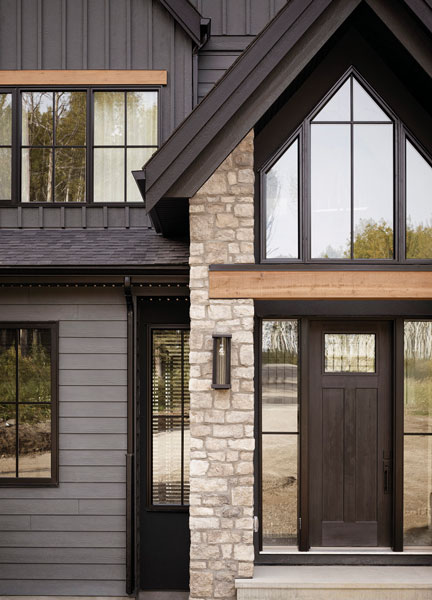 Northeast: Aesthetics tend toward warmth with neutral colors and natural materials that reflect the coastal geography and design elements that echo the local environment. Natural materials like wood and stone are common, as are distressed or weathered looks that lend an antique or vintage feel. When it comes to stonework, in this region you can expect to find an array of cool grays, ledgestone profiles and rugged textures echoing historic masonry.
Southeast: The timeless charm of a Southern home blends numerous elements to create a look that is inviting but still traditional. Symmetrical facades, architectural details like porches or columns and rich wood accents are popular choices, as are earthy tones, brick and wood accents. Stone aesthetics lean toward warmer earth tones and tumbled looks that complement brick blends and traditional styles.
Midwest: Look for simple designs with clean edges, neutral tones and natural materials. Decor leans toward rustic or country with touches that elicit a feeling of comfort and relaxation. Neutral or mixed-tone fieldstones and contemporary stacked stone profiles are particularly popular for both interior and exterior elements of craftsman or transitional homes.
Southwest: Contrary to the perception of a drab brown desert, local geography lends character to design with vibrant earthy palettes. Natural woodwork textures that contrast with rustic features like metals create a distinctive aesthetic. Lighter, sandy hues of stonework and smooth or elongated profiles that reflect desert landscapes and Spanish-influenced architecture are common among Southwest homes.
West Coast: Further west, you’ll see a transition from warm, desert-inspired neutrals to cooler, ocean-like tones. Architecture leans toward modernism with a casual, relaxed vibe. Designs that promote a seamless flow between indoor and outdoor living are common. Complementing organic wood and natural textile selections are often modern, linear styles with cooler neutrals and greige palettes for clean, coastal or urban designs.
Find more inspiration and tips to bring regionally inspired, on-trend MSV into your next home project at westlakeroyalbuildingproducts.com.
Practical Tips for Choosing Stone Veneer
MSV can add eye-catching ambiance to your home, whether you’re using it inside or out, for a big statement or subtle accent. It’s a popular choice due to its durability and affordability. MSV also comes in a range of options, making it easy to find a match for your home’s design.
- Look at nearby historic and new builds to guide your palette and profile selection.
- Consider how your selection will integrate with your home’s complementary materials, such as brick, siding, exposed wood or trim, and colors.
- Work with local dealers or design professionals to help you pinpoint region-specific recommendations.
Photos courtesy of Westlake Royal Building Products
SOURCE:
Westlake Royal Building Products
Welcome to the Consumer Corner section of STM Daily News, your ultimate destination for savvy shopping and informed decision-making! Dive into a treasure trove of insights and reviews covering everything from the hottest toys that spark joy in your little ones to the latest electronic gadgets that simplify your life. Explore our comprehensive guides on stylish home furnishings, discover smart tips for buying a home or enhancing your living space with creative improvement ideas, and get the lowdown on the best cars through our detailed auto reviews. Whether you’re making a major purchase or simply seeking inspiration, the Consumer Corner is here to empower you every step of the way—unlock the keys to becoming a smarter consumer today!




home improvement
How to Get Rid of Ants Naturally: A Non-Toxic Arizona Homeowner’s Guide
Learn how to get rid of ants naturally in Arizona using safe, non-toxic methods like vinegar, diatomaceous earth, and boiling water.

Ants are a common problem across Arizona, especially in cities like Tempe where hot, dry conditions push them indoors in search of water. While chemical pesticides can be effective, many homeowners are now turning to safer, non-toxic solutions that protect both families and pets.
The good news? You can eliminate ants naturally—and effectively—by targeting their behavior, not just the insects themselves.
🌵 Why Ants Invade Arizona Homes
Unlike ants in cooler climates, desert species are often more attracted to moisture than food. That means kitchens, bathrooms, and even air conditioning units can become hotspots for activity.
Some species, including Argentine ants, can form large colonies with multiple nests, making them especially persistent.
🧼 Step 1: Kill Ants and Erase Their Trails
The first step is immediate control.
Vinegar Solution (50/50 water and white vinegar):
- Kills ants on contact
- Eliminates scent trails that guide other ants
Spray directly on visible ants and along baseboards, then wipe clean.
🧂 Step 2: Use Natural Killers That Work Over Time
Diatomaceous Earth (Food Grade)
A fine, natural powder that:
- Dehydrates ants as they walk through it
- Works as a long-term barrier
Apply lightly around entry points, cracks, and under appliances.
Baking Soda + Powdered Sugar
- Mix equal parts and place near ant trails
- Ants carry it back to the colony
- Slowly eliminates the nest from within
🌊 Step 3: Destroy Outdoor Colonies
For long-term success, you must go beyond what you see indoors.
Look for small dirt mounds in:
- Yards
- Sidewalk cracks
- Along foundations
Boiling water method:
- Pour directly into nests
- Repeat daily if needed
- Highly effective and completely chemical-free
🌿 Step 4: Create Natural Barriers
Ants rely heavily on scent trails. Disrupting them helps prevent reinvasion.
Try:
- Lemon juice along entry points
- Cinnamon or peppermint oil near doors and windows
- Regular vinegar wipe-downs
🔒 Step 5: Make Your Home Less Attractive
In Arizona, water is often the biggest draw.
Reduce attraction by:
- Fixing leaks
- Keeping counters dry
- Storing food in airtight containers
- Removing pet water overnight
- Taking out trash frequently
⏱️ What to Expect
- Within 24–48 hours: Fewer ants
- Within a week: Major reduction in activity
- Ongoing: Occasional reappearances (due to nearby colonies)
Consistency is key.
The most effective non-toxic strategy combines:
- Immediate elimination (vinegar spray)
- Long-term control (diatomaceous earth or bait)
- Outdoor colony destruction (boiling water)
- Prevention (removing water sources)
This layered approach ensures you’re not just killing ants—you’re stopping the problem at its source.
🔗 Related Links & Sources
- University of Arizona Cooperative Extension – Ant Management Guide
- U.S. Environmental Protection Agency – Safer Pest Control
- EPA – Introduction to Integrated Pest Management (IPM)
- UC Agriculture & Natural Resources – Ant Pest Notes
- Centers for Disease Control and Prevention – Healthy Homes & Pest Control
Welcome to the Consumer Corner section of STM Daily News, your ultimate destination for savvy shopping and informed decision-making! Dive into a treasure trove of insights and reviews covering everything from the hottest toys that spark joy in your little ones to the latest electronic gadgets that simplify your life. Explore our comprehensive guides on stylish home furnishings, discover smart tips for buying a home or enhancing your living space with creative improvement ideas, and get the lowdown on the best cars through our detailed auto reviews. Whether you’re making a major purchase or simply seeking inspiration, the Consumer Corner is here to empower you every step of the way—unlock the keys to becoming a smarter consumer today!
home improvement
Going Beyond Aesthetics: 7 Home Design Trends for 2026
Heading into a new year, home design is once again evolving. Homeowners are blending comfort, personality, sustainability and connections to the outside world this year. Whether you’re refreshing a room or planning a full-blown makeover, consider these ideas for inspiration that feels both timeless and fresh.
Last Updated on April 2, 2026 by Daily News Staff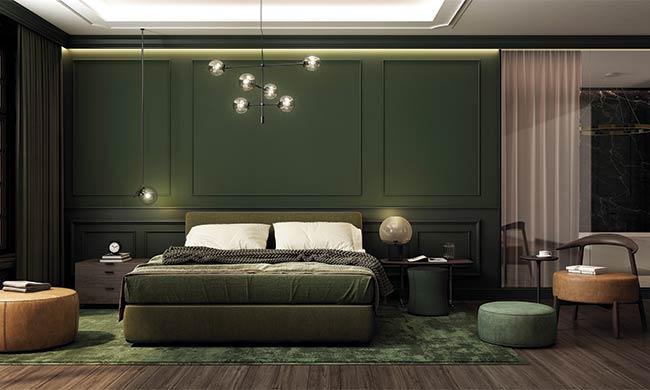
(Feature Impact) Heading into a new year, home design is once again evolving. Homeowners are blending comfort, personality, sustainability and connections to the outside world this year. More than just aesthetics, these trends are warm, intentional and rooted in real life.
Whether you’re refreshing a room or planning a full-blown makeover, consider these ideas for inspiration that feels both timeless and fresh.
Warm, Earthy Palettes
This year, say goodbye to whites and cool grays. Instead, cozy earth tones like clay, sage, caramel and rich neutrals create a grounded, inviting atmosphere. Refresh walls or cabinetry with these earthy hues or try color-drenching – using a single hue in varying tones across walls, trim and ceilings – for a bold new vibe that feels both timeless and modern.
Flowing, Curved Shapes
As homes trend more toward feeling lived-in rather than staged, hard edges and rigid forms are taking a backseat. In 2026, curves are everywhere: soft archways, rounded furniture and curved statement pieces – think circular mirrors or oversized armchairs – create fluid, comforting spaces.
Natural Materials and Textures
Designs this year celebrate materials that age beautifully, like natural stone, reclaimed wood and textiles that tell a story. Consider woven pillows and throws, handmade pottery, textured walls and wood with visible grain to enrich rooms with sensory detail and an artisanal feel.
Personalized Nostalgia
Blend vintage finds with contemporary art to create a space that’s truly your own. That means vintage finds, heirloom pieces and decor that evokes memory – even quilted textiles or classic checkered tiles – styled in fresh, modern ways to add warmth and individuality.
Attention to Statement Details
Small details are getting big attention this year. Swapping out basic cabinet hardware and lighting fixtures for artisanal, tactile metals can help elevate kitchen cabinets or bathroom vanities, turning them into design statements.
Flexible, Multifunctional Spaces
With hybrid work and lifestyle blending continuing into 2026, rooms should be designed to serve multiple purposes. Reading nooks can double as workstations. Living rooms effortlessly transition from day to night. Adaptable furniture, hidden storage and smart layouts help make multifunctional spaces feel intentional and uncluttered.
Outdoor-Inspired Interiors
The connection to nature grows stronger inside homes with greenery, natural light and materials that echo the outdoors. From indoor-outdoor flow to plant-rich spaces that feel alive and tranquil, biophilic design promotes calm, comfort and connection.
Visit eLivingtoday.com to find more design inspiration to make your home more personal and grounded in comfort.
Photo courtesy of Shutterstock

SOURCE:
Welcome to the Consumer Corner section of STM Daily News, your ultimate destination for savvy shopping and informed decision-making! Dive into a treasure trove of insights and reviews covering everything from the hottest toys that spark joy in your little ones to the latest electronic gadgets that simplify your life. Explore our comprehensive guides on stylish home furnishings, discover smart tips for buying a home or enhancing your living space with creative improvement ideas, and get the lowdown on the best cars through our detailed auto reviews. Whether you’re making a major purchase or simply seeking inspiration, the Consumer Corner is here to empower you every step of the way—unlock the keys to becoming a smarter consumer today!
Last Updated on April 2, 2026 by Daily News Staff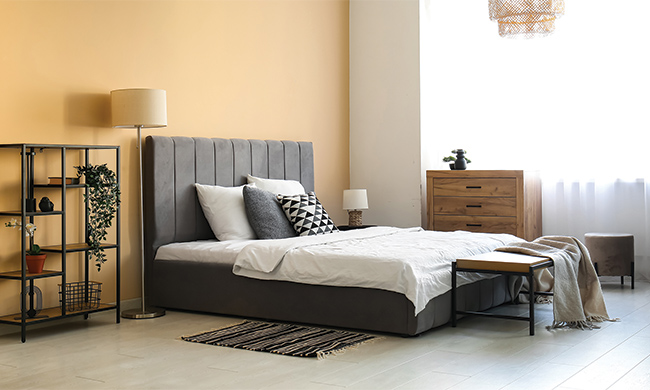
(Feature Impact) Making changes to a bedroom doesn’t have to break the bank. Simple swaps, a little DIY and some inexpensive purchases can go a long way toward freshening up the place you lay your head.
Better Bedding
If you can’t remember the last time you bought a new comforter, it may be time to snag one. Think beyond the luxury home stores and check out discount home decor retailers and even thrift stores, where you can often find new, unopened bedding at a fraction of the cost. A fluffy throw blanket in a dynamic new color might be the perfect way to rejuvenate your bed.
Playful Pillows
Few things spruce up a bedroom more than new throw pillows. Available in a myriad of sizes and shapes – from squares to rectangles to asymmetrical – there is no shortage of ways to use these functional pieces to brighten up a space.
Uplifting Light
Old-fashioned lamps, ancient wall sconces and dusty chandeliers can make a room feel stale. Scouring consignment stores and estate sales for new lighting can take a bedroom from dated to delightful without spending a ton of cash. If big box stores are more your thing, you can find budget lamps in unexpected departments; for example, try the back-to-school sections for dorm-friendly finds like twinkle lights and small bedside lamps. These little pops of light can both brighten and cozy up a room with minimal effort.
Punchy Paint
Repainting a room is a doable DIY project, and it can make a huge difference in how a room looks andfeels. Give yourself time to peruse the countless paint swatches at specialty paint stores or home improvement stores. If you’ve always gravitated toward earthy tones, maybe opt for a color with a little more depth or saturation. If brighter hues are your thing, go a little darker. If you love the idea of painting but worry about buyer’s remorse, start with an accent wall.
Heavenly Hardware
Functional hardware like drawer pulls and doorknobs can be replaced without much effort or money. Secondhand stores, online marketplaces and even furniture boutiques can be a goldmine for offbeat and unique hardware. Be sure to think beyond your bedside, too. Wardrobe handles, closet rods, sconces, wall hooks and hinges can be swapped out easily and inexpensively.
Find more tips and guidance to give your bedroom a budget-friendly upgrade at eLivingtoday.com.
Photo courtesy of Shutterstock

SOURCE:
Welcome to the Consumer Corner section of STM Daily News, your ultimate destination for savvy shopping and informed decision-making! Dive into a treasure trove of insights and reviews covering everything from the hottest toys that spark joy in your little ones to the latest electronic gadgets that simplify your life. Explore our comprehensive guides on stylish home furnishings, discover smart tips for buying a home or enhancing your living space with creative improvement ideas, and get the lowdown on the best cars through our detailed auto reviews. Whether you’re making a major purchase or simply seeking inspiration, the Consumer Corner is here to empower you every step of the way—unlock the keys to becoming a smarter consumer today!





