

Travel
Take the Stress Out of Winter Travel

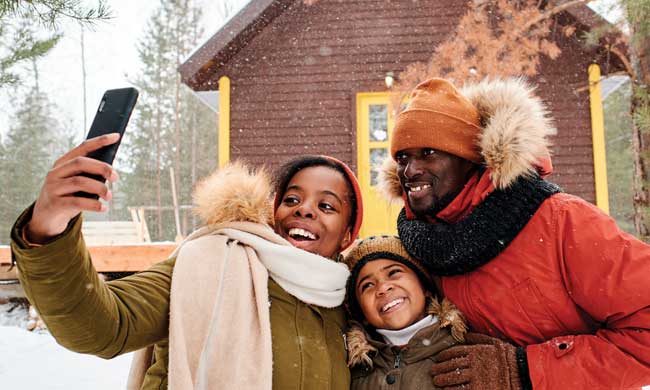
(Family Features) While there’s plenty to appreciate about winter travel, including picturesque scenery and festive moments with loved ones, the season brings a unique set of challenges, too. However, you can take steps to manage potential stress as you prepare for a seasonal journey.
For example, as flight delays and cancellations seem to become more common, travel insurance is one way vacationers can ease the burden of common travel issues that arise during crazy winter weather.
Consider these tips to reduce the stress of winter vacationing from the experts at World Nomads, which has protected, connected and inspired global travelers for more than 20 years. Designed to meet the needs of modern travelers, their flexible protection plans provide coverage to more than 100 countries with benefits including trip cancellation, emergency medical expenses, baggage cover and more to help you travel bravely.
Set realistic expectations. Some destinations are better when the weather gets blustery, but winter conditions can affect your ability to enjoy certain attractions in other locations. Planning ahead for weather-appropriate activities ensures you can make the most of your visit, whether it’s a prime winter destination or not.
Anticipate delays and cancellations. Unpredictable weather can hinder winter travel, so it’s a good idea to build extra time into your itinerary so you can roll with any potential delays. Especially if you’re traveling with children, have entertainment and backup plans ready so you can avoid adding tired, cranky kids to the mix.
Invest in travel insurance. To prepare for the unexpected, reduce your financial risk of unforeseen events with travel insurance. A leading travel insurance provider, World Nomads offers flexible travel protection plans for U.S. residents, including an Annual Planthat allows travelers to cover multiple trips (up to 45 days in length) over a 12-month period. Designed for frequent travelers, it includes travel insurance benefits for emergency medical expenses, baggage and baggage delay, rental car damage, trip cancellation, trip delay and more for international and domestic trips that are over 100 miles from your home.
What’s more, all plans also cover some of your favorite winter activities like skiing, snowboarding, bobsledding and beyond for added peace of mind (exclusions may apply). If something unexpected happens, your plan may provide reimbursement for emergency medical expenses, trip interruption coverage and medical evacuation coverage in certain circumstances.
Pack with care. If you’re headed to a sunny spot, sunscreen is (hopefully) a given, but remember sunscreen is essential for cold destinations, too. Reflections off the snow can create sunburn as bad as those from a day on the water. Also be mindful that the air tends to be drier in many locations during the winter months; keeping your skin and body well moisturized can help protect and nourish you.
Maximize luggage space. When traveling to colder climates, the bulkier clothing you need to stay warm and comfortable naturally takes more space than a summer wardrobe. Fitting everything you need into your luggage may be a challenge, but you can boost your chances by getting extra organized. Compression bags and packing cubes can help save space, and rolling garments, rather than folding, is recommended.
Prioritize function over fashion. When luggage space is at a premium, choose every item with purpose. That might mean forgoing an extra pair of shoes and selecting tops that mix and match with other articles of clothing for a more versatile wardrobe. Also be conscious of packing outfits that layer easily so you can add or drop layers to stay comfortable.
Find more resources for a successful winter getaway at WorldNomads.com.
Photo courtesy of Shutterstock
SOURCE:
World Nomads
Our Lifestyle section on STM Daily News is a hub of inspiration and practical information, offering a range of articles that touch on various aspects of daily life. From tips on family finances to guides for maintaining health and wellness, we strive to empower our readers with knowledge and resources to enhance their lifestyles. Whether you’re seeking outdoor activity ideas, fashion trends, or travel recommendations, our lifestyle section has got you covered. Visit us today at https://stmdailynews.com/category/lifestyle/ and embark on a journey of discovery and self-improvement.
Discover more from Daily News
Subscribe to get the latest posts sent to your email.





Travel Advisory
Traveling to Mexico this spring? Here’s what to know about current advisories
Traveling to Mexico this spring? Visitors should be aware of state-specific travel advisories, as safety concerns in one region do not affect major resort areas like Cancun and Los Cabos, currently rated Level 2, which encourages increased caution. Monitoring official updates is essential for informed travel decisions amidst evolving conditions.
Last Updated on March 30, 2026 by Daily News Staff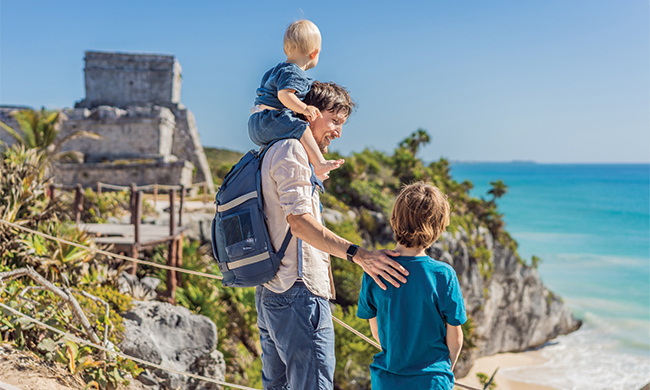
Traveling to Mexico this spring? Here’s what to know about current advisories
(Tiffany Miller for ALG Vacations) For some travelers counting down to spring break, recent headlines about violence in parts of Mexico have sparked a new question: Should I cancel my trip? Travel advisors say they are seeing a surge in calls and emails from clients trying to determine whether developments in one region affect major resort areas elsewhere.
The questions follow several days of unrest in parts of Mexico after security operations targeting organized crime leaders prompted temporary flight disruptions and shelter-in-place guidance for U.S. government personnel in areas including Puerto Vallarta and Guadalajara. In this article, ALG Vacations explains what current travel advisories mean for spring break travelers heading to Mexico.
The U.S. State Department evaluates Mexico state by state, not as a single destination, and advisory levels vary by region. Many major beach destinations, including Cancun, Riviera Maya, Tulum and Los Cabos, are currently under a Level 2 advisory, which encourages travelers to exercise increased caution. It does not discourage travel.
Part of the confusion stems from geography. Puerto Vallarta, on the Pacific coast, is roughly 1,300 miles from Cancun and the Riviera Maya on the Caribbean side, about the distance between New York and Miami. Because advisories are assigned state by state, developments in one region do not automatically alter another.
In recent days, that uncertainty has translated into additional inquiries about whether specific resort areas are experiencing disruptions. U.S. Embassy security alerts issued this week indicate that temporary shelter-in-place guidance affecting Puerto Vallarta was lifted and that flight operations resumed. The advisory level for the Mexican state of Quintana Roo remains unchanged.
Some clients are asking about alternatives, advisors say, but many are continuing with their plans after reviewing official updates. Travel patterns often shift in response to breaking headlines, they add, before stabilizing as clearer information becomes available.
The State Department assigns travel advisories on a four-tier scale ranging from Level 1, exercise normal precautions, to Level 4, do not travel. While Level 2 encourages increased awareness, Level 3 and Level 4 carry stronger language discouraging or restricting travel.
Advisories are reviewed regularly and can be updated as conditions evolve. The State Department’s Mexico advisory page breaks down conditions by state, reflecting the country’s federal structure rather than issuing a single national designation. Travelers can also enroll in the State Department’s Smart Traveler Enrollment Program, which provides real-time security updates and allows U.S. officials to contact citizens in an emergency.
Embassy notices state that airports, hotels and tourism services in Quintana Roo are operating normally. Security conditions across Mexico vary widely by state, with some regions carrying higher advisories and others designated Level 1. Most destinations popular with U.S. travelers are currently classified as Level 2.
As spring break approaches, advisors say informed decision-making depends on reviewing the advisories assigned to a specific destination and monitoring official updates, rather than reacting to national headlines alone. Travel decisions ultimately depend on individual comfort levels, they add, but advisory levels are assigned regionally and should be evaluated accordingly.
Photo courtesy of Shutterstock

SOURCE:
Welcome to the Consumer Corner section of STM Daily News, your ultimate destination for savvy shopping and informed decision-making! Dive into a treasure trove of insights and reviews covering everything from the hottest toys that spark joy in your little ones to the latest electronic gadgets that simplify your life. Explore our comprehensive guides on stylish home furnishings, discover smart tips for buying a home or enhancing your living space with creative improvement ideas, and get the lowdown on the best cars through our detailed auto reviews. Whether you’re making a major purchase or simply seeking inspiration, the Consumer Corner is here to empower you every step of the way—unlock the keys to becoming a smarter consumer today!
https://stmdailynews.com/category/consumer-corner
Discover more from Daily News
Subscribe to get the latest posts sent to your email.
Last Updated on March 13, 2026 by Daily News Staff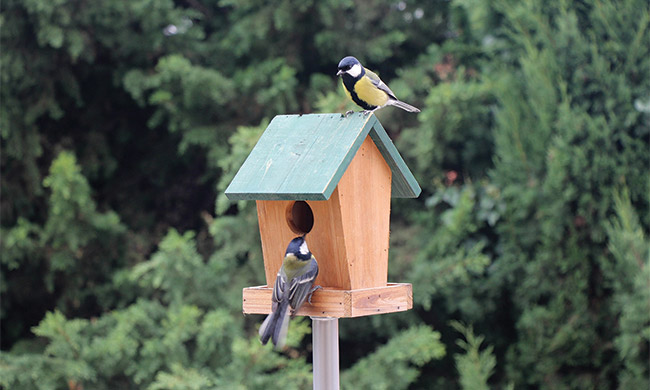
(Feature Impact) To add charm to your yard, encourage local wildlife and give you a front-row seat to nature, building a birdhouse is a simple weekend project that checks all of those boxes.
Building a Birdhouse
Seasoned DIYers and first-timers alike can follow this step-by-step guide to create a functional, welcoming birdhouse.
Step 1: Choose the Right Design
Start by deciding what type of birds you’d like to attract. Different birds prefer different house sizes and entrance types. A simple, classic birdhouse design makes the project beginner-friendly and works well for common backyard birds like wrens, chickadees and bluebirds. In general, plan for at least a 1-1 2/2-inch entrance hole, a 5-by-5-inch interior space and 2 inches or more of roof overhang.
Step 2: Gather Materials and Tools
Most DIY birdhouses can be built with basic materials and tools you may already have at home, including untreated cedar or pine wood, screws or nails, wood glue, sandpaper and exterior-safe paint as well as a measuring tape, pencil, saw and drill.
Step 3: Measure and Cut Wood
Measure and cut wood to make the front panel, back panel, two side panels, floor and roof. Then sand all edges for smooth assembly.
Step 4: Drill Holes
Using a hole-saw bit, drill the entrance hole into the front panel. Position it a few inches below the roofline to keep predators out. Next, drill 2-3 small drainage holes in the floor piece to prevent water buildup and help keep the birdhouse dry.
Step 5: Assemble the Birdhouse
Attach the side panels to the back panel using screws or nails. Add the front panel then secure the floor piece, slightly recessed, so rainwater can drain. Attach the roof last, making sure it slopes slightly to allow water to run off.
Step 6: Paint the Exterior
If you plan to paint your birdhouse, stick to neutral, nature-inspired colors. Light browns, soft greens or white help regulate temperature and blend into the environment.
Step 7: Mount Your Birdhouse
Once dry, place your birdhouse in a quiet, sheltered spot away from heavy foot traffic. Mount or hang it 5-10 feet off the ground, facing away from prevailing winds.
Visit eLivingtoday.com for more DIY project inspiration.
Photo courtesy of Shutterstock
SOURCE:

Our Lifestyle section on STM Daily News is a hub of inspiration and practical information, offering a range of articles that touch on various aspects of daily life. From tips on family finances to guides for maintaining health and wellness, we strive to empower our readers with knowledge and resources to enhance their lifestyles. Whether you’re seeking outdoor activity ideas, fashion trends, or travel recommendations, our lifestyle section has got you covered. Visit us today at https://stmdailynews.com/category/lifestyle/ and embark on a journey of discovery and self-improvement.
Discover more from Daily News
Subscribe to get the latest posts sent to your email.
home gardening
Start Planning Now for a Thriving Spring Garden
Winter offers an ideal time to plan for a successful spring garden. Assess your current space, research planting ideas, and design an efficient layout. Enhance soil health with compost, start seeds indoors for stronger plants, and organize tools to ensure readiness for the growing season. Prepare now for a thriving garden.
Last Updated on March 11, 2026 by Daily News Staff
Start Planning Now for a Thriving Spring Garden
(Family Features) While winter weather puts outdoor gardening on pause in most parts of the country, the colder months offer a perfect opportunity to begin preparing for a lush garden come springtime.
With a little creativity, and some extra time spent creating a plan, you can set yourself on a path toward success before the growing season even begins.
Assess Your Space and Research Ideas
Evaluate your current garden, taking note of what worked well last season and where improvements can be made. Use this downtime to sketch an updated layout, research companion plants and decide which fruits, vegetables or flowers you want to grow next based on what did (or didn’t) work last spring.
Build an Updated Blueprint
Winter is the ideal time to upgrade your garden design and make tweaks for efficiency. Use the offseason to consider crop rotation patterns for optimal soil health as well as ways to maximize your space such as raised beds, trellises or containers. You can also make a list of materials needed for any new features you may be adding, such as an irrigation system, and map out their placement so you’re ready to build as soon as the weather allows.
Nourish the Soil
Even if the ground is frozen, you can prepare your garden beds by adding compost, leaves or organic matter in late winter, ensuring nutrients are available when spring arrives. Also remember to test your soil’s pH level now, which can help guide your fertilization plan.
Start Seeds Indoors
If you’re eager to get your hands dirty, consider starting your seeds indoors. Early seed starting gives plants a head start, allowing you to transplant stronger seedlings outdoors when temperatures warm.
Get Organized
Use the slower pace of winter to clean and sharpen your garden tools, sort through leftover seeds and make a supply checklist so you’re ready to dig in when warmer days arrive.
Find more advice to get your garden ready to burst to life in spring at eLivingtoday.com.
Photo courtesy of Shutterstock
SOURCE:
Discover more from Daily News
Subscribe to get the latest posts sent to your email.





