

Travel Advisory
Traveling to Mexico this spring? Here’s what to know about current advisories
Traveling to Mexico this spring? Visitors should be aware of state-specific travel advisories, as safety concerns in one region do not affect major resort areas like Cancun and Los Cabos, currently rated Level 2, which encourages increased caution. Monitoring official updates is essential for informed travel decisions amidst evolving conditions.

Last Updated on March 30, 2026 by Daily News Staff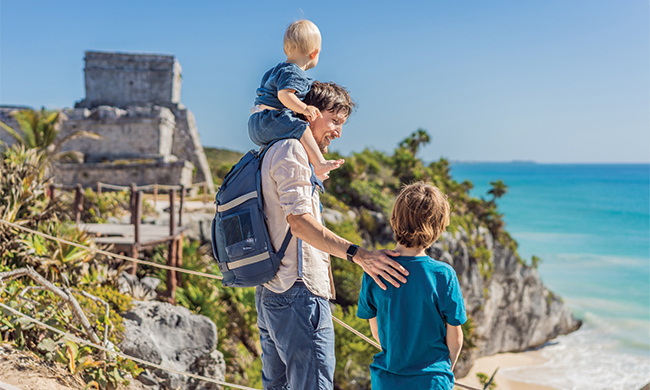
Traveling to Mexico this spring? Here’s what to know about current advisories
(Tiffany Miller for ALG Vacations) For some travelers counting down to spring break, recent headlines about violence in parts of Mexico have sparked a new question: Should I cancel my trip? Travel advisors say they are seeing a surge in calls and emails from clients trying to determine whether developments in one region affect major resort areas elsewhere.
The questions follow several days of unrest in parts of Mexico after security operations targeting organized crime leaders prompted temporary flight disruptions and shelter-in-place guidance for U.S. government personnel in areas including Puerto Vallarta and Guadalajara. In this article, ALG Vacations explains what current travel advisories mean for spring break travelers heading to Mexico.
The U.S. State Department evaluates Mexico state by state, not as a single destination, and advisory levels vary by region. Many major beach destinations, including Cancun, Riviera Maya, Tulum and Los Cabos, are currently under a Level 2 advisory, which encourages travelers to exercise increased caution. It does not discourage travel.
Part of the confusion stems from geography. Puerto Vallarta, on the Pacific coast, is roughly 1,300 miles from Cancun and the Riviera Maya on the Caribbean side, about the distance between New York and Miami. Because advisories are assigned state by state, developments in one region do not automatically alter another.
In recent days, that uncertainty has translated into additional inquiries about whether specific resort areas are experiencing disruptions. U.S. Embassy security alerts issued this week indicate that temporary shelter-in-place guidance affecting Puerto Vallarta was lifted and that flight operations resumed. The advisory level for the Mexican state of Quintana Roo remains unchanged.
Some clients are asking about alternatives, advisors say, but many are continuing with their plans after reviewing official updates. Travel patterns often shift in response to breaking headlines, they add, before stabilizing as clearer information becomes available.
The State Department assigns travel advisories on a four-tier scale ranging from Level 1, exercise normal precautions, to Level 4, do not travel. While Level 2 encourages increased awareness, Level 3 and Level 4 carry stronger language discouraging or restricting travel.
Advisories are reviewed regularly and can be updated as conditions evolve. The State Department’s Mexico advisory page breaks down conditions by state, reflecting the country’s federal structure rather than issuing a single national designation. Travelers can also enroll in the State Department’s Smart Traveler Enrollment Program, which provides real-time security updates and allows U.S. officials to contact citizens in an emergency.
Embassy notices state that airports, hotels and tourism services in Quintana Roo are operating normally. Security conditions across Mexico vary widely by state, with some regions carrying higher advisories and others designated Level 1. Most destinations popular with U.S. travelers are currently classified as Level 2.
As spring break approaches, advisors say informed decision-making depends on reviewing the advisories assigned to a specific destination and monitoring official updates, rather than reacting to national headlines alone. Travel decisions ultimately depend on individual comfort levels, they add, but advisory levels are assigned regionally and should be evaluated accordingly.
Photo courtesy of Shutterstock

SOURCE:
Welcome to the Consumer Corner section of STM Daily News, your ultimate destination for savvy shopping and informed decision-making! Dive into a treasure trove of insights and reviews covering everything from the hottest toys that spark joy in your little ones to the latest electronic gadgets that simplify your life. Explore our comprehensive guides on stylish home furnishings, discover smart tips for buying a home or enhancing your living space with creative improvement ideas, and get the lowdown on the best cars through our detailed auto reviews. Whether you’re making a major purchase or simply seeking inspiration, the Consumer Corner is here to empower you every step of the way—unlock the keys to becoming a smarter consumer today!
https://stmdailynews.com/category/consumer-corner


Lifestyle
Prepared and Aware: 4 Travel Safety Tips for Your 2026 Getaway
Travel remains a priority for many Americans, especially during warm seasons. To ensure enjoyable and safe trips, travelers should research destinations, use travel advisors, and consider insurance. Sharing itineraries with loved ones adds safety. Popular destinations like Mexico are open, but travelers should stay updated on advisories and precautions.
(Feature Impact) From beach escapes to international adventures, travel is still a top priority for millions of Americans, particularly during the warm-weather seasons. However, in light of evolving global events – and the changing travel advisories that often accompany them – preparation and awareness are key.
Travel planning should be exciting, and being a prepared traveler ensures you can focus on making memories rather than managing surprises. That means doing your homework before you go, remaining cautious and aware while you’re there and being ready to respond should the unexpected happen.
As you pack your bags, the experts at ALG Vacations recommend taking proactive steps like these to stay informed, protected and confident no matter where your adventures take you.
Research Your Destination
Familiarize yourself with local customs, transportation options and any travel advisories tied to your destination, which often vary by region, not country. If you’re heading abroad, consider enrolling in the Smart Traveler Enrollment Program (STEP) offered by the U.S. State Department. The free service provides real-time, destination-specific updates about health, weather, safety and security, and makes it easier to contact you in case of an emergency.
Consult with a Travel Advisor
One of the most effective safety measures is working with a professional travel advisor. Advisors monitor travel advisories in real time, understand geographic nuances and regional differences within destinations and can provide verified information directly from destination partners. If plans need to change, your advisor can recommend alternatives and help manage rebooking options.
Consider Travel Insurance
Preparation also means protecting your investment. Unexpected events – from flight cancellations and changes in advisory level to medical emergencies and weather delays – can happen at any time. Travel insurance adds an extra layer of protection, helping cover eligible expenses and providing peace of mind. If you elect coverage, review policy options carefully to understand what is and isn’t covered by your plan.
Share Your Plans with Someone at Home
Before departing, provide a trusted friend or family member with copies of your itinerary, lodging information and contact details. This ensures someone knows where you are and how to reach you in case of an emergency, flight disruption or unexpected change in plans.
To find more tips, or to connect with a travel advisor and benefit from personalized expert guidance on your spring excursion, visit TravelAdvisorsGetYouThere.com.
Frequently Asked Questions About Safe Travel to Mexico
Many of Mexico’s popular beach destinations – including Cancun, Riviera Maya, Costa Mujeres and Tulum – are operating as normal and welcoming visitors under a Level 2: Exercise Increased Caution advisory, which encourages travelers to remain aware of their surroundings and follow standard safety precautions, but does not discourage travel.
Stay informed of changes to advisory levels through official updates from the U.S. Embassy and the STEP program and consider these questions frequently asked to ALG Vacations travel advisors when planning your trip.
- Is it safe to travel to Mexico right now?
Travelers should follow the U.S. State Department’s official guidance. If visiting a destination in Mexico under the Level 2 advisory, which is a common advisory level globally that also applies to destinations such as France and Italy, exercise standard travel precautions. - Has the Puerto Vallarta shelter-in-place order been lifted?
Yes, the shelter-in-place guidance affecting Puerto Vallarta has been lifted. However, travelers
should regularly monitor official sources for updates or changes. - Are Cancun, Riviera Maya, Costa Mujeres or Tulum experiencing disruptions?
Airports in Cancun, Cozumel and Tulum are operating normally. Hotels, cruise ports and tourism services are also fully operational. - Are Los Cabos operations impacted?
Los Cabos tourism operations remain fully operational, including airport activity, ground transportation and hotel and resort operations. - What are some alternative destinations?
For those who may be exploring alternative plans, consider these popular spring destinations both domestically and abroad:
- Caribbean destinations including Jamaica and the Dominican Republic
- U.S. warm-weather destinations like Hawaii and Florida
- European island destinations such as Mallorca, Spain or Corfu, Greece
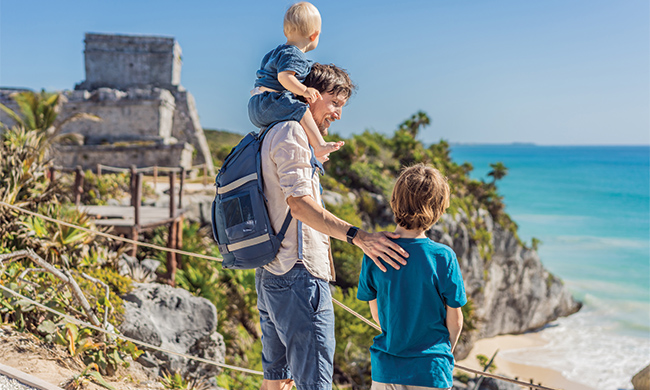
Photo courtesy of Shutterstock

SOURCE:
Our Lifestyle section on STM Daily News is a hub of inspiration and practical information, offering a range of articles that touch on various aspects of daily life. From tips on family finances to guides for maintaining health and wellness, we strive to empower our readers with knowledge and resources to enhance their lifestyles. Whether you’re seeking outdoor activity ideas, fashion trends, or travel recommendations, our lifestyle section has got you covered. Visit us today at https://stmdailynews.com/category/lifestyle/ and embark on a journey of discovery and self-improvement.





