

home gardening
Urban Gardening 101

Last Updated on September 7, 2025 by Daily News Staff
Urban Gardening 101
(Family Features) Urban living and lush gardens aren’t as mutually exclusive as one might assume. In fact, it’s possible to cultivate thriving gardens in even the smallest spaces.
The first step toward creating a successful small garden space is planning. Sketching out your garden area with a clear understanding of the actual dimensions is important. This allows you to allocate adequate growing space for the vegetation you choose and prevent overcrowding.
Part of your planning should also take climate into account. If the sun reaches your garden area, knowing what time the sun typically hits matters. Some plants are poorly equipped to handle the strength of direct afternoon rays.
Other matters to consider are the soil quality and whether it is adequate to nourish vegetation. If not, you may need to excavate and refill your planting areas with nutrient-rich gardening soil. Access to water is also a concern; if you’ll be forced to water by can, avoid choosing plants that would better benefit from a thorough hose soaking.
As you begin planning the actual contents of your garden, don’t hesitate to blend edibles with beauty. Many herbs offer attractive textures and colors that can add variety to a colorful selection of flowering plants. Edible plants such as strawberries offer color from blooms (and later brightly hued fruit), as well as trailing greenery that looks pretty along the edges of potted containers.
If your goal is color, give consideration to the blooming season for your selected plants. Unless you plan to enjoy your garden for just a short season, choose a variety of plants and flowers that bloom throughout your region’s entire growing season.
Especially in the smallest garden spaces, it’s smart to make the most of vertical space. Use a trellis or other structure to encourage vining vegetation to grow upward rather than outward. Hanging baskets or buckets are ideal for inverted growth of plants such as tomatoes or peppers, and shelving or tiered plant stands are handy for creating more plant real estate in smaller garden spaces.
Beautiful gardens need not be limited to those with expansive lawns in rural communities. Though smaller in scale, urban gardens can deliver equal beauty and a surprising volume of edible bounty with proper preparation and design. Find more tips at eLivingtoday.com.
Photo courtesy of Unsplash
SOURCE:
Family Features
Author

Discover more from Daily News
Subscribe to get the latest posts sent to your email.



Last Updated on November 9, 2025 by Daily News Staff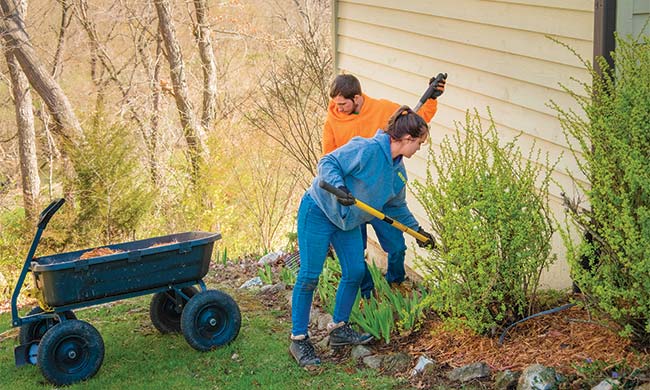
Transform Your Autumn Garden with Fall Mulching
(Family Features) Applying mulch during the fall months provides multiple benefits for your garden and landscape. A key element in boosting curb appeal, mulch also insulates soil, protecting plant roots from extreme temperature fluctuations, and suppresses weed growth.
The optimal time to apply mulch is after the first hard frost but before the ground freezes solid. Applying mulch too early can attract pests and diseases that thrive in warm, moist environments. Conversely, mulching too late can prevent the soil from warming up sufficiently, potentially stressing plants.
Consider these steps for effective fall mulch application:
Prepare Your Outdoor Space
Remove weeds and debris from the area you plan to mulch. This allows for even distribution and ensures the mulch layer is free from potential pest habitats.
Choose Your Mulch
Select an appropriate type of mulch based on your garden needs and aesthetic preferences. Consider materials that provide both insulation and nutrient benefits, such as organic mulches like wood chips, shredded leaves or compost that break down over time and add organic matter to the soil. For decorative purposes, bark mulch can provide an aesthetically pleasing appearance while performing similar protective functions.
Apply the Mulch
Spread a layer of mulch about 2-4 inches thick around your plants to allow for adequate air circulation and moisture retention, making sure to keep the mulch a few inches away from plant stems to prevent rot and pest infestations. For trees and shrubs, create a donut-shaped ring of mulch around the base.
Check and Maintain Mulch
Regularly check the mulch throughout the cooler months. Add more mulch if necessary to maintain the desired thickness, especially after heavy rains or wind.
Visit eLivingtoday.com for more fall lawn and garden advice.
Photo courtesy of Shutterstock
SOURCE:
eLivingtoday.com
Our Lifestyle section on STM Daily News is a hub of inspiration and practical information, offering a range of articles that touch on various aspects of daily life. From tips on family finances to guides for maintaining health and wellness, we strive to empower our readers with knowledge and resources to enhance their lifestyles. Whether you’re seeking outdoor activity ideas, fashion trends, or travel recommendations, our lifestyle section has got you covered. Visit us today at https://stmdailynews.com/category/lifestyle/ and embark on a journey of discovery and self-improvement.
Discover more from Daily News
Subscribe to get the latest posts sent to your email.
Last Updated on October 12, 2025 by Daily News Staff
Garden Growing Basics
(Family Features) Growing your own produce is an all-around smart practice, from the money you’ll save at the grocery store to the contributions you can make toward a cleaner planet.
Maintaining a garden takes some effort, but it’s a project even a beginner can tackle with ease. Consider these tips to start growing your at-home garden:
- Select a perfect spot. You’ll want to place your garden in an area where you see it often so you’re reminded to weed and care for it regularly. Find a flat area you can access easily, where erosion and other pitfalls (including hungry wildlife) won’t be a problem.
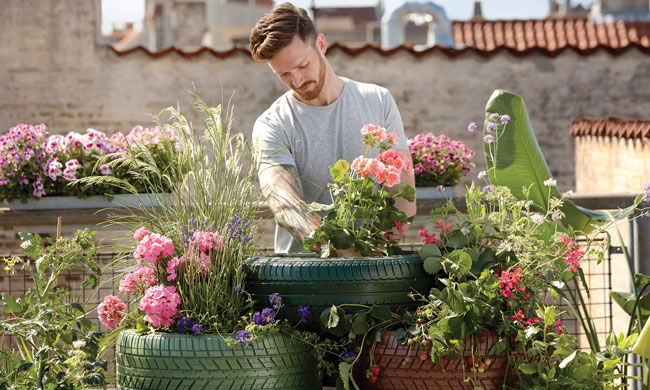
- Choose between ground and containers. There are pros and cons to gardening in containers vs. the ground, and there’s no universal right choice. Rather, the best garden depends on your goals and preferences. A ground garden usually offers more space and may provide a better growth environment for roots. However, a container garden is often easier to maintain and may be all you need if you wish to grow just a few plants.
- Understand the importance of quality soil. You may think any dirt will do, but keep in mind the soil you plant in will be the primary source of nutrients for your produce. Not only that, but quality soil provides stability so plants can root firmly and grow healthy and sturdy to support their bounty. Quality soil also allows for ample drainage. Organic matter like compost, leaf mold or aged manure all help improve soil quality.
- Keep water close. Lugging water can quickly eliminate the pleasure of tending your garden, so be sure you’re situated near a hose. You’ll know it’s time to water when the soil is dry about an inch below the surface.
- Plan for plenty of sun. A bright, sunny spot is a must, since most vegetables, herbs and fruits depend on six or more hours of sun every day. Remember the sun’s path changes throughout the year, and as trees and foliage grow, they may produce more shade with each growing season.
- Consider what you’ll grow. Starting with veggies you know you like is a smart starting point since you’ll be pouring sweat equity into making them grow. Over time, you might add new varieties, but early on, keep your focus on foods you know you like so you can see a meaningful return and avoid waste. You’ll also need to consider what you can grow to maturity within your area’s growing season. If necessary, you might want to start transplants you can nurture indoors before moving them outside when the temperatures allow.
- Plant according to a calendar. Knowing how long it takes different foods to mature will help you create a planting calendar. You don’t want to harvest everything at once, and if you stagger planting and replant what you can, you’ll have a garden that produces food for your family for a longer period of time.
Find more helpful tips for managing your home and garden at eLivingtoday.com.
Photo courtesy of Unsplash
SOURCE:
Family Features
Discover more from Daily News
Subscribe to get the latest posts sent to your email.
Last Updated on October 10, 2025 by Daily News Staff
How to Effectively Seed Your Lawn for Fall
(Family Features) Due to cooler temperatures and increased moisture levels, fall provides ideal conditions to help your lawn establish strong roots before winter sets in. While the soil retains warmth from the summer months, the cooler weather minimizes the risk of weeds, allowing the new grass to thrive without as much competition or intense summer sun.
Transform your lawn this autumn with these seeding tips for a lush, green yard next spring.
Choose the Right Seed for Your Region
Consider the climate of your region when choosing grass seed. Cool-season grasses, such as Kentucky bluegrass and fescue, thrive in northern regions, while warm-season grasses like Bermuda and Zoysia are better suited for southern climates. Choosing the right seed blend can also help address issues such as shade, drought and wear.
Prepare Soil for Optimal Growth
Start by testing your soil’s pH (a measure of how acidic or basic a substance is) and nutrient levels. Most grasses thrive in soil with a pH level between 6-7 (on a scale to 14). Next, aerate the soil to alleviate compaction and improve seed-to-soil contact, which allows for better water infiltration and root growth, and remove debris, rocks and weeds from the area to create an optimal environment for new grass to grow.
Apply Seed for a Dense, Healthy Lawn
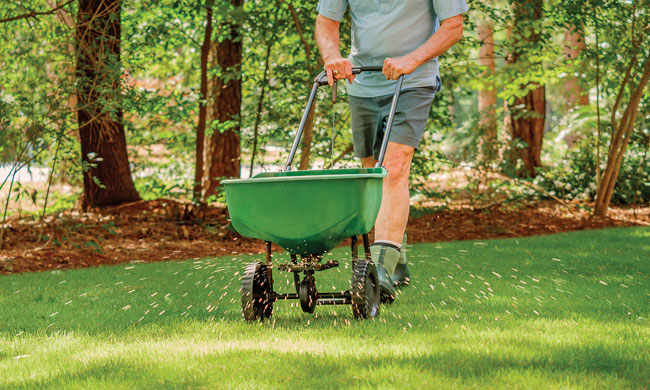
For even distribution of seeds, use a broadcast spreader to apply half the seed in one direction and the remaining seed perpendicular to the first pass to ensure thorough coverage. Lightly rake the soil to incorporate seeds then use a roller to press them into the ground. Light, frequent watering is best until the seeds germinate and grass begins to grow.
Find more fall lawn care tips by visiting eLivingtoday.com.
Photo courtesy of Shutterstock
SOURCE:
Our Lifestyle section on STM Daily News is a hub of inspiration and practical information, offering a range of articles that touch on various aspects of daily life. From tips on family finances to guides for maintaining health and wellness, we strive to empower our readers with knowledge and resources to enhance their lifestyles. Whether you’re seeking outdoor activity ideas, fashion trends, or travel recommendations, our lifestyle section has got you covered. Visit us today at https://stmdailynews.com/category/lifestyle/ and embark on a journey of discovery and self-improvement.
Author
Discover more from Daily News
Subscribe to get the latest posts sent to your email.





