

Automotive
How to Choose the Right Car Seat

(Family Features) As a parent, one of the most important purchases you’ll make for your child is a car seat. It’s important to choose a car seat that properly fits both your child and your car, as car crashes are a leading cause of death for children ages 12 and younger, according to the Centers for Disease Control and Prevention.
As your children grow, you’ll need to change the mode of their car seat to accommodate their weight and height. There are four recommended stages of child restraint usage: rear-facing harness, forward-facing harness, belt-positioning booster seat and seat belt. Different car seats offer different varieties of these modes of use, so families can choose a product that fits best with their child’s needs.
For example, the Graco 4Ever DLX Grad 5-in-1 Car Seat is a first-in-market seat that provides added longevity and value with its kid-centric design that accommodates children from 4-120 pounds and up to 12 years of age. The car seat features five modes of use to help children through each stage, including a rear-facing harness, forward-facing harness, both high-back and backless boosters and a removable seat belt trainer. Additional features include a space-saving slim design, SnugLock technology for quick and easy installation, a 10-position headrest and harness, removable inserts and rotating cupholders.
To help choose the right car seat for your child with safety top of mind, Graco curated a stage-by-stage guide to help meet first-time and growing family needs, following guidelines set by the American Academy of Pediatrics and the National Highway Traffic Safety Administration.
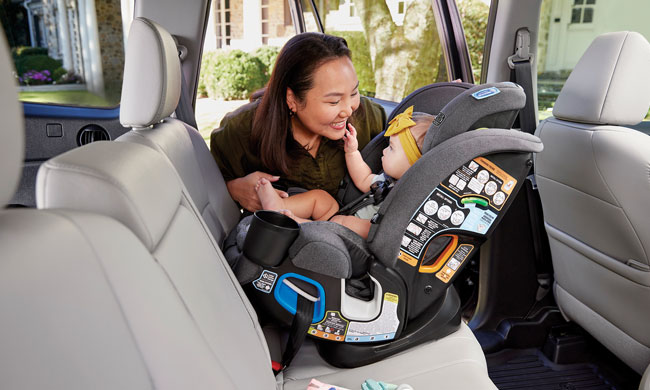
Stage 1: Rear-Facing Harness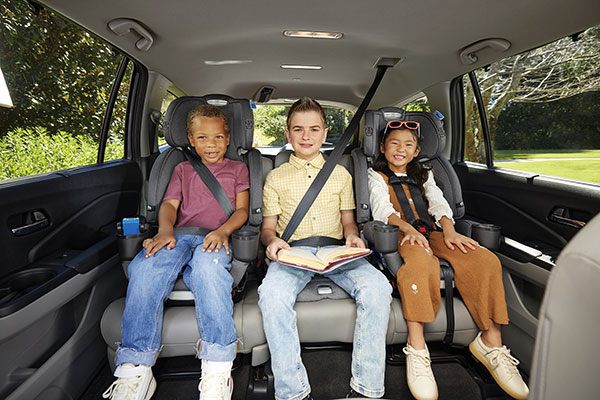 According to the American Academy of Pediatrics, children should remain in a rear-facing car seat in the vehicle backseat for as long as possible, until they reach the specified weight or height limit of the car seat for optimal protection while riding in the car.
While many parents bring their children home from the hospital in an infant carrier, which is a portable seat with a stay-in-vehicle base, designed specifically for newborns and small babies, there are other rear-facing options. Convertibles and all-in-one seats have higher weight limits than infant carriers, allowing children to remain rear-facing up to 40-50 pounds.
Stage 2: Forward-Facing Harness
When children outgrow their rear-facing car seats, they should be buckled in a forward-facing car seat with a harness and top tether in the vehicle backseat until they reach the maximum height or weight for the seat, typically around age 5-6.
Stage 3: Belt-Positioning Booster Seats
Once children outgrow their forward-facing car seats with a harness, they should be buckled in a high-back belt-positioning booster seat (for children 40-100 pounds) to provide added neck and head support followed by a backless belt-positioning booster seat (for children 40-120 pounds) in the backseat until the vehicle seat belt fits properly across their laps and shoulders without a booster seat, which usually occurs between 9-12 years old.
Stage 4: Seat Belt
Approximately 31% of parents transition their children from a high-back booster directly to a vehicle seat belt, according to a survey fielded by Ipsos. To ride safely, many children need assistance with seat belt fit until age 8-12. The 4Ever DLX Grad 5-in-1 Car Seat features a removable Seat Belt Trainer that helps guide the seat belt into the correct position to help keep children safer for longer while still allowing them to feel like big kids.
Once the seat belt fits properly, children no longer need to use a booster seat. This means that they can sit all the way back against the vehicle seat with knees bent at the edge of the seat, the lap belt sitting low on their hips and upper thighs (not the stomach), the shoulder belt fitting across the collarbone and sitting flush with the torso – they can stay seated this way for the entire ride.
To learn more and find the right car seat for your child’s needs, visit gracobaby.com.
SOURCE:
Graco
Author









Automotive
Set Yourself Up for Safe Winter Driving
Set yourself up for safe winter driving with these essential tips: switch to winter tires, check air pressure, protect off-season wheels, and maintain tread depth. Learn how to prepare your car for snow and ice so you can drive with confidence all season.

Set Yourself Up for Safe Winter Driving
(Family Features) Waiting for the first snow or ice storm to hit puts you and your tires behind the curve when it comes time to get behind the wheel. Preparing your vehicle and brushing up on smart winter driving tips helps ensure you arrive at your destination safely, no matter the weather. Consider Winter Tires When temperatures drop below 45 F, winter tires maintain flexibility and road grip, contrary to all-season tires that don’t perform as well in these conditions. Winter tires are designed for better traction and stopping power in ice, slush and snow. Change Out Seasonal Wheels and Rims Swapping summer or all-season tires for winter ones will ensure your vehicle has the best traction possible, but that’s just part of the story. Slippery, wet and icy roads mean vehicles tend to skid and lose control, striking curbs and other objects that scratch, dent and scuff. Snow and winter wheels are a smart way to protect summer rims from snow, ice and road-clearing chemicals like salt. Protect Offseason Tires It’s important to protect your offseason tires from below freezing temperatures, sunlight, moisture and other harsh weather conditions. Consider Discount Tire’s Tire Hotel service, available at select locations, where stores help preserve the condition of tires, handling tire rotations, inspections and maintenance when it’s time to change the winter tires back. Maintain Target Air Pressure The impact changing temperatures have on your tire pressure can create numerous issues, including poor handling, worse gas mileage, excessive wear and overloading. Prevent problems by checking your air pressure at least once a month when your tires are cool and before any long trip. For every 10 F in ambient temperature change, tire air pressure changes 1 PSI (pound per square inch). That means you need to check your tires more frequently as temperatures fluctuate and settle into lower winter levels. Check Tread Depth Regularly Your vehicle’s tread depth plays a vital role in traction, which can affect your safety while driving in winter conditions. To ensure you have ample tread, stick a penny upside-down in a tread groove. It’s time to replace if Lincoln’s head is visible. You can also visit your local Discount Tire store for a free tire safety check. Practice Good Tire Maintenance Taking care of your tires ensures you get the longest life and best wear. Most experts recommend rotating your tires every 6,000 miles. Knowing the age of your tires, which can be found by looking at the DOT number stamped on their sidewalls, is important since tire rubber becomes harder and more brittle as it ages, increasing the risk of failure. Choose Tires Wisely Selecting the tires that are best suited for where you drive, how you drive and what you drive helps protect you and your passengers, ensuring your vehicle is prepared for winter weather. When shopping, consider using an online tire guide like Treadwell, which provides personalized recommendations on the best tires for your driving needs. Find the tool online at DiscountTire.com/Treadwell. Photo courtesy of ShutterstockThe Legacy of the Datsun 510: How a Game-Changing Car Helped Nissan Conquer the US MarketLink: https://stmdailynews.com/the-legacy-of-the-datsun-510-how-a-game-changing-car-helped-nissan-conquer-the-us-market/
Last Updated on December 8, 2025 by Daily News Staff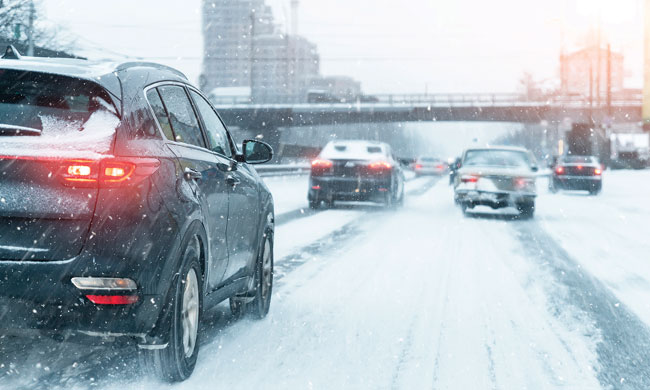
Prep Your Vehicle for Safe Winter Travel
(Family Features) While snow may be one of the highlights of winter, wet roads and ice can make for dangerous driving conditions. Cold temperatures and slick roads can wreak havoc on vehicles, making even a short commute across town a hazardous trip.
Before you step into the driver’s seat this winter, pay special attention to the safety of your vehicle and consider these tips from the experts at your local Discount Tire to ensure you’re ready to hit the road.
Install Winter Tires
Built for the cold and designed for better traction in winter conditions when temperatures drop below 45 F, winter tires can provide better traction on slippery, wet and icy roads, which can lead to striking curbs and other objects that scratch, dent and scuff wheels. Changing wheels and tires each season can ensure you have the best traction possible and protect summer or all-season wheels from the harsh effects of snow, ice and road-clearing chemicals like salt.
Keep Traction on Winter Roads
Tread depth determines a vehicle’s safe stopping distance, which is vital during winter weather when all-season tires can take an average of 110 feet to stop at 30 miles per hour compared to 81 feet in the same conditions for winter tires. You can check the tread depth by sticking a penny upside-down in a tread groove – it’s time to replace your tires if President Lincoln’s head is visible.
Check Tire Pressure
Tires lose air due to impacts and pressure of bumps and turns. Colder temperatures can also impact air pressure. For every 10-degree drop in ambient temperature, tires lose one pound of pressure (PSI). At least once a month, especially before long trips, check the pressure in your tires or stop by a Discount Tire location. Low pressure can lead to poor handling and gas mileage, excessive wear and overloading. Keep a tire pressure gauge in your vehicle to ensure each tire is filled to the manufacturer’s recommended inflation level and add air as necessary.
Update Your Wiper Blades
In cold and icy winter weather, wiper blades can stiffen and become damaged. While your wiper blades’ lifespan will vary based on where you live and the weather you deal with, experts recommend replacing them every six months. If your wiper blades squeak or leave streaks on your windshield, it’s time to replace them.
Know the Age of Your Tires
The older a tire, the higher its risk for failure. As tires age, the rubber becomes harder and brittle, losing elasticity and strength. Check the DOT number stamped on your tires’ sidewalls to see if it’s time for replacement. If you’re not sure what tires are right for your vehicle, a tool like Treadwell allows you to easily input vehicle information and driving habits to receive a personalized recommendation.
Rotate Tires Often
Regular tire rotations help ensure proper traction. Tires should be rotated every 6,000 miles, or earlier if uneven wear develops. One easy way to remember: Have your tires rotated every other time you have your oil changed.
Check for a Spare Tire
Many newer vehicles have replaced spare tires with tire inflation kits that include puncture-coating sealants and air compressors or run-flat tires. Check to see what your vehicle has and consider adding a roadside assistance plan in case you experience any issues during inclement weather.
To locate a store near you, or search for winter tires specific to your vehicle and driving habits, visit discounttire.com, where you can save up to 30% on wait times in-store, or use the mobile app.
Photo courtesy of Shutterstock
SOURCE:
Discount Tire
Author
STM Blog
End of an Era for a famous SoCal Car Dealership
The legendary Cal Worthington car dealership chain has closed its final location in Long Beach, ending a 70-year run. Discover the story behind the iconic “dog Spot” commercials and the West Coast automotive pioneer who changed car advertising forever.

Last Updated on November 23, 2025 by Daily News Staff
From early childhood to adulthood, I vividly remember the catchy jingle that echoed through our house whenever Cal Worthington’s Dealerships commercials aired during news breaks, sporting events, and our favorite television shows.
Sadly, that era has come to an end. The legendary dealership, which once peaked at twenty-seven locations across the Western states, has closed its last remaining location in Long Beach, California.
The dealership had a remarkable seventy-year run. However, after Cal Worthington’s passing nearly a decade ago, it struggled to find its financial footing. According to Nick Worthington, Cal’s grandson, the iconic business faced numerous challenges that ultimately led to this closure.
Calvin Coolidge Worthington (November 27, 1920 – September 8, 2013) was a well-known American car dealer, celebrated especially on the West Coast of the United States. He gained fame through his eccentric radio and television advertisements for his Worthington Dealership Group, a car dealership chain that extended across the western and southwestern U.S. at its peak.
Cal Worthington’s advertisements were unique and memorable, often starting with the announcement, “Here’s Cal Worthington and his dog Spot!”—though “Spot” was never actually a dog. Instead, “Spot” could be anything from a tiger, a seal, an elephant, a chimpanzee, to a bear. In one particularly notable ad, “Spot” was a hippopotamus, which Worthington rode during the commercial. Occasionally, “Spot” even took the form of a vehicle, such as an airplane on whose wings Worthington would be seen standing while airborne. “Spot” was officially retired in the mid-1980s, but was occasionally mentioned in later commercials, maintaining the legacy of the unconventional mascot.
According to a 1990 profile published in the Sacramento Bee, Worthington grossed $316.8 million in 1988, making him the largest single owner of a car dealership chain at that time. His dedicated advertising agency, aptly named Spot Advertising, had only Worthington as its client and spent a staggering $15 million on commercials, more than any other auto dealer at the time.
Cal Worthington sold automobiles from 1945 until his passing in 2013 and owned an impressive 24,000-acre (9,700 ha; 38 sq mi) ranch located in Orland, California, north of Sacramento. His legendary marketing tactics and the persona of “Spot” have left an indelible mark on the car dealership industry and television advertising.
With the closure of the last Worthington dealership, an iconic chapter in automotive retail history and television advertising has come to an end, leaving behind fond memories and an enduring legacy.





