Setting out on a mission to eat healthier starts with creating goals and working to achieve them with those you love. To help make nutritious eating more manageable, call together your family and work with one another to create a menu everyone can enjoy while staying on track.
Accomplish health goals with better-for-you family meals
(Family Features) Setting out on a mission to eat healthier starts with creating goals and working to achieve them with those you love. To help make nutritious eating more manageable, call together your family and work with one another to create a menu everyone can enjoy while staying on track.
Connecting an array of recipes that all can agree on starts with versatile ingredients like dairy. Gathering at the table with your loved ones while enjoying delicious, nutritious recipes featuring yogurt, cheese and milk can nourish both body and soul.
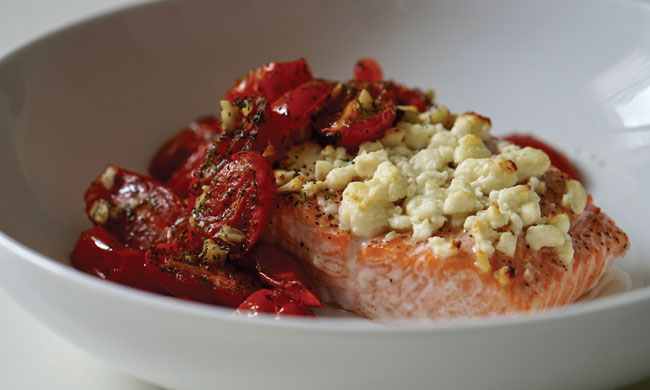
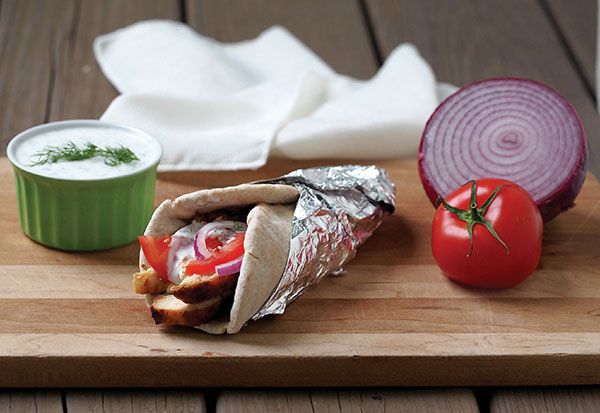
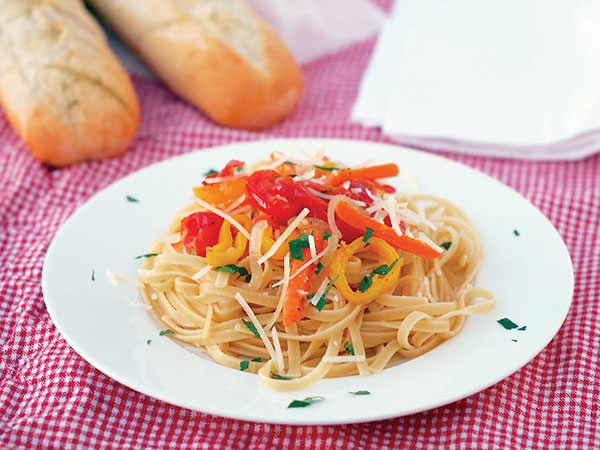
For example, the key dairy ingredients in these recipes from Milk Means More provide essential nutrients for a healthy diet. The cheese varieties in Feta Roasted Salmon and Tomatoes and 15-Minute Weeknight Pasta provide vitamin B12 for healthy brain and nerve cell development and are a good source of calcium and protein, which are important for building and maintaining healthy bones. Meanwhile, the homemade yogurt sauce served alongside these Grilled Chicken Gyros provides protein and zinc.
To find more nutritious meal ideas to fuel your family’s health goals, visit MilkMeansMore.org.
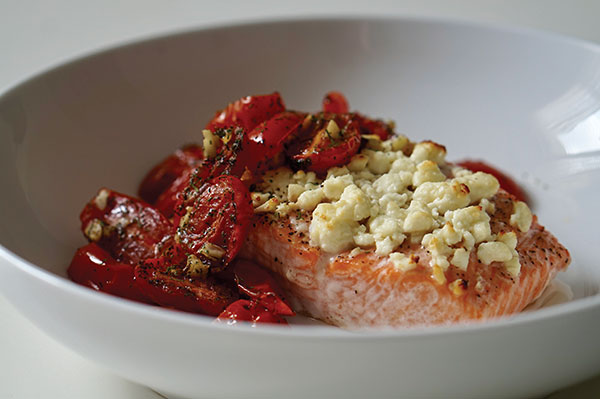
Feta Roasted Salmon and Tomatoes
Recipe courtesy of Marcia Stanley, MS, RDN, Culinary Dietitian, on behalf of Milk Means More Prep time: 15 minutes Cook time: 15 minutes Servings: 4
Nonstick cooking spray
3 cups halved cherry tomatoes
2 teaspoons olive oil
1 teaspoon minced garlic
1/2 teaspoon dried oregano or dried dill weed
1/4 teaspoon salt
1/2 teaspoon coarsely ground black pepper, divided
1 1/2 pounds salmon or halibut fillets, cut into four serving-size pieces
1 cup (4 ounces) crumbled feta cheese
Preheat oven to 425 F. Line 18-by-13-by-1-inch baking pan with foil. Lightly spray foil with nonstick cooking spray. Set aside.
In medium bowl, toss tomatoes, olive oil, garlic, oregano or dill weed, salt and 1/4 teaspoon pepper.
Place fish pieces, skin side down, on one side of prepared pan. Sprinkle with remaining pepper. Lightly press feta cheese on top of fish. Pour tomato mixture on other side of prepared pan. Bake, uncovered, 12-15 minutes, or until fish flakes easily with fork.
Place salmon on serving plates. Spoon tomato mixture over top.
Grilled Chicken Gyros
Recipe courtesy of Kirsten Kubert of “Comfortably Domestic” on behalf of Milk Means More Prep time: 30 minutes, plus 30 minutes chill time Cook time: 20 minutes Servings: 8
Chicken:
3 tablespoons unsalted butter, melted
2 tablespoons chopped fresh dill
1 tablespoon chopped fresh oregano
2 cloves garlic, peeled and minced
3 tablespoons freshly squeezed lemon juice
1 teaspoon kosher salt
1/2 teaspoon black pepper
2 pounds boneless, skinless chicken breasts
Yogurt Sauce:
1 1/2 cups plain, whole-milk yogurt
1 1/2 tablespoons freshly squeezed lemon juice
1/2 cup diced cucumber
2 tablespoons chopped fresh dill
1 clove garlic, peeled and minced
1/4 teaspoon kosher salt
1/8 teaspoon black pepper
3-4 small loaves whole-wheat pita bread, halved lengthwise
1 cup thinly sliced tomatoes
1/2 cup thinly sliced red onion
To make chicken: Place melted butter, dill, oregano, garlic, lemon juice, salt and pepper in gallon-size zip-top freezer bag. Seal bag and shake contents to combine. Add chicken. Seal bag, pressing air out of bag. Shake chicken to coat with marinade. Refrigerate chicken in marinade 30 minutes.
To make yogurt sauce: Stir yogurt, lemon juice, diced cucumber, dill, garlic, salt and pepper. Cover sauce and refrigerate.
Heat grill to medium heat.
Grill chicken over direct heat, about 10 minutes per side, until cooked through. Transfer chicken to cutting board and rest 10 minutes. Thinly slice chicken across grain.
Serve chicken on pita bread with tomatoes, red onion and yogurt sauce.
15-Minute Weeknight Pasta
Recipe courtesy of Kirsten Kubert of “Comfortably Domestic” on behalf of Milk Means More Prep time: 5 minutes Cook time: 10 minutes Servings: 6
6 quarts water
16 ounces linguine or penne pasta
2 tablespoons unsalted butter
1/2 cup thinly sliced onion
1 cup thinly sliced carrots
1 cup thinly sliced sweet bell pepper
1/2 cup grape tomatoes, halved
1 teaspoon kosher salt
1/4 teaspoon black pepper
2 cloves garlic, peeled and minced
1 cup reserved pasta water
1 teaspoon finely grated lemon zest
1/2 cup smoked provolone cheese, shredded
1/4 cup chopped fresh parsley (optional)
Parmesan cheese (optional)
Bring water to rolling boil and prepare pasta according to package directions for al dente texture, reserving 1 cup pasta water.
In large skillet over medium heat, melt butter. Stir in onions, carrots and sweet bell peppers. Saute vegetables about 5 minutes, or until they brighten in color and begin to soften. Add tomatoes, salt, pepper and garlic. Cook and stir 1 minute to allow tomatoes to release juices.
Pour reserved pasta water into skillet, stirring well. Bring sauce to boil. Reduce heat to medium-low and simmer 3 minutes. Taste sauce and adjust seasonings, as desired.
Transfer drained pasta to skillet along with lemon zest and smoked provolone cheese, tossing well to coat. Serve immediately with fresh parsley and Parmesan cheese, if desired.
Visit our Food & Drink section to get the latest on Foodie News and recipes, offering a delightful blend of culinary inspiration and gastronomic trends to elevate your dining experience.
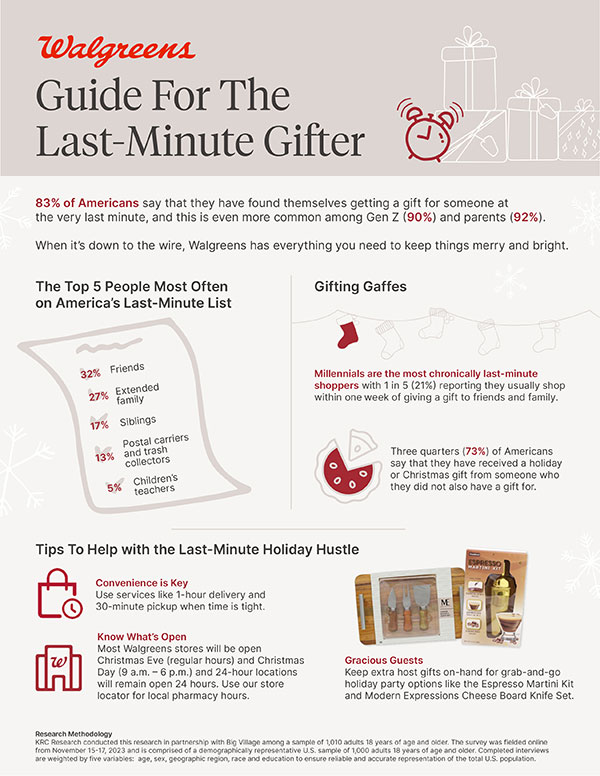
(Family Features) If you’ve ever found yourself buying a holiday gift for someone on your list at the last minute, you’re not alone. According to a Walgreens U.S. gift-giving survey, 83% of Americans found themselves getting a gift for someone at the last minute – a trend even more common among Gen Z (90%) and parents (92%). To help keep things merry and bright, consider these tips to help with the last-minute holiday hustle, and visit Walgreens.com or a store near you to find deals and gift inspiration.
FDA’s COVID-19 Vaccine Safety Claims Lack Solid Evidence—Why Overreaction Could Harm Public Health
COVID-19 vaccine safety: The FDA’s claims about COVID-19 vaccine deaths in children lack strong evidence and could restrict vaccine access. Learn why experts say VAERS reports aren’t proof, and how overreacting may harm public health and trust in vaccines.
The death of children due to an unsafe vaccine is a serious allegation. I am a pediatric cardiologist who has studied the link between COVID-19 vaccines and heart-related side effects such as myocarditis in children. To my knowledge, studies to date have shown such side effects are rare, and severe outcomes even more so. However, I am open to new evidence that could change my mind. But without sufficient justification and solid evidence, restricting access to an approved vaccine and changing well-established procedures for testing vaccines would carry serious consequences. These moves would limit access for patients, create roadblocks for companies and worsen distrust in vaccines and public health. In my view, it’s important for people reading about these FDA actions to understand how the evidence on a vaccine’s safety is generally assessed.
Determining cause of death
The FDA memo claims that the deaths of these children were directly related to receiving a COVID-19 immunization. From my perspective as a clinician, it is awful that any child should die from a routine vaccination. However, health professionals like me owe it to the public to uphold the highest possible standards in investigating why these deaths occurred. If the FDA has evidence demonstrating something that national health agencies worldwide have missed – widespread child deaths due to myocarditis caused by the COVID-19 vaccine – I don’t doubt that even the most pro-vaccine physician will listen. So far, however, no such evidence has been presented. While a death logged in VAERS is a starting point, on its own it is insufficient to conclude whether a vaccine caused the death or other medical causes were to blame. To demonstrate a causal link, FDA staff and physicians must align the VAERS report with physicians’ assessments of the patient, as well as data from other sources for monitoring vaccine safety. These include PRISM, which logs insurance claims data, and the Vaccine Safety Datalink, which tracks safety signals in electronic medical records. It’s known that most deaths logged only in VAERS of children who recently received vaccines have been incorrectly attributed to the vaccines – either by accident or in some cases on purpose by anti-vaccine activists.
Heart-related side effects of COVID-19 vaccines
In his Substack and Twitter accounts, Prasad has said that he believes the rate of severe cardiac side effects after COVID-19 vaccination is severely underestimated and that the vaccines should be restricted far more than they currently are. In a July 2025 presentation, Prasad quoted a risk of 27 cases per million of myocarditis in young men who received the COVID-19 vaccine. A 2024 review suggested that number was a bit lower – about 20 cases out of 1 million people. But that same study found that unvaccinated people had greater risk of heart problems after a COVID-19 infection than vaccinated people. In a different study, people who got myocarditis after a COVID-19 vaccination developed fewer complications than people who got myocarditis after a COVID-19 infection. Existing vaccine safety infrastructure in the U.S. successfully identifies dangers posed by vaccines – and did so during the COVID-19 pandemic. Today, most COVID-19 vaccines in the U.S. rely on mRNA technology. But as vaccines were first emerging during the COVID-19 pandemic, two pharmaceutical companies, Janssen and AstraZeneca, rolled out a vaccine that used a different technology, called a viral vector. This type of vaccine had a very rare but genuine safety problem that was detected.A report in VAERS is at most a first step to determining whether a vaccine caused harm. VAERS, the Vaccine Safety Datalink, clinical investigators in the U.S. and their European counterparts detected that these vaccines did turn out to cause blood clotting. In April 2021, the FDA formally recommended pausing their use, and they were later pulled from the market. Death due to myocarditis from COVID-19 vaccination is exceedingly rare. Demonstrating that it occurred requires proof that the person had myocarditis, evidence that no other reasonable cause of death was present, and the absence of any additional cause of myocarditis. These factors cannot be determined from VAERS data, however – and to date, the FDA has presented no other relevant data.
A problematic vision for future vaccine approvals
Currently, vaccines are tested both by seeing how well they prevent disease and by how well they generate antibodies, which are the molecules that help your body fight viruses and bacteria. Some vaccines, such as the COVID-19 vaccine and the influenza vaccine, need to be updated based on new strains. The FDA generally approves these updates based on how well the new versions generate antibodies. Since the previous generation of vaccines was already shown to prevent infection, if the new version can generate antibodies like the previous one, researchers assume its ability to prevent infection is comparable too. Later studies can then test how well the vaccines prevent severe disease and hospitalization. The FDA memo says this approach is insufficient and instead argues for replacing such studies with many more placebo-controlled trials – not just for COVID-19 vaccines but also for widely used influenza and pneumonia vaccines. That may seem reasonable theoretically. In practice, however, it is not realistic. Today’s influenza vaccines must be changed every season to reflect mutations to the virus. If the FDA were to require new placebo-controlled trials every year, the vaccine being tested would become obsolete by the time it is approved. This would be a massive waste of time and resources.Influenza vaccines must be updated for every flu season.Jacob Wackerhausen/iStock via Getty Images Plus Also, detecting vaccine-related myocarditis at the low rate at which it occurs would have required clinical trials many times larger than the ones that were done to approve COVID-19 mRNA vaccines. This would have cost at least millions of dollars more, and the delay in rolling out vaccines would have also cost lives. Placebo-controlled trials would require comparing people who receive the updated vaccine with people who remain unvaccinated. When an older version of the vaccine is already available, this means purposefully asking people to forgo that vaccine and risk infection for the sake of the trial, a practice that is widely considered unethical. Current scientific practice is that only a brand-new vaccine may be compared against placebo. While suspected vaccine deaths should absolutely be investigated, stopping a vaccine for insufficient reasons can lead to a significant drop in public confidence. That’s why it’s essential to thoroughly and transparently investigate any claims that a vaccine causes harm.
Discover how to choose the perfect live holiday tree and keep it fresh all season. Get expert tips on measuring, selecting, caring for, and disposing of your real Christmas tree for a safe and festive home.
How to Choose and Care for a Live Holiday Tree: Expert Tips for a Fresh, Festive Season
(Family Features) Though artificial Christmas trees have come a long way, few things compare to the fresh scent and natural beauty of a live tree. Whether your family picks out a real tree as an annual tradition or this is your first time considering a live tree for the holidays, this guidance can help you choose the right one and care for it throughout the season. 1. Measure Your Space Before you head to your local tree farm, measure the ceiling height where you plan to set up the tree, subtracting the amount of room your star or topper will account for. Similarly, measure the width to ensure the tree doesn’t encroach too much on furniture or traffic flow. 2. Choose the Right Tree While the options can be overwhelming once you’re among the field of available trees, consider what shape would fit best in your space: Do you want a fuller or slimmer tree to fit a tighter space? Is a uniform shape without large gaps in the needles important or do you need stronger branches better equipped for handling heavier ornaments? Don’t forget to also consider trunk size – and consider bringing your stand with you to ensure your preferred tree fits – as trees with short or crooked trunks may be unstable. 3. Inspect for Freshness and Quality To ensure a safe, long-lasting, beautiful tree throughout the holidays, look at it from all angles and inspect the needles and branches. Needles should be green, not dry or brittle, and firmly attached to the branches, which should be flexible and not snap easily. If you run your hand through the branches and they break or needles fall off, it may be wise to look at other trees. Remember, if your tree has been cut too early, it may sit too long and dry out before Christmas arrives, so try and buy your tree as close to setup time as possible. 4. Set Up with Care Before placing your tree in the stand, make a fresh cut about 1 inch from the base of the trunk to open the pores for water absorption. Place it away from heat sources – vents, fireplaces, direct sunlight – as they will dry it out faster. Remember to water daily (or at least check it daily), keeping the water level above the base of the trunk. 5. Plan for Disposal Once your tree has dried out – branches may be brittle and lots of needles may have fallen off – it’s time to remove it. Remove all decorations then check to see if your city offers tree recycling or chipping service. Many offer these services for free for a limited time after the holidays but may require you to drop the tree off or cut it into smaller pieces for pick up. Find more seasonal advice to make the holidays safe and festive at eLivingtoday.com. Photo courtesy of Shutterstock SOURCE:eLivingtoday.com
Welcome to the Consumer Corner section of STM Daily News, your ultimate destination for savvy shopping and informed decision-making! Dive into a treasure trove of insights and reviews covering everything from the hottest toys that spark joy in your little ones to the latest electronic gadgets that simplify your life. Explore our comprehensive guides on stylish home furnishings, discover smart tips for buying a home or enhancing your living space with creative improvement ideas, and get the lowdown on the best cars through our detailed auto reviews. Whether you’re making a major purchase or simply seeking inspiration, the Consumer Corner is here to empower you every step of the way—unlock the keys to becoming a smarter consumer today!