

Child Health
National Poll: Some parents may not be making the most of well child visits

While many parents regularly take children to checkups, some may consider more proactive steps to make them as productive as possible.

How parents prepare for children’s checkups
« National Poll: Some parents may not be making the most of well child visits
Newswise — While most parents and caregivers stay on top of scheduling regular checkups for their kids, they may not always be making the most of them, a national poll suggests.
Most parents report their child has had a well visit in the past two years and two thirds say they always see the same provider, according to the C.S. Mott Children’s Hospital National Poll on Children’s Health at University of Michigan Health. However, fewer parents took all recommended steps to prepare themselves and their kids ahead of time.
“Regular well visits mean guaranteed face time with your child’s doctor and an opportunity to not only discuss specific concerns and questions about your child’s health but get their advice on general health topics like nutrition, sleep and behavior,” said Mott Poll co-director Sarah Clark, M.P.H. “We were pleased to see that the majority of parents regularly make these appointments and maintain relationships with a trusted provider. But they may not always be taking a proactive approach to ensuring they address all relevant health concerns impacting their child’s physical, emotional and behavioral health at every visit.”
In advance of well visits, a fourth of parents say they often prepare a list of questions to ask the provider, while a little over half said they sometimes wrote things down and about a fifth said they never do.
Meanwhile, about a fifth of parents say they often write down information about their child’s health changes while half say they sometimes take this step and three in 10 don’t do this at all.
“Well visits are busy, and in the moment, it’s easy for parents to forget to bring up questions or concerns with a doctor,” Clark said. “Writing them down ahead of time will help prioritize topics and help you get the most out of the appointment.”
Less than 15% of parents say they often research information online to discuss with the provider, while about half sometimes do and 38% never do.
“We are constantly learning new information that may impact children’s health and some recommendations may evolve or be updated,” Clark said. “Many pediatricians and care providers will bring these topics up themselves but not always. It’s always helpful for parents to do some homework ahead of time to make sure they’re aware of any timely topics affecting their child’s age group.”
Preparing children for the visit
Two in five parents say they often take steps to prepare their child for an upcoming well visit by addressing any fears they may have while slightly more than that sometimes do this while a little less than one in five never do this. A fourth of parents often also offer rewards for cooperating while less than half sometimes use such incentives.
For parents of children aged 6-12, a little more than one in five also regularly ask the child to think about questions for the provider.
“As kids approach puberty, their bodies begin changing. A well visit is a great opportunity to have the provider explain why these changes happen,” Clark said. “Having kids think about health topics themselves is also good practice for when they get older and parents become less involved with health visits. Preparing for this transition early will benefit them when they need to take more ownership of their health.”
Most parents also recall completing questionnaires and checklists about their child at well visits. Among these parents, the majority say they understand the purpose but just about three fourths say they receive feedback about how their child is doing.
“Children and their families are more often getting questionnaires at visits to help identify issues like sleep problems, challenges impacting emotional health and behavioral health concerns,” Clark said. “But when time is short, this may not come up during the actual visit. It’s important parents have conversations with providers about any issues that may surface from the child’s or family’s responses.”
Seeing providers familiar with your child’s history
Nearly half of parents say they schedule well visits with their child’s regular provider even if they have a long wait for an appointment. A third of parents also strongly agree their child is more likely to follow advice if it comes from a provider their child knows well.
For their child’s most recent well visit, more than half of parents also rate the provider as excellent for knowing the child’s health history, answering all their questions and giving recommendations that are realistic for the family.
A primary care physician familiar with a child and their specific health history will help them stay healthy, prevent disease and illness by identifying risk factors and taking the right steps to manage chronic disease care, Clark says.
“We know that continuity with the same provider has long term health benefits for children. Parents polled whose child always sees the same provider for well visits are also more likely to rate the provider as excellent,” Clark said. “Nurturing a relationship with a primary care provider means that the health professional who knows your child best is the one providing individualized care and helping your family navigate important decisions impacting their health.”
However, when well visits are scheduled with a different provider, either by choice or necessity, “parents may benefit from different explanations or perspectives on their child’s health,” Clark added.
The nationally representative report is based on responses from 1,331 parents with children aged 1 to 12 years who were polled in August-September 2022.
Five ways to ensure the most productive well child visit, according to Mott experts:
- Build a long-lasting trusted relationship with the same primary care provider who your child always sees for appointments, which may include a pediatrician, other family physician or nurse practitioner.
- Write down questions regarding your child’s physical, emotional and behavioral health in the same place as they come up to review again when a child is due for a well visit.
- Share input from teachers or daycare providers about the child’s behavior or school performance and ask the primary care provider for the need for further assessment or therapy.
- Prepare children for the visit. If there’s a physical exam, talk them through what to expect. For young children who need immunizations or blood draws, prepare them with books ahead of time, consider comfort positions and distractions like cartoons on screens during shots or give them something fun to look forward to after the visit like ice cream. Never promise them they won’t get a shot. More tips here.
- For older children, help them come up with a list of questions to ask the doctor themselves.
Source: Michigan Medicine – University of Michigan
Author

Discover more from Daily News
Subscribe to get the latest posts sent to your email.








Child Health
Make a Difference for Children Globally this Holiday Season
The most meaningful gifts are rarely the ones that can be wrapped and found under a tree. This holiday season, gifts can go beyond just thoughtful presents for family, friends and loved ones and can make real impact for children globally.
Last Updated on November 22, 2025 by Daily News Staff
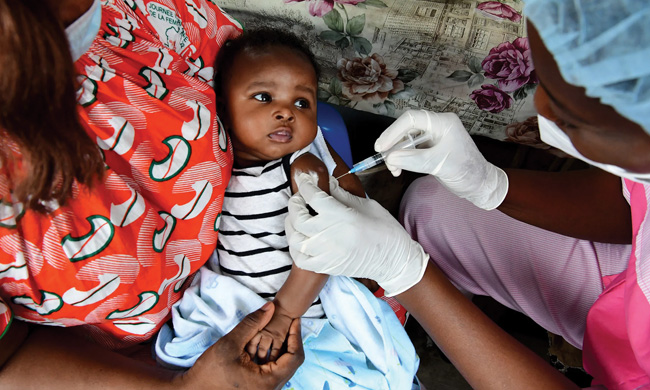
(Family Features) The most meaningful gifts are rarely the ones that can be wrapped and found under a tree. This holiday season, gifts can go beyond just thoughtful presents for family, friends and loved ones and can make real impact for children globally.
As the world faces multiple crises from the war in Ukraine to the malnutrition crisis in the Horn of Africa and devastating floods in Pakistan, giving back to those in need is as crucial as ever.
Handcrafted by talented artisans from all around the world, UNICEF Market is a unique collection of carefully curated gifts ranging from jewelry to apparel, home decor, kitchenware and more. The gifts give back three times over by supporting artisans and helping local economies thrive, assisting vulnerable children in need and making for thoughtful and compassionate gifts for loved ones. By purchasing gifts from the market, individuals can contribute to creating a more equitable world for every child.
Additionally, UNICEFInspired Gifts provide meaningful opportunities to make a difference by donating important resources in the name of a loved one alongside a personalized card or e-greeting. You can help children facing the malnutrition crisis in the Horn of Africa by purchasing High-Energy Biscuits to help a malnourished child survive and grow healthy. To help provide 50 children with the essentials they need to continue their educations, your donation would provide them with backpacks, exercise books, pens and more. You can also provide a donation to fully vaccinate one child for life, providing him or her with the protection needed to live a healthy and happy life.
To help support its lifesaving mission, UNICEF USA’s partners, including MAC, Hallmark, Pandora and more are making a donation for every product sold this holiday season. For example, every cent of MAC’s Viva Glam Lipsticks is donated to organizations around the world supporting healthy futures and equal rights for all like the United Nations Children’s Fund, which is working to reduce HIV transmission from mothers to babies and help end AIDS in adolescents. In addition, for every “Pandora for UNICEF” charm sold through the new year, Pandora will donate a portion of the proceeds to the organization’s work for children’s education, gender equality, rights awareness and more.
This holiday season, spread some joy and make a difference in the world by visiting market.unicefusa.org where you can support efforts to ensure every child is healthy, educated, protected and respected.
SOURCE:
UNICEF
Author
Discover more from Daily News
Subscribe to get the latest posts sent to your email.
Child Health
5 Health Benefits of Whole Milk for Kids
5 Health Benefits of Whole Milk for Kids: With 13 essential nutrients and vitamins – including calcium, vitamin D and protein – real dairy milk is a simple, nutrient-dense staple. It’s also an easy addition to family favorites like Breakfast Cookies and Homemade Cream of Tomato Soup.
Last Updated on November 22, 2025 by Rod Washington
5 Health Benefits of Whole Milk for Kids
(Family Features) Forget the outdated nutrition advice that told parents to skip whole milk. A growing body of research is turning that idea on its head, making it time to rethink what “healthy” means for growing kids. For decades, families have been told low-fat milk is the best choice once children turn 2. However, those recommendations were largely based on data from adults, not children. Today’s evidence paints a different picture – one where whole milk supports kids’ growth, development and long-term health. “Parents are often surprised to learn whole milk isn’t just safe – it’s beneficial,” said Jaclyn London, MS, RD, CDN, nutrition consultant and spokesperson for Dairy Farmers of America. “When we look at the latest research, whole milk provides the high-quality protein, healthy fats and essential nutrients kids need during key stages of development – without increasing risk for obesity or heart disease.” With 13 essential nutrients and vitamins – including calcium, vitamin D and protein – real dairy milk is a simple, nutrient-dense staple. It’s also an easy addition to family favorites like Breakfast Cookies and Homemade Cream of Tomato Soup. Here are five research-backed reasons to feel confident about choosing whole milk. Whole milk is not associated with higher obesity rates. Multiple large-scale studies from “The American Journal of Clinical Nutrition,” the “International Journal of Obesity” and “Preventive Medicine Reports” show children who drink whole milk have lower or similar body fat levels compared to those drinking reduced-fat milk. Whole milk does not increase risk of heart disease. According to “Advances in Nutrition,” whole milk does not increase cardiometabolic risk in kids; in fact, it’s associated with better vitamin D levels with no adverse effects on cholesterol or glucose. It’s nutrient-dense and supports optimal growth. All types of milk, including whole, provide essential nutrients like calcium, protein and vitamins A and D – all critical for bone development and healthy growth in children, per “Nutrition Research Reviews.” Kids like the taste – and that matters. Children often prefer the taste of whole milk over low-fat versions, according to the “Journal of Dairy Science,” which can lead to more consistent consumption. Adults may benefit, too. Among adults, full-fat dairy is associated with greater satiety, improved blood sugar regulation and a reduced risk of metabolic syndrome, according to a study published in “Nutrition & Metabolism,” helping reframe full-fat dairy as part of a balanced diet. Learn more at DFAMilk.com.
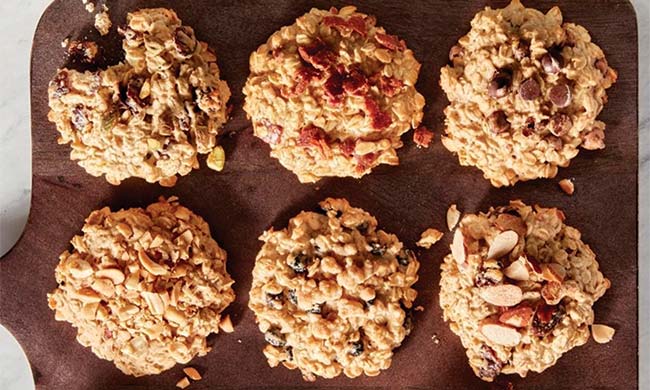
Breakfast Cookies
Prep time: 20 minutes Cook time: 15 minutes Servings: 12 Cookie Base:- 2 1/2 cups old-fashioned oats
- 3/4 cup all-purpose flour
- 1/3 cup firmly packed brown sugar
- 1 teaspoon baking powder
- 1/8 teaspoon salt
- 1/4 cup butter, melted
- 1/2 cup whole milk
- 1 egg
- 1 teaspoon vanilla extract
- Heat oven to 350 F. Line cookie sheets with parchment paper; set aside.
- In large bowl, stir oats, flour, brown sugar, baking powder and salt. In medium bowl, stir butter, milk, egg and vanilla until well mixed; add to oat mixture. Stir until combined and evenly moistened.
- Drop 1/4 cup dough onto prepared cookie sheets. Slightly flatten dough with hand.
- Bake 15-17 minutes, or until lightly browned, firm to touch and baked through. Move to wire rack to cool.
- Variations: Add maple syrup and crumbled bacon; sliced almonds, dried cherries and almond extract; semisweet chocolate chips and banana pieces; or peanuts and peanut butter.
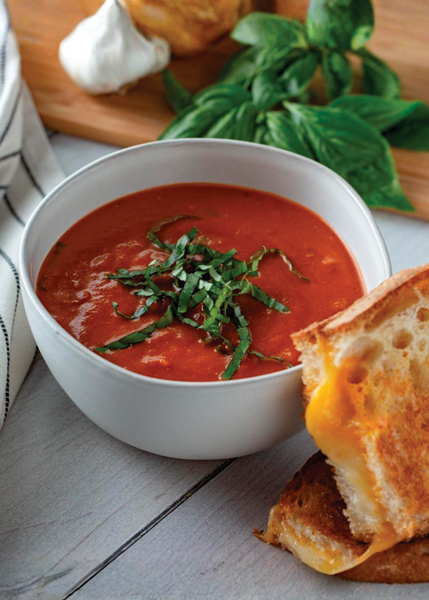
Homemade Cream of Tomato Soup
Prep time: 10 minutes Cook time: 20 minutes Servings: 4- 2 tablespoons olive oil
- 1/2 medium white onion, chopped
- 1 1/2 teaspoons finely chopped garlic
- 1 can (28 ounces) crushed tomatoes
- 1 tablespoon parsley flakes
- 1/4 teaspoon baking soda
- 1 tablespoon roughly chopped fresh basil leaves
- 1 tablespoon honey
- 2-3 cups milk
- salt, to taste
- pepper, to taste
- basil leaves, for garnish (optional)
- In 2-quart saucepan over medium-high heat, heat olive oil; add onion and garlic. Cook, stirring occasionally, until tender, 2-3 minutes. Add tomatoes, parsley and baking soda. Cook until mixture comes to boil. Reduce heat to medium-low; cook 10 minutes. Stir in basil and honey.
- Stir in milk to reach desired consistency. Cook over medium-high heat until heated through, 2-3 minutes. Add salt and pepper, to taste.
- Garnish with basil leaves, if desired.
At our core, we at STM Daily News, strive to keep you informed and inspired with the freshest content on all things food and beverage. From mouthwatering recipes to intriguing articles, we’re here to satisfy your appetite for culinary knowledge.
Visit our Food & Drink section to get the latest on Foodie News and recipes, offering a delightful blend of culinary inspiration and gastronomic trends to elevate your dining experience. https://stmdailynews.com/food-and-drink/
Discover more from Daily News
Subscribe to get the latest posts sent to your email.
Child Health
Pediatrician-Approved Tips to Conquer Holiday Travel with Little Ones
The holiday season is a time for joy and togetherness, but it can often bring stress for parents of young children with the amount of “newness” in each experience, particularly when it comes to seasonal travel.
Last Updated on November 16, 2025 by Rod Washington
(Family Features) The holiday season is a time for joy and togetherness, but it can often bring stress for parents of young children with the amount of “newness” in each experience, particularly when it comes to seasonal travel.
To help make holiday travel with little ones more manageable – whether traveling by bus, train, car or plane – Dr. Whitney Casares, MD, MPH, pediatric medical consultant for Gerber, offers this guidance for families.
Travel Light Especially if traveling by plane, pack as light as possible (or check most of your luggage) so you have less to maneuver through security gates and on the plane. However, for longer trips, packing small, developmentally appropriate toys and snacks can provide perfect entertainment for little ones.
Prepare for Ear Pressure
Babies often scream during takeoff and landing on flights because they can’t easily equalize the pressure in their eustachian tubes, the connection between their ears and the back of the throat. When you’re ascending and descending, give your baby something safe to suck on, like a pacifier, to reduce the buildup of pressure in the ears. Taking small sips of water, breastmilk or formula and yawning are also ways to help babies and toddlers experiencing ear pressure during flights.
Plan for Time Adjustments
For long trips that include time zone changes, expect children to take several days to grow accustomed to their new schedules. Plan an extra day or two for that time adjustment, if possible, when mapping out your trip and make time for stops to stretch, snack and take bathroom breaks.
Pack Convenient Snacks
Having easy-to-access snacks that don’t make a large mess can make travel easier and less stressful. For example, Gerber Plant-Tastic Banana Berry & Veggie Smash with Oats Organic Pouch and Plant-Tastic Lil’ Crunchies White Bean Hummus are nutritious snacks for toddlers that come in resealable containers that are easy to pack for on-the-go families.
Bring Sanitizing Products
Having your own sanitizing wipes on-hand makes it easier to freshen up often-touched surfaces in public spaces like seatback trays, chairs and tables. While safe on most hard surfaces, check the label before using the wipes then allow the area to dry completely before letting your child touch it. Warm, soapy water can also be used to clean toys and other personal products.
Maintain a Consistent Schedule
Keeping your child on his or her normal schedule during the holidays isn’t always feasible and a few imperfections are to be expected during the busy season. However, if your baby’s feeding or sleep schedule does get thrown off by holiday events, try to return to a consistent routine as soon as possible. Be patient with yourself and your little one as you both adjust.
Be Mindful of Anxiety
While attending holiday gatherings, your child may become overwhelmed when meeting new people, including family members. Babies start to develop separation anxiety and apprehension to strangers at about 6 months old as their brains start to understand the concept of object permanence (that something still exists when it is not present). Educating loved ones about this developmental stage can help you feel less anxious about big family gatherings with your little one. If your child is particularly sensitive, try introducing new people in smaller cohorts, as opposed to introducing him or her to the whole group at once.
Take Time for Yourself
While traveling with little ones can be a “bumpy road,” it’s important for parents to also try and enjoy the holidays as much as possible. Making some time for yourself – taking deep breaths, listening to a meditation on an option like the Calm app or playing a favorite song, for example – can help you recharge and relax ahead of a big event.
To find more expert tips and resources to help conquer the holiday season, visit Gerber.com.
Photos courtesy of Getty Images
SOURCE:
Gerber
Author
Discover more from Daily News
Subscribe to get the latest posts sent to your email.





