The largest-ever genetic study of prostate cancer in Black men identified nine new gene variants that increase risk, determined polygenic risk score can predict more aggressive disease.
LOS ANGELES, March 3, 2023 /PRNewswire/ — One in six Black men in the United States will be diagnosed with prostate cancer in his lifetime versus one in eight white men. Black men are more likely to be diagnosed at a younger age, with more aggressive disease, and are more than twice as likely to die of prostate cancer. New findings from Prostate Cancer Foundation (PCF)-funded investigators shed light on the genetic underpinnings of this racial disparity and point the way toward more effective screening strategies.
Studies have identified close to 270 genetic variants linked to prostate cancer risk, but genetic researchers have yet to explain the disproportionate risk among men of African ancestry. Nor have they been able to predict which Black men face a high risk for aggressive prostate cancer.
To address these questions, Christopher Haiman, ScD, director of the Center for Genetic Epidemiology at the Keck School of Medicine of USC and AFLAC Chair of Cancer Research at the USC Norris Comprehensive Cancer Center, led a meta-analysis of 10 genome-wide association studies pooling data representing more than 80,000 men of African ancestry (19,378 men with prostate cancer and 61,620 healthy controls) collected in the U.S., Africa and the Caribbean.
The researchers found nine previously undiscovered genetic variants that increased the risk for prostate cancer in men of African ancestry, seven of which are found either largely or exclusively in Black men. One new variant in the 8q24 region, long known to influence prostate cancer risk, is found only in men of African ancestry. This variant influences the risk of higher rates of aggressive disease among Black men, researchers concluded. They also showed that a multiancestry polygenic risk score was able to differentiate between the risks of developing aggressive and nonaggressive prostate cancer in men of African ancestry. Their study was published March 3 in the peer reviewed journal European Urology.
The newly identified variants can be used to refine polygenic risk scores, genetic tests that assess a person’s risk for developing a condition based on the combined influence of multiple genetic factors and can help patients decide how early and often to get screened.
“Addressing African American disparity in prostate cancer is a critical focus for the Prostate Cancer Foundation and we congratulate Dr. Haiman and colleagues on their findings which will lead to more effective precision screening strategies for men of African ancestry,” said PCF President and CEO Charles J. Ryan, MD. “Through the Robert F. Smith-PCF Special Challenge Award for the Smith Polygenic Risk Test, we are proud to invest in the vital work of Dr. Haiman and all of the RESPOND investigators to understand and address the reasons why Black men disproportionately experience aggressive prostate cancer.”
Haiman and collaborators study prostate cancer among Black men through the $26.5 million, multi-center RESPOND (Research on Prostate Cancer in African American Men: Defining the Roles of Genetics, Tumor Markers and Social Stress) study, funded by the PCF, the National Cancer Institute, and the National Institute on Minority Health and Health Disparities. This work is ongoing, including research into how social determinants, access to care, genetics, and tumor characteristics affect prostate cancer diagnosis, progression, recurrence and survival rates.
With funding support from PCF and Robert F. Smith, Haiman and colleagues also are working to develop the Smith Polygenic Risk Test for Prostate Cancer, a non-invasive, early detection test that will identify a man’s lifetime prostate cancer risk using a combination of the nearly 270 genetic variants obtained from a single sample of saliva or blood.
“The results of this research will markedly change the ways physicians test for prostate cancer. We now have the ability to identify at-risk men before they develop the disease and proactively implement the most effective preventive measures and treatments,” said Robert F. Smith, Founder, Chairman and CEO of Vista Equity Partners. “We must continue to make investments in health equity research and transform prostate cancer from a life-altering diagnosis into a manageable condition.”
Advertisement
Since its founding in 1993, PCF has invested over $30 million in health disparities research through 48 different research programs with more than 20 institutional collaborators.
About the Prostate Cancer Foundation The Prostate Cancer Foundation (PCF) is the world’s leading philanthropic organization dedicated to funding life-saving prostate cancer research. Founded in 1993 by Mike Milken, PCF has been responsible for raising close to $1 billion in support of cutting-edge research by more than 2,250 research projects at 245 leading cancer centers in 28 countries around the world. Since PCF’s inception, and through its efforts, patients around the world are living longer, suffering fewer complications, and enjoying better quality of life. PCF is committed to creating a global public square for prostate cancer, in service to our mission of ending death and suffering from the disease. Learn more at pcf.org.
FDA’s COVID-19 Vaccine Safety Claims Lack Solid Evidence—Why Overreaction Could Harm Public Health
COVID-19 vaccine safety: The FDA’s claims about COVID-19 vaccine deaths in children lack strong evidence and could restrict vaccine access. Learn why experts say VAERS reports aren’t proof, and how overreacting may harm public health and trust in vaccines.
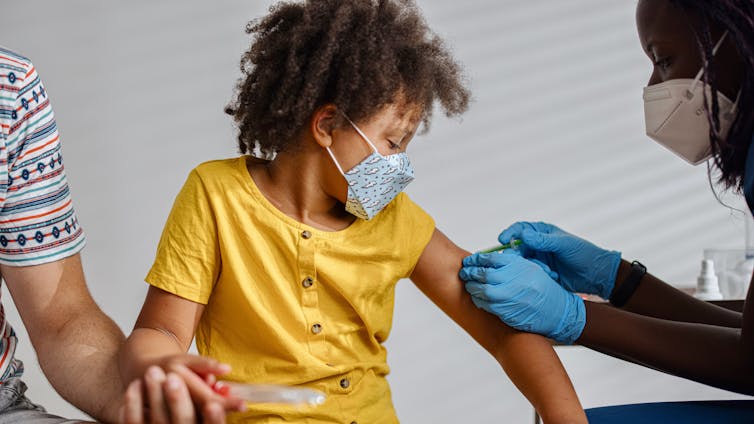
The death of children due to an unsafe vaccine is a serious allegation. I am a pediatric cardiologist who has studied the link between COVID-19 vaccines and heart-related side effects such as myocarditis in children. To my knowledge, studies to date have shown such side effects are rare, and severe outcomes even more so. However, I am open to new evidence that could change my mind. But without sufficient justification and solid evidence, restricting access to an approved vaccine and changing well-established procedures for testing vaccines would carry serious consequences. These moves would limit access for patients, create roadblocks for companies and worsen distrust in vaccines and public health. In my view, it’s important for people reading about these FDA actions to understand how the evidence on a vaccine’s safety is generally assessed.
Determining cause of death
The FDA memo claims that the deaths of these children were directly related to receiving a COVID-19 immunization. From my perspective as a clinician, it is awful that any child should die from a routine vaccination. However, health professionals like me owe it to the public to uphold the highest possible standards in investigating why these deaths occurred. If the FDA has evidence demonstrating something that national health agencies worldwide have missed – widespread child deaths due to myocarditis caused by the COVID-19 vaccine – I don’t doubt that even the most pro-vaccine physician will listen. So far, however, no such evidence has been presented. While a death logged in VAERS is a starting point, on its own it is insufficient to conclude whether a vaccine caused the death or other medical causes were to blame. To demonstrate a causal link, FDA staff and physicians must align the VAERS report with physicians’ assessments of the patient, as well as data from other sources for monitoring vaccine safety. These include PRISM, which logs insurance claims data, and the Vaccine Safety Datalink, which tracks safety signals in electronic medical records. It’s known that most deaths logged only in VAERS of children who recently received vaccines have been incorrectly attributed to the vaccines – either by accident or in some cases on purpose by anti-vaccine activists.
Heart-related side effects of COVID-19 vaccines
In his Substack and Twitter accounts, Prasad has said that he believes the rate of severe cardiac side effects after COVID-19 vaccination is severely underestimated and that the vaccines should be restricted far more than they currently are. In a July 2025 presentation, Prasad quoted a risk of 27 cases per million of myocarditis in young men who received the COVID-19 vaccine. A 2024 review suggested that number was a bit lower – about 20 cases out of 1 million people. But that same study found that unvaccinated people had greater risk of heart problems after a COVID-19 infection than vaccinated people. In a different study, people who got myocarditis after a COVID-19 vaccination developed fewer complications than people who got myocarditis after a COVID-19 infection. Existing vaccine safety infrastructure in the U.S. successfully identifies dangers posed by vaccines – and did so during the COVID-19 pandemic. Today, most COVID-19 vaccines in the U.S. rely on mRNA technology. But as vaccines were first emerging during the COVID-19 pandemic, two pharmaceutical companies, Janssen and AstraZeneca, rolled out a vaccine that used a different technology, called a viral vector. This type of vaccine had a very rare but genuine safety problem that was detected.A report in VAERS is at most a first step to determining whether a vaccine caused harm. VAERS, the Vaccine Safety Datalink, clinical investigators in the U.S. and their European counterparts detected that these vaccines did turn out to cause blood clotting. In April 2021, the FDA formally recommended pausing their use, and they were later pulled from the market. Death due to myocarditis from COVID-19 vaccination is exceedingly rare. Demonstrating that it occurred requires proof that the person had myocarditis, evidence that no other reasonable cause of death was present, and the absence of any additional cause of myocarditis. These factors cannot be determined from VAERS data, however – and to date, the FDA has presented no other relevant data.
A problematic vision for future vaccine approvals
Currently, vaccines are tested both by seeing how well they prevent disease and by how well they generate antibodies, which are the molecules that help your body fight viruses and bacteria. Some vaccines, such as the COVID-19 vaccine and the influenza vaccine, need to be updated based on new strains. The FDA generally approves these updates based on how well the new versions generate antibodies. Since the previous generation of vaccines was already shown to prevent infection, if the new version can generate antibodies like the previous one, researchers assume its ability to prevent infection is comparable too. Later studies can then test how well the vaccines prevent severe disease and hospitalization. The FDA memo says this approach is insufficient and instead argues for replacing such studies with many more placebo-controlled trials – not just for COVID-19 vaccines but also for widely used influenza and pneumonia vaccines. That may seem reasonable theoretically. In practice, however, it is not realistic. Today’s influenza vaccines must be changed every season to reflect mutations to the virus. If the FDA were to require new placebo-controlled trials every year, the vaccine being tested would become obsolete by the time it is approved. This would be a massive waste of time and resources.Influenza vaccines must be updated for every flu season.Jacob Wackerhausen/iStock via Getty Images Plus Also, detecting vaccine-related myocarditis at the low rate at which it occurs would have required clinical trials many times larger than the ones that were done to approve COVID-19 mRNA vaccines. This would have cost at least millions of dollars more, and the delay in rolling out vaccines would have also cost lives. Placebo-controlled trials would require comparing people who receive the updated vaccine with people who remain unvaccinated. When an older version of the vaccine is already available, this means purposefully asking people to forgo that vaccine and risk infection for the sake of the trial, a practice that is widely considered unethical. Current scientific practice is that only a brand-new vaccine may be compared against placebo. While suspected vaccine deaths should absolutely be investigated, stopping a vaccine for insufficient reasons can lead to a significant drop in public confidence. That’s why it’s essential to thoroughly and transparently investigate any claims that a vaccine causes harm.
PFAS in pregnant women’s drinking water puts their babies at higher risk, study finds
A new study shows pregnant women exposed to PFAS-contaminated drinking water face higher risks of low birth weight, preterm birth, and infant mortality. Learn how PFAS, or “forever chemicals,” impact babies and what you can do to reduce exposure.
PFAS, or perfluoroalkyl and polyfluoroalkyl substances, have captured the attention of the public and regulators in recent years for good reason. These man-made compounds persist in the environment, accumulate in human bodies and may cause harm even at extremely low concentrations. Most current knowledge about the reproductive effects of PFAS comes from laboratory studies on animals such as rats, or from correlations between PFAS levels in human blood and health outcomes. Both approaches have important limitations. Rats and humans have different bodies, exposures and living conditions. And independent factors, such as kidney functioning, may in some cases be the true drivers of health problems. We wanted to learn about the effects of PFAS on real-world human lives in a way that comes as close as possible to a randomized experiment. Intentionally exposing people to PFAS would be unethical, but the environment gave us a natural experiment of its own. We looked at the locations of wells that supply New Hampshire residents with drinking water and how those locations related to birth outcomes. We collected data on all births in the state from 2010 to 2019 and zoomed in on the 11,539 births that occurred within 3.1 miles (5 kilometers) of a site known to be contaminated with PFAS and where the mothers were served by public water systems. Some contamination came from industries, other from landfills or firefighting activities.A conceptual illustration shows how PFAS can enter the soil and eventually reach groundwater, which flows downhill. Industries and airports are common sources of PFAS. The homes show upstream (left) and downstream (right) wells.Melina Lew PFAS from contaminated sites slowly migrate down through soil into groundwater, where they move downstream with the groundwater’s flow. This created a simple but powerful contrast: pregnant women whose homes received water from wells that were downstream, in groundwater terms, from the PFAS source were likely to have been exposed to PFAS from the contaminated site, but those who received water from wells that were upstream of those sites should not have been exposed. Using outside data on PFAS testing, we confirmed that PFAS levels were indeed greater in “downstream” wells than in “upstream” wells. The locations of utilities’ drinking water wells are sensitive data that are not publicly available, so the women likely would not have known whether they were exposed. Prior to the state beginning to test for PFAS in 2016, they may not have even known the nearby site had PFAS.
PFAS connections to the riskiest births
We found what we believe is clear evidence of harm from PFAS exposure. Women who received water from wells downstream of PFAS-contaminated sites had on average a 43% greater chance of having a low-weight baby, defined as under 5.5 pounds (2,500 grams) at birth, than those receiving water from upstream wells with no other PFAS sources nearby. Those downstream had a 20% greater chance of a preterm birth, defined as before 37 weeks, and a 191% greater chance of the infant not surviving its first year. Per 100,000 births, this works out to 2,639 additional low-weight births, 1,475 additional preterm births and 611 additional deaths in the first year of life. Looking at the cases with the lowest birth weights and earliest preterm births, we found that the women receiving water from wells downstream from PFAS sources had a 180% greater chance of a birth under 2.2 pounds (1,000 grams) and a 168% greater chance of a birth before 28 weeks than those with upstream wells. Per 100,000 births, that’s about 607 additional extremely low-weight births and 466 additional extremely preterm births.
PFAS contamination is costly
When considering regulations to control PFAS, it helps to express the benefits of PFAS cleanup in monetary terms to compare them to the costs of cleanup. Researchers use various methods to put a dollar value on the cost of low-weight and preterm births based on their higher medical bills, lower subsequent health and decreased lifetime earnings. We used the New Hampshire data and locations of PFAS-contaminated sites in 11 other states with detailed PFAS testing to estimate costs from PFAS exposure nationwide related to low birth weight, preterm births and infant mortality. The results are eye-opening. We estimate that the effects of PFAS on each year’s low-weight births cost society about US$7.8 billion over the lifetimes of those babies, with more babies born every year. We found the effects of PFAS on preterm births and infant mortality cost the U.S. about $5.6 billion over the lifetimes of those babies born each year, with some of these costs overlapping with the costs associated with low-weight births. An analysis produced for the American Water Works Association estimated that removing PFAS from drinking water to meet the EPA’s PFAS limits would cost utilities alone $3.8 billion on an annual basis. These costs could ultimately fall on water customers, but the broader public also bears much of the cost of harm to fetuses. We believe that just the reproductive health benefits of protecting water systems from PFAS contamination could justify the EPA’s rule.
Treating PFAS
There is still much to learn about the risks from PFAS and how to avoid harm. We studied the health effects of PFOA and PFOS, two “long-chain” species of PFAS that were the most widely used types in the U.S. They are no longer produced in the U.S., but they are still present in soil and groundwater. Future work could focus on newer, “short-chain” PFAS, which may have different health impacts.If the water utility isn’t filtering for PFAS, or if that information isn’t known, people can purchase home water system filters to remove PFAS before it reaches the faucet.Compassionate Eye Foundation/David Oxberry via Getty ImagesPFAS are in many types of products, and there are many routes for exposure, including through food. Effective treatment to remove PFAS from water is an area of ongoing research, but the long-chain PFAS we studied can be removed from water with activated carbon filters, either at the utility level or inside one’s home. Our results indicate that pregnant women have special reason to be concerned about exposure to long-chain PFAS through drinking water. If pregnant women suspect their drinking water may contain PFAS, we believe they should strongly consider installing water filters that can remove PFAS and then replacing those filters on a regular schedule. Derek Lemoine, Professor of Economics, University of Arizona; Ashley Langer, Professor of Economics, University of Arizona, and Bo Guo, Associate Professor of Hydrology, University of Arizona This article is republished from The Conversation under a Creative Commons license. Read the original article.
The science section of our news blog STM Daily News provides readers with captivating and up-to-date information on the latest scientific discoveries, breakthroughs, and innovations across various fields. We offer engaging and accessible content, ensuring that readers with different levels of scientific knowledge can stay informed. Whether it’s exploring advancements in medicine, astronomy, technology, or environmental sciences, our science section strives to shed light on the intriguing world of scientific exploration and its profound impact on our daily lives. From thought-provoking articles to informative interviews with experts in the field, STM Daily News Science offers a harmonious blend of factual reporting, analysis, and exploration, making it a go-to source for science enthusiasts and curious minds alike. https://stmdailynews.com/category/science/
Empowering Seniors for Safer Online Experiences: 6 Practical Safety Tips for Caregivers and Families
Safety Tips for Caregivers: Empower seniors with essential online safety tips. Learn 6 practical strategies caregivers can use to help older adults navigate digital threats, scams, and security risks confidently.
Empowering Seniors for Safer Online Experiences: 6 Practical Safety Tips for Caregivers and Families
(Family Features) Today’s seniors aren’t shying away from a world that has become increasingly reliant on technology. Quite the opposite, in fact, as recent survey findings suggest adults ages 65 and older are more digitally active and self-assured than ever before. Nearly all seniors surveyed as part of the “Connecting the Digital Dots: Online Habits and Safety Concerns Across Three Generations” survey from Cox Mobile consider themselves digitally literate, using devices for shopping, banking, social media and entertainment. With older adults spending a significant amount of time connected to the digital world – 41% of those surveyed reported spending five or more hours online daily – they’re also more at-risk for scams, viruses like malware and data breaches. Even though 61% of seniors who encountered digital threats were able to mitigate the issues themselves, showing their growing digital capability, increased online engagement brings new challenges and responsibilities for caregivers, who often play a crucial role in supporting seniors’ digital journeys. To help support older loved ones’ safety and confidence as they navigate an evolving digital landscape, Cox Mobile, in partnership with Common Sense Media, offers educational materials on digital safety, smart device use and media literacy for all ages. In addition, these practical safety strategies can help empower seniors to make informed, safe choices online. Encourage Strong Passwords: Simple passwords, like number sequences, keyboard patterns or personal information – such as variations of your name, birthdate, address or names of pets or loved ones – are easily guessable and may lead to issues. While the survey found 70% of seniors already create strong, unique passwords, encourage them to avoid reusing passwords across sites. Recommend a password manager app to safely store passwords and eliminate the need to write them all down, which could lead to a breach if not stored properly. Promote Security Software: If devices aren’t protected, even the most careful users are susceptible to viruses. Though 63% of those surveyed have security software installed, it’s important to regularly make sure it’s up to date (or that automatic updates are enabled) and covers all devices, including laptops, tablets and smartphones. Enable Multi-Factor Authentication: A simple and effective way to stop most attempts at unauthorized account access, 60% of seniors are already using multi-factor authentication as an extra layer of protection. Some seniors, however, may need assistance setting up the safeguard, which typically sends a code to a phone number or email address as part of the login process, for online banking, email or social media accounts. Review Apps and Channels: Over time, it can be easy to accumulate apps on smartphones and tablets. While 51% of surveyed seniors remove unsafe apps, make it a habit to regularly check loved ones’ devices for unfamiliar or suspicious applications and delete them. Also keep an eye out for unauthorized charges, data sharing or browser extensions. Utilize Built-In Safety Features: Explore privacy controls on individual devices (and apps) and check with your loved ones’ internet service provider to ensure security features are being utilized like the 43% of those surveyed who are already taking advantage of their devices’ safety settings. Included privacy protections may include limiting data sharing, disabling location tracking, blocking pop-ups and restricting other unwanted communication. Discuss Online Safety Regularly: Because technology is ever-changing, it’s important for caregivers to talk with senior loved ones about online safety. Open, ongoing conversations, like those one-third of seniors are already having several times a week or even daily, can help build trust and awareness of current scams, suspicious texts or emails, commonly used apps and more. By fostering open dialogue, sharing practical safety strategies and leveraging trusted resources, caregivers can help their loved ones thrive and stay safe. Visit your local Cox Mobile store or go to CoxMobileSafety.com to find more tips, guides and full survey results. SOURCE:Cox Communications













 Promote Security Software: If devices aren’t protected, even the most careful users are susceptible to viruses. Though 63% of those surveyed have security software installed, it’s important to regularly make sure it’s up to date (or that automatic updates are enabled) and covers all devices, including laptops, tablets and smartphones. Enable Multi-Factor Authentication: A simple and effective way to stop most attempts at unauthorized account access, 60% of seniors are already using multi-factor authentication as an extra layer of protection. Some seniors, however, may need assistance setting up the safeguard, which typically sends a code to a phone number or email address as part of the login process, for online banking, email or social media accounts. Review Apps and Channels: Over time, it can be easy to accumulate apps on smartphones and tablets. While 51% of surveyed seniors remove unsafe apps, make it a habit to regularly check loved ones’ devices for unfamiliar or suspicious applications and delete them. Also keep an eye out for unauthorized charges, data sharing or browser extensions. Utilize Built-In Safety Features: Explore privacy controls on individual devices (and apps) and check with your loved ones’ internet service provider to ensure security features are being utilized like the 43% of those surveyed who are already taking advantage of their devices’ safety settings. Included privacy protections may include limiting data sharing, disabling location tracking, blocking pop-ups and restricting other unwanted communication. Discuss Online Safety Regularly: Because technology is ever-changing, it’s important for caregivers to talk with senior loved ones about online safety. Open, ongoing conversations, like those one-third of seniors are already having several times a week or even daily, can help build trust and awareness of current scams, suspicious texts or emails, commonly used apps and more. By fostering open dialogue, sharing practical safety strategies and leveraging trusted resources, caregivers can help their loved ones thrive and stay safe. Visit your local Cox Mobile store or go to




