

STM Blog
Scraping the sky; top 10 tallest buildings in the US

Last Updated on June 29, 2024 by Daily News Staff
As a nation that boasts some of the world’s most impressive architectural feats, the United States is home to some of the tallest buildings on the planet. From the iconic Empire State Building in New York City to the towering Willis Tower in Chicago, these structures have become symbols of American innovation, engineering, and progress. Here are the top ten tallest buildings in the United States, ranked by height.
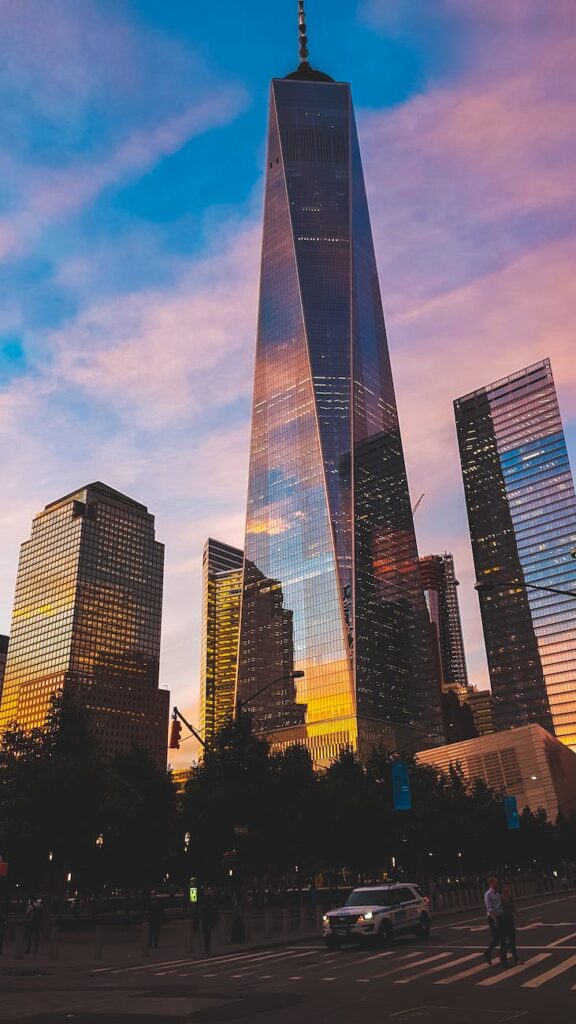
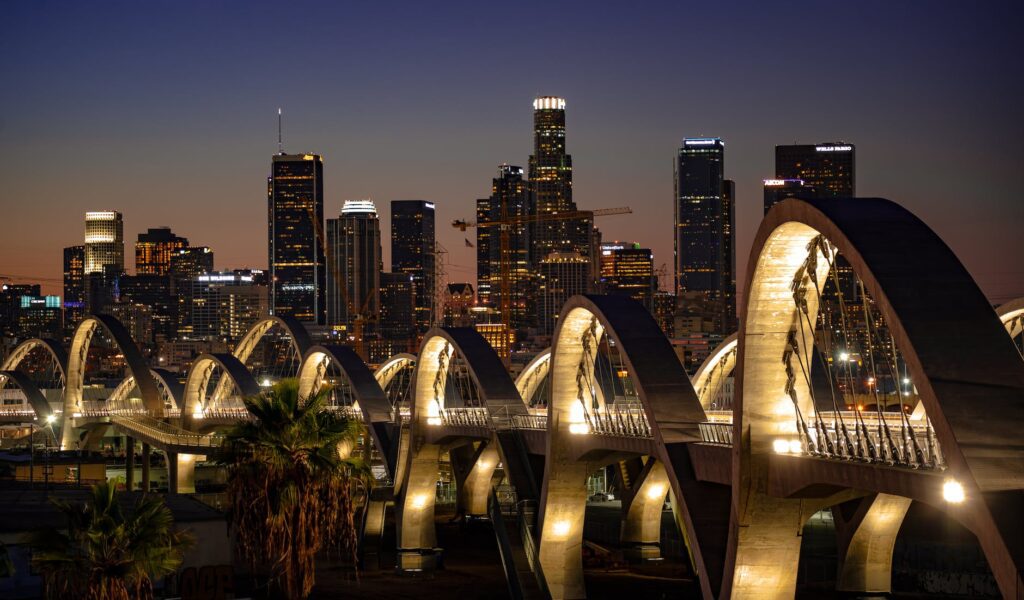
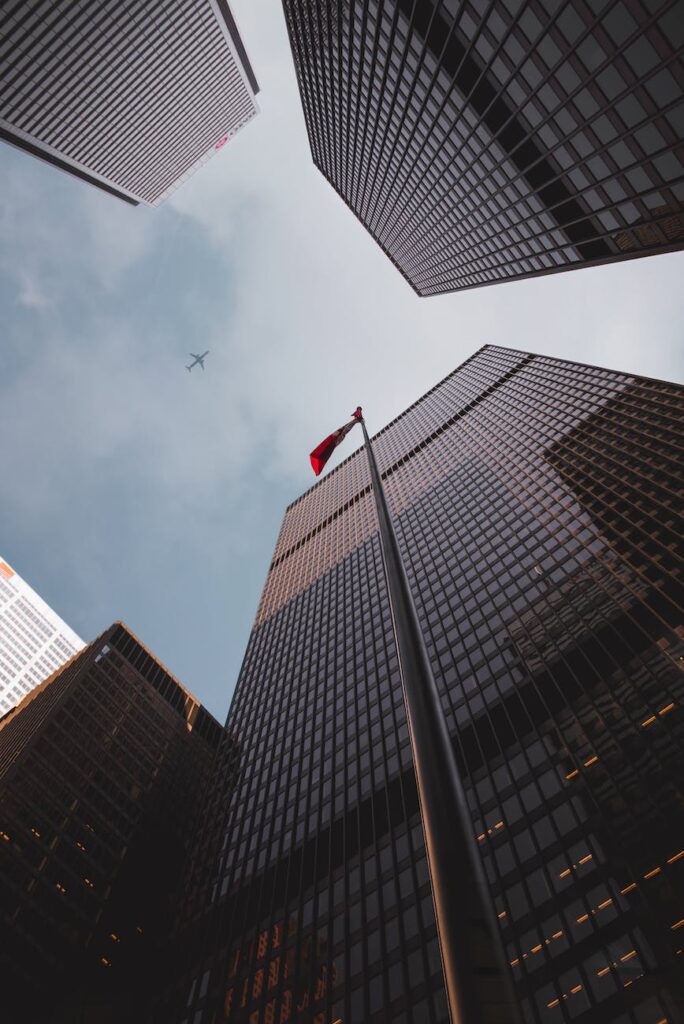
- One World Trade Center (New York City, NY): Standing at an impressive 1,776 feet tall, One World Trade Center is the tallest building in the United States. Completed in 2013, this iconic structure was built on the site of the original World Trade Center, which was destroyed in the terrorist attacks of September 11, 2001.
- Willis Tower (Chicago, IL): Formerly known as the Sears Tower, the Willis Tower stands at 1,450 feet tall. Completed in 1973, it held the title of the world’s tallest building for over two decades before being surpassed by the Petronas Towers in Kuala Lumpur, Malaysia.
- 432 Park Avenue (New York City, NY): Completed in 2015, this residential skyscraper stands at 1,396 feet tall. Located in the heart of Manhattan, it boasts some of the most luxurious apartments in the world.
- Trump International Hotel and Tower (Chicago, IL): Standing at 1,389 feet tall, this iconic building has become a symbol of American wealth and extravagance. Completed in 2009, it is one of the tallest buildings in the world.
- Empire State Building (New York City, NY): Completed in 1931, the Empire State Building stood as the world’s tallest building for over 40 years. Today, it stands at 1,250 feet tall, making it one of the most recognizable landmarks in the country.
- Bank of America Tower (New York City, NY): Standing at 1,200 feet tall, this LEED-certified building boasts some of the most advanced green technologies in the world. Completed in 2009, it is one of the most sustainable buildings in the United States.
- Aon Center (Chicago, IL): Completed in 1973, the Aon Center stands at 1,136 feet tall. It was originally known as the Standard Oil Building, and remains one of the most iconic structures in the city.
- Wilshire Grand Center (Los Angeles, CA): Standing at 1,100 feet tall, this skyscraper is the tallest building on the West Coast. Completed in 2017, it features a stunning glass facade and state-of-the-art design.
- Comcast Technology Center (Philadelphia, PA): Completed in 2018, this 1,121-foot-tall skyscraper is the tallest building in Philadelphia. It features a sleek, modern design and is home to some of the most innovative companies in the world.
- John Hancock Center (Chicago, IL): Completed in 1969, the John Hancock Center stands at 1,128 feet tall. It is one of the most iconic buildings in Chicago, and remains a testament to American engineering and innovation.
In conclusion, the United States is home to some of the tallest and most impressive buildings in the world. From the soaring skyscrapers of New York City to the sleek, modern designs of Los Angeles and Philadelphia, these structures are a testament to American innovation, engineering, and progress.
https://en.wikipedia.org/wiki/List_of_tallest_buildings_in_the_United_States
https://stmdailynews.com/category/stm-blog/blog/
https://stmdailynews.com/stm-daily-news-vlog
Author


Last Updated on April 2, 2026 by Daily News Staff
🕒 [UPDATE] Orion Performs Translunar Injection Burn
The spacecraft has completed its critical engine burn, sending Artemis II on a trajectory toward the Moon. This marks the official start of its deep space journey.

Artemis II Successfully Launches
CAPE CANAVERAL, Fla. — NASA has successfully launched its Artemis II mission, marking the first crewed journey toward the Moon in more than 50 years.
The powerful Space Launch System (SLS) rocket lifted off from Kennedy Space Center on April 1, carrying four astronauts on a 10-day mission around the Moon and back.
On board are Commander Reid Wiseman, Pilot Victor Glover, Mission Specialist Christina Koch, and Canadian astronaut Jeremy Hansen. The mission is already being hailed as a major milestone in NASA’s effort to return humans to deep space.
Shortly after liftoff, the Orion spacecraft successfully reached orbit and deployed its solar arrays, beginning its journey that will eventually send the crew on a translunar trajectory toward the Moon. 
Artemis II is a lunar flyby mission, meaning astronauts will not land but will travel farther from Earth than any human mission in decades while testing critical systems needed for future landings.
The mission also marks several historic firsts, including the first woman and the first person of color—Victor Glover—to travel into lunar space.
NASA says the mission is a key step toward future lunar landings and long-term plans to establish a human presence on the Moon later this decade.
🛰️ Artemis II Mission Timeline
The 10-day Artemis II mission follows a carefully planned trajectory from Earth to the Moon and back:
- Day 1: Launch and Earth orbit
- Day 1–2: Translunar injection burn
- Days 2–4: Deep space travel
- Days 4–5: Lunar flyby
- Days 5–8: Return to Earth
- Days 9–10: Reentry and splashdown
For official updates and in-depth mission details, visit the following trusted sources:
- NASA: Artemis II Mission Overview
- NASA Artemis Program (Return to the Moon)
- Orion Spacecraft – Mission Details
- Space Launch System (SLS) Rocket Overview
- Kennedy Space Center – Launch Operations
- Watch NASA Live Coverage and Replays
🧾 Sources
- NASA official launch coverage and mission updates
- NASA Artemis II press materials and briefings
- NASA Kennedy Space Center launch operations updates
Stay with STM Daily News for live updates on Artemis II.

Feeding America is marking National Agriculture Day by recognizing farmers, ranchers, and producers as key partners in the fight against hunger.
In a March 24 press release, the organization said the agricultural community plays a vital role in helping food banks and pantries deliver fresh, nutritious food to families across the country. Feeding America noted that produce, dairy, and protein are among the most requested foods by neighbors facing hunger and make up half of all food distributed through its network.
The organization said that in 2025, its network worked with growers to rescue 971 million pounds of fresh produce, helping redirect surplus food to communities in need. Feeding America also pointed to federal nutrition and farm support programs, saying government purchases from U.S. growers provide more than 20% of the food distributed through its network.
Ami McReynolds, Feeding America’s chief advocacy and community partnerships officer, said supporting farmers is directly connected to helping families access healthy meals. The organization is also urging Congress to support additional farm aid and a Farm Bill that strengthens nutrition programs.
Feeding America said a recent poll found that 95% of voters view hunger as a nonpartisan issue, reinforcing support for collaborative solutions between agriculture, food banks, and policymakers.
Related Links
Source Links
The Bridge is a section of the STM Daily News Blog meant for diversity, offering real news stories about bona fide community efforts to perpetuate a greater good. The purpose of The Bridge is to connect the divides that separate us, fostering understanding and empathy among different groups. By highlighting positive initiatives and inspirational actions, The Bridge aims to create a sense of unity and shared purpose. This section brings to light stories of individuals and organizations working tirelessly to promote inclusivity, equality, and mutual respect. Through these narratives, readers are encouraged to appreciate the richness of diverse perspectives and to participate actively in building stronger, more cohesive communities.
https://stmdailynews.com/the-bridge
Author

Community
McDonald’s First Job Confessional Turns Career Stories Into Free Meal Opportunity
McDonald’s is launching First Job Confessional, a campaign inviting fans to share first job stories for a chance to receive a $15 gift card in select cities.


First Job Confessional
McDonald’s is putting first jobs in the spotlight with a new campaign that asks fans to share the real-world skills they gained early in their working lives. Launched on National Employee Appreciation Day, the brand’s First Job Confessional invites people to reflect on how those first roles helped shape their careers — and, in some cases, earn a free meal in the process.
The campaign is built around a simple idea: first jobs often teach lasting skills that deserve more recognition. Whether someone learned problem-solving while babysitting, communication during a lunch rush, or teamwork behind a counter, McDonald’s is framing those experiences as valuable career foundations. The company says those are the same kinds of skills employers continue to prioritize as workplace demands evolve.

How the First Job Confessional Works
In select cities, McDonald’s is setting up confessional booths designed to look like ordering kiosks. But instead of placing a meal order, participants can record a story about their first job and the skills they picked up along the way. Those who take part in person will have the opportunity to receive a $15 McDonald’s gift card, while supplies last.
Fans who cannot attend in person can still join online by posting their stories using #FirstJobConfessional. McDonald’s says selected videos may also be featured on its YouTube channel, extending the campaign beyond the live events.
External Related Links
- McDonald’s corporate article: McDonald’s is Asking Fans to Get Real About Their First Job Skills in Exchange for Free Meals
- McDonald’s 1 in 8: First Job Confessional
- McDonald’s 1 in 8 home page
- Marketing Dive coverage of the campaign
- Parade coverage of the First Job Confessional tour
Source Links
- Original PRNewswire press release from McDonald’s USA, LLC
- McDonald’s official corporate story
- McDonald’s 1 in 8 First Job Confessional page
- McDonald’s 1 in 8 official website
The Bridge is a section of the STM Daily News Blog meant for diversity, offering real news stories about bona fide community efforts to perpetuate a greater good. The purpose of The Bridge is to connect the divides that separate us, fostering understanding and empathy among different groups. By highlighting positive initiatives and inspirational actions, The Bridge aims to create a sense of unity and shared purpose. This section brings to light stories of individuals and organizations working tirelessly to promote inclusivity, equality, and mutual respect. Through these narratives, readers are encouraged to appreciate the richness of diverse perspectives and to participate actively in building stronger, more cohesive communities.
https://stmdailynews.com/the-bridge





