

fitness
The health risks of sitting
A sedentary lifestyle can have serious implications on your health.

Last Updated on March 28, 2023 by Daily News Staff
In today’s world, most people are glued to their desks or computers for extended periods of time. With long hours of sitting and minimal movement, it is no surprise that a sedentary lifestyle can have serious implications on your health. Research shows that sitting for long periods of time can lead to a variety of health problems, including obesity, heart disease, diabetes, and even cancer.
The human body is designed to move regularly, and when we remain stationary for hours on end, it can cause health problems. Sitting for long periods of time can cause the muscles to weaken, leading to poor posture, back pain, and spinal problems. Additionally, sitting for long periods of time can cause blood to pool in the legs, increasing the risk of blood clots and deep vein thrombosis.
Furthermore, sitting for long periods of time can have a negative impact on cardiovascular health. This is because when we sit, our heart rate slows down, resulting in a reduction in blood flow to the heart. This can cause an accumulation of plaque in the arteries, leading to heart disease and other related problems.
Another negative impact of sitting for long periods of time is on the digestive system. When we sit for long periods, we put pressure on our internal organs, causing digestive problems such as constipation and bloating. This can lead to other health issues such as irritable bowel syndrome.
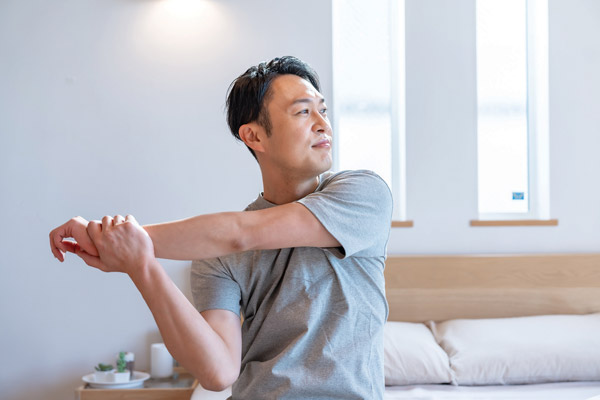
To combat the negative effects of sitting for long periods of time, it is important to take regular breaks and stand up and stretch. Experts recommend taking a five to ten-minute break every hour to stand, stretch, and move around. Additionally, incorporating physical activity into your daily routine, such as taking a walk during lunchtime or participating in an exercise class, can have a positive impact on your health.
In conclusion, sitting for long periods of time can have serious implications on your health. It is important to take regular breaks, stand up, and move around to combat the negative effects of a sedentary lifestyle. Incorporating physical activity into your daily routine can also have a significant impact on your overall health and well-being. So, the next time you find yourself sitting for long periods, remember to take a break and move around, your body will thank you for it.
https://stmdailynews.com/category/lifestyle/health-and-wellness/health/
Mayo Clinic: What are the risks of sitting too much?
Author


health and wellness
Progress, Not Perfection: How Healthy Habits Can Stack Up One Step at a Time
The article emphasizes that achieving better health relies on progress, not perfection. It advocates for realistic goals and highlights tools like My Life Check for personalized health assessments. Small, manageable changes in diet, exercise, sleep, and stress management can significantly impact overall well-being, making healthy habits more attainable and sustainable.

Last Updated on April 1, 2026 by Daily News Staff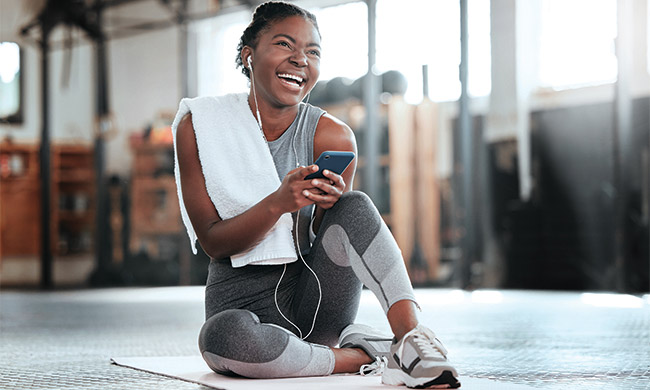
Progress, Not Perfection: How Healthy Habits Can Stack Up One Step at a Time
(Feature Impact) Despite the best of intentions, it’s common for plans to build healthier habits to fall flat. Often, the culprit isn’t a lack of motivation or discipline; rather, it’s unrealistic expectations.
Overhauling your lifestyle requires a level of commitment that isn’t always practical. Understanding your personal health needs and the challenges you need to overcome can help give you a more realistic roadmap toward better health.
Tools to Guide You
Every plan needs a starting point and there are many reputable sources that can help guide you toward a plan that addresses your personal health needs.
For example, the American Heart Association introduced My Life Check, a simple, free tool to help individuals understand their heart health and what’s driving it. Users answer simple questions about their daily habits and health factors to get a personalized Heart Health Score in minutes.
The results are private and downloadable, giving you full control of your information. The tool turns big goals into small, specific actions you can start right away. Knowing your numbers relative to your heart health (and where you are in comparison to target ranges for optimal health) can help you decide how to build a better map to get you where you want to be.
While the report is customized to each individual, no personal data is stored and answers are only used to calculate health scores and provide personalized recommendations and practical steps to improve your health, so you can use your results to focus on what matters most to you. Every small step you take, such as moving more, eating smarter, sleeping better or managing stress, can add up over time.
Finding Your Path
Once you’re armed with data and know where you stand on your heart health numbers, small steps become clearer and more manageable. That knowledge makes it easier to choose one area to focus on, such as getting more sleep, taking daily walks or adding more color to your meals.
Healthy changes don’t need to be expensive or complicated. The best habits are ones that fit real life when every action you take moves you closer to your goals.
Staying motivated and on track is also easier when you can check back in, see your progress and realize the steps you’re taking are making an impact. Checking in every few months to see how you can grow gives you the chance to celebrate your progress, learn from challenges and keep building lasting habits that feel good.
To get started with personalized tips to set your own health goals, visit heart.org/mylifecheck.
Healthy Habits for Everyday Life
Eat Smart
Choose foods that help you feel your best, one meal at a time. Add more color to your plate and focus on balance, not restriction. Simple, affordable swaps can make a real difference.
Smart Tip: Aim for an overall healthy eating pattern that includes whole foods, fruits and vegetables, lean protein, nuts, seeds and cooking in non-tropical oils such as olive and canola.
Move More
Find movement that fits your life, such as a walk, a stretch or dancing while you cook. Every bit of activity counts and it all supports your heart and mind. Move for joy, not just for results.
Smart Tip:Adults should get 150 minutes of moderate physical activity (or 75 minutes of vigorous activity) per week. Kids should aim for 60 minutes every day, including play and structured activities.
Sleep Well
Rest is a foundation of good health, not a reward. Protect your bedtime routine and give your body the recovery it deserves. Notice how good sleep makes everything else easier.
Smart Tip: Most adults need 7-9 hours of sleep each night. Children require more. Adequate sleep promotes healing, improves brain function and reduces the risk for chronic diseases.
Manage Stress
Check in with yourself regularly, both mentally and emotionally. Create simple moments to pause, breathe, laugh or step outside. Connection, kindness and calm all support a healthy heart.
Smart Tip:The first step to stress management is awareness. Step “away from yourself” for a moment. Objectively ask yourself, “Is my stress level too high?” If so, look at what might be causing that stress.
Ideas for Incremental Changes
- Dedicate 15 minutes at the beginning or end of the day to focus on self-care, whether it’s unwinding with some music, writing down your goals or reflecting on the highlights of the day.
- Aim to add an extra serving of fruits or veggies each day, such as creating a savory veggie omelet or exploring new smoothie blends that let you pack in the produce on the go.
- Give your cabinets a quick update and put the smaller plates front and center. When you use a smaller plate, you can fill it while still sticking to recommended serving sizes.
- If you’re not a fan of the gym, think about how your hobbies can play a role in your physical activity. Even gardening counts as physical activity, so get creative to get moving with an activity you truly enjoy.
- Establish a bedtime routine that allows you to ease into sleep more easily. Once you feel the impact of better-quality rest, you may find yourself more motivated to make a regular bedtime a priority.
Photos courtesy of Shutterstock
https://erp.featureimpact.com/api/v1/tracking/17763/10235/track.js
(function () {
var image = new Image(1, 1);
image.src = ‘https://erp.featureimpact.com/api/v1/tracking/17763/10235/track.gif?referrer=’ + window.location.href;
image.id = ‘feature-impact-content-tracking-pixel’;
image.style.position = ‘absolute’;
image.style.top = 0;
image.style.left = 0;
document.body.appendChild(image);
})();
SOURCE:
fitness
Walk More to Stress Less: Get Moving to Improve Well-Being
Sitting for over eight hours daily increases health risks like cardiovascular disease and obesity. Incorporating just 20 minutes of daily physical activity, such as walking, can enhance both mental and physical well-being. Engaging in enjoyable activities, walking with pets, or friends boosts motivation and overall happiness while reducing stress.
Last Updated on March 27, 2026 by Daily News Staff
(Feature Impact) More than 10 years ago, a mere five words frightened desk jockeys everywhere: “sitting is the new smoking.” Still, many people across the U.S. are walking less than they used to. Long days spent sitting can take a toll over time, negatively impacting bodies and minds.
Research from the American Heart Association shows 1 in 4 adults in the United States sits for longer than 8 hours each day, leading to an increased risk of cardiovascular disease, obesity, Type 2 diabetes, certain cancers and premature death.
Feeling stretched by the demands of everyday life is common. However, simply adding just 20 minutes of daily physical activity may reduce the risk of disease and improve mental health, according to research published in “JAMA Internal Medicine.” Additionally, being physically active reaps many benefits down the road. It keeps your mind sharp as you age; studies show higher levels of fitness are linked to better attention, learning, working memory and problem solving. It also slashes risk of depression and boosts an all-around sense of joy.
Research continues to show physical activity, like walking, reduces stress, boosts mood and promotes overall well-being. This year, in honor of National Walking Day – created by the American Heart Association more than 10 years ago to encourage more movement throughout the day and help people live longer, healthier lives, one step at a time – consider these ideas to get your body moving to help lower stress, improve sleep, lift your mood and support both mental and physical health.
Step into the Great Outdoors
Slipping on a pair of comfortable walking shoes and heading outside is a simple way to get more movement in your life. Walking outside has the added benefits of helping reduce stress, improving mood and boosting cardiovascular health. Sunshine also provides a boost of vitamin D and immune support.
Make It Fun
 Think of movement as something you give yourself, by moving more your way. When you choose activities you enjoy, it becomes easier to make them part of your day. If you can’t find 20 minutes for a walk outside, even short bursts of movement can help. Walking in place at a brisk pace, walking up and down the stairs in your home, finding a quick dance workout online or even seated exercises and stretch breaks throughout the day can help you feel more refreshed and ready to take on everyday tasks, like cooking and running errands.
Walk with a Furry Friend
Pets can be a great motivator to get moving. Plus, taking your furry friend for a stroll can support heart health, lower stress and boost overall happiness. In fact. a study published in the “Journal of Physical Activity and Health” shows dog owners are 34% more likely to reach their fitness goals and get the recommended amount of physical activity than those who don’t have a dog. Walking with your pet can also lead to more social connection, such as meeting neighbors or other pet owners.
Pound the Pavement with a Pal
Walking solo can be good for introspection, but bringing a friend, family member or coworker can make the time pass more quickly and add connection to your routine. Explore a greenway, waterfront or indoor mall for a fresh way to get some steps. If a loved one isn’t available to join you, make a phone call while you walk or take a meeting or conference call outdoors if your work allows it.
Every step counts. Visit Heart.org/movemore for more tips to get moving.
Photos courtesy of Shutterstock

SOURCE:
Our Lifestyle section on STM Daily News is a hub of inspiration and practical information, offering a range of articles that touch on various aspects of daily life. From tips on family finances to guides for maintaining health and wellness, we strive to empower our readers with knowledge and resources to enhance their lifestyles. Whether you’re seeking outdoor activity ideas, fashion trends, or travel recommendations, our lifestyle section has got you covered. Visit us today at https://stmdailynews.com/category/lifestyle/ and embark on a journey of discovery and self-improvement.


Stretch Zone Opens New Mobility and Wellness Studio in Cleveland, Tennessee
Stretch Zone has opened a new practitioner-assisted stretching studio in Cleveland, Tennessee, bringing its mobility-focused wellness services to the community. Located at 4637 N. Lee Hwy, the new studio offers personalized stretch sessions designed to improve flexibility, increase range of motion, reduce muscle tension, and support recovery and overall wellness.
The brand, which now has more than 420 locations across the U.S. and Canada, uses certified practitioners and patented equipment to deliver one-on-one assisted stretching sessions. Stretch Zone says its approach is suitable for people of all ages and activity levels, with sessions aimed at helping members move more freely and comfortably over time.
Stretch Zone Cleveland is open Monday through Friday from 7 a.m. to 8 p.m. and Saturday from 9 a.m. to 4 p.m., and is closed Sundays. To mark the opening, first-time guests can receive a complimentary stretch session. More information is available at https://www.stretchzone.com or by calling (423) 819-7049.
Our Lifestyle section on STM Daily News is a hub of inspiration and practical information, offering a range of articles that touch on various aspects of daily life. From tips on family finances to guides for maintaining health and wellness, we strive to empower our readers with knowledge and resources to enhance their lifestyles. Whether you’re seeking outdoor activity ideas, fashion trends, or travel recommendations, our lifestyle section has got you covered. Visit us today at https://stmdailynews.com/category/lifestyle/ and embark on a journey of discovery and self-improvement.





