

Food and Beverage
LAMAR’S SPORTING CLUB WELCOMES 2024-25 FOOTBALL SEASON WITH EXCITEMENT

THE BEST PLACE IN CHARLESTON, SOUTH CAROLINA TO CATCH THE GAME
CHARLESTON, S.C. /PRNewswire/ — Lamar’s Sporting Club of Republic Hospitality is thrilled to announce the arrival of the football season in Charleston and extend a warm invitation to sports fans to experience the ultimate game-day atmosphere at the premier venue. As the fall season approaches, Lamar’s Sporting Club is gearing up to be the go-to destination for all sporting events, promising an unparalleled experience for every fan and patron.

Football Season
Whether a die-hard football fan, a casual observer, someone who enjoys a variety of sports, or someone who just enjoys comfortable seating with delicious cocktails and culinary offerings, Lamar’s Sporting Club offers the perfect atmosphere to catch every thrilling moment. The luxury state-of-the-art concept boasts:
What to expect from LAMAR this Football Season
- 10+ High-Definition Screens: Never miss a play with the array of large, high-definition screens strategically placed throughout the venue. Catch all regular season and out-of-market games with Direct TV NFL Sunday Ticket.
- Gourmet Game-Day Offerings: Enjoy a selection of premium chicken lollipops, variety of sliders, caviar deviled eggs, curated wine list, craft cocktails, local craft beer selection and more.
- Saturday College Football Kick Off Pre-Game Specials from 11am – 12pm
- Sunday NFL Game Day Pre-Game Specials 12pm – 1pm
- Introducing Brunch & Lunch: Lamar’s will now offer weekend brunch beginning Saturday, August 24 moving forward. Brunch will be offered beginning at 11am on Saturdays for College Football Kick Off and 12pm on Sundays for the NFL Sunday Ticket.
- Comfortable Lounge Seating: Relax in our luxurious, comfortable seating designed for optimal viewing and enjoyment.
- Inviting Atmosphere: Join fellow fans in an inviting and energetic environment where you can share the excitement with fellow fans and patrons.
- Reservations: Book your reservation with us on OpenTable. For large parties and events, contact us at 843-543-2465 or email info@lamarssportingclub.com
“Our priority is to provide our guests with the best atmosphere and offerings while watching a game in Charleston,” said Lea Aylor, Chief Executive Officer of Republic Hospitality. “We’re the place where patrons come together comfortably to celebrate their passion for sports, surrounded by like-minded individuals. We’re excited to kick off the season with all locals and visitors.”
2024 – 2025 Football Season
Lamar’s Sporting Club will be showcasing a wide range of sports this fall, including College football, NFL, basketball and more. The venue is equipped to handle all the action, ensuring that patrons can follow their favorite teams and events seamlessly. Join Lamar’s Sporting Club this fall to make the most of the sporting season. For more information about upcoming events, reservations, and game-day schedule, please visit https://lamarssportingclub.com/ or contact us at info@lamarssportingclub.com.
NEW HOURS OF OPERATION BEGINNING 8/24
Wednesday – Friday 6PM – CLOSE
Saturday 11AM – CLOSE
Sunday 12PM – CLOSE
ABOUT LAMAR’S SPORTING CLUB
Lamar’s Sporting Club is a haven for like-minded individuals who appreciate nightlife experiences, sports, and exclusivity. The venue features a 2,000 square foot lounge adorned with rich, dark wood paneling, plush leather banquettes, and vintage-inspired decor, offering both comfort and luxury. Lamar’s Sporting Club is a premier destination for sports enthusiasts, offering a top-tier experience with a focus on excellent service, great food, and an unbeatable atmosphere. Located in Charleston, South Carolina, Lamar’s Sporting Club is the perfect place to enjoy all your favorite sporting events this season.
ABOUT REPUBLIC HOSPITALITY
Republic Hospitality is a prominent hospitality company based in Charleston, South Carolina. Republic Hospitality is known for its diverse range of luxury restaurants, lounge, and nightlife establishments. Republic Hospitality boasts a portfolio that includes venues such as Republic Garden & Lounge, Bourbon N’ Bubbles, MESU, Lamar’s Sporting Club and Zachary’s Daiquiris. Republic Hospitality prides itself on offering exceptional experiences in opulent surroundings providing personalized service. For more information, visit www.republichospitality.com.
SOURCE Republic Hospitality
At our core, we at STM Daily News, strive to keep you informed and inspired with the freshest content on all things food and beverage. From mouthwatering recipes to intriguing articles, we’re here to satisfy your appetite for culinary knowledge.
Visit our Food & Drink section to get the latest on Foodie News and recipes, offering a delightful blend of culinary inspiration and gastronomic trends to elevate your dining experience.
https://stmdailynews.com/category/food-and-beverage
Author


Last Updated on April 4, 2026 by Daily News Staff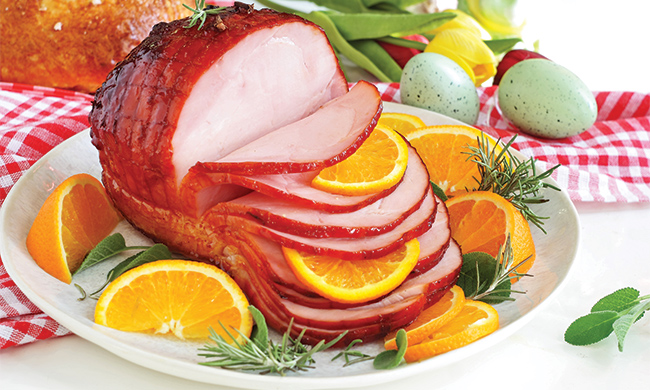
(Feature Impact) When your kitchen is full of colorful eggs, candy baskets, tempting sweets and all that comes with Easter, sometimes a holiday classic is just the answer for simplifying the season. Perfect for pairing with deviled eggs, potato salad and a traditional Sunday feast, this Maple-Glazed Easter Ham provides a hands-off approach to the main dish.
With an easily prepared glaze and your oven doing most of the work, you can keep your attention on time spent with loved ones. Visit Culinary.net to find more seasonal favorites, both classic and contemporary.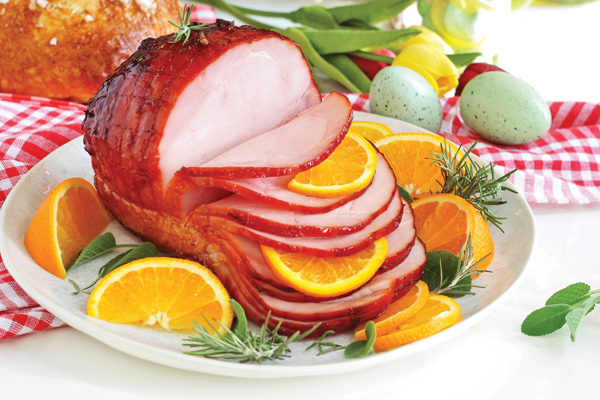
Maple-Glazed Easter Ham
Recipe adapted from Southern Living
Total time: 3 hours
Servings: 10
- 1 bone-in spiral-cut ham (8-9 pounds)
- 1 cup pure maple syrup
- 1/2 cup packed dark brown sugar
- 1/2 cup (4 ounces) bourbon
- 1/2 teaspoon grated fresh ginger
- 1/4 teaspoon ground cinnamon
- orange slices and wedges, for garnish
- fresh rosemary sprigs, for garnish
- Preheat oven to 350 F.
- Place ham in large roasting pan and fill with 1/2 inch of water. Cover pan with aluminum foil and bake about 2 hours, basting every 30 minutes with juices from pan, until meat registers 120 F at thickest portion.
- In medium saucepan over medium-high heat, stir maple syrup, brown sugar, bourbon, ginger and cinnamon; bring to boil. Cook, stirring occasionally, until thickened, 6-8 minutes. Remove from heat. Cover to keep warm and set aside.
- Remove ham from oven and discard foil. Increase oven temperature to 400 F. Using pastry brush, glaze ham with 1/3 cup maple-bourbon mixture.
- Bake ham about 30 minutes until top is lightly caramelized and meat registers 145 F at thickest portion, brushing with remaining glaze every 10 minutes.
- Remove from oven and transfer ham to serving platter. Let rest 15 minutes and garnish with orange slices, orange wedges and rosemary sprigs.
Photo courtesy of Shutterstock

SOURCE:
At our core, we at STM Daily News, strive to keep you informed and inspired with the freshest content on all things food and beverage. From mouthwatering recipes to intriguing articles, we’re here to satisfy your appetite for culinary knowledge.
Visit our Food & Drink section to get the latest on Foodie News and recipes, offering a delightful blend of culinary inspiration and gastronomic trends to elevate your dining experience. https://stmdailynews.com/food-and-drink/


If you needed a reason to celebrate your favorite wrapped meal, here it is.
National Burrito Day is observed every year on the first Thursday of April—a moving food holiday that always lands just in time to kick off spring cravings.
In 2026, National Burrito Day fell on April 2, giving burrito lovers across the U.S. the perfect midweek excuse to indulge.
A Quick Bite of History
While the burrito itself has deep roots in Mexican cuisine, the modern celebration of National Burrito Day is largely driven by restaurants and food brands that turned it into an annual event—complete with deals, giveaways, and social media buzz.
Today, it’s widely embraced by chains like Chipotle Mexican Grill and Qdoba Mexican Eats, along with local taquerías that join in the celebration.
Why It Matters (Beyond the Food)
National Burrito Day is more than just a marketing holiday—it reflects how a simple, portable dish became a staple of American food culture.
From classic bean-and-cheese to fully loaded carne asada burritos, the options are endless—and so are the reasons to celebrate.
External Related Reading
- National Day Calendar: National Burrito Day
- Smithsonian Magazine: A Brief History of the Burrito
- Chipotle Mexican Grill – Official Website
- Qdoba Mexican Eats – Official Website
Related Reading
recipes
Lighten Up: Fresh Spring Meals That Won’t Weigh You Down
Prepare your fresh spring menu with light, flavorful dishes like shrimp pearl couscous salad and chickpea couscous—perfect for easy, satisfying meals without the heaviness.
Lighten Up: Fresh Spring Meals That Won’t Weigh You Down
(Feature Impact) Put away the heavy coats and break out the rain jackets and rubber boots – spring is here, and with it comes more than just pop-up showers and sunshine. After months of comfort foods and curling up indoors, you may be ready for lighter meals that won’t weigh you down before splashing in the puddles.
Fresh produce may first come to mind, but spring bites can also mean swapping out ingredients like regular pasta for a solution such as pearl couscous. If you’re looking to complement greens, veggies, fish or meats with light yet filling flavor, consider Success Boil-in-Bag Pearl Couscous, a small, mediterranean-style pasta that always cooks right and is ready to eat in under 7 minutes once the water boils. The BPA-free boil-in-bag simplicity makes cooking easy and foolproof: no measure, no mess, no stress.
Made with high-quality semolina wheat, it features a slightly nutty flavor on its own while absorbing the flavors of salads while retaining its density and chewy texture. It’s distinguished from traditional Moroccan couscous by its slightly larger, rounder shape and less dense, firmer consistency.
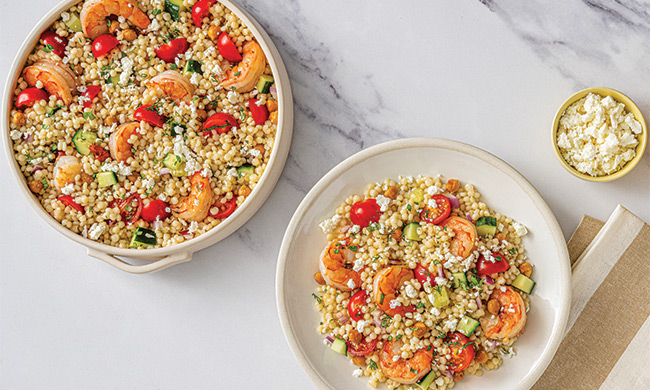
Try it with your next meal in this protein-forward Shrimp Pearl Couscous Salad, made using fresh herbs, citrus, seasoned shrimp and chickpeas for a jam-packed salad that screams spring. Never boring, the tender, seasoned couscous and shrimp, veggies and aromatic herbs can bring your family running to the kitchen after a day of play.
Or, for an even simpler dish that requires just 15 minutes in the kitchen, this Pearl Couscous and Chickpea Salad is light, bright and bursting with flavor. It brings together tender pearl couscous, crisp veggies and za’atar in every bite.
To find more light spring recipe ideas, visit SuccessRice.com.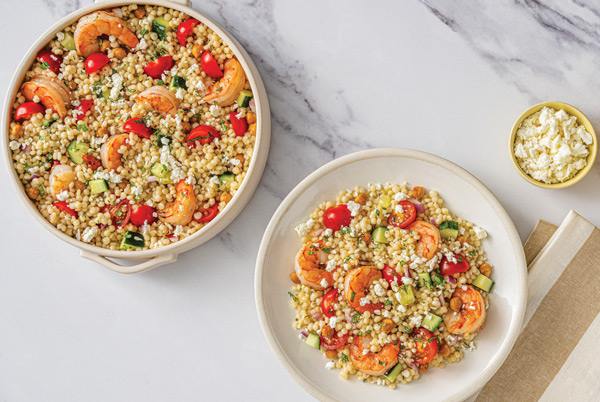
Shrimp Pearl Couscous Salad
Prep time: 10 minutes
Cook time: 15 minutes
Servings: 4
- 1 bag Success Pearl Couscous
- 1 pound large shrimp, peeled and deveined
- 1 tablespoon seasoned salt
- 4 tablespoons olive oil, divided
- 1 can (14 ounces) chickpeas, drained and rinsed
- 1/2 teaspoon garlic powder
- 1/2 teaspoon onion powder
- 1/2 teaspoon smoked paprika
- 1/4 teaspoon salt
- 1/2 English cucumber, diced
- 1 cup cherry tomatoes, halved
- 1/4 cup fresh basil, chopped
- 1/4 cup red onions, finely chopped
- 2 tablespoons fresh dill, chopped
- 1 tablespoon lemon juice
- 1/2 cup feta, crumbled
- Prepare pearl couscous according to package directions.
- In medium bowl, toss shrimp with seasoned salt.
- In large saucepan over medium-high heat, heat 1 tablespoon oil. Add shrimp and cook 5 minutes. If necessary, cook in batches to avoid overcrowding pan.
- In another large pan, heat 1 tablespoon oil over medium heat. Add chickpeas and cook 8 minutes until crispy and golden, tossing often. Add garlic powder, onion powder, paprika and salt. Toss to fully coat and cook 2 minutes.
- In large bowl, combine pearl couscous, shrimp, chickpeas, cucumbers, tomatoes, basil, red onion, dill, lemon juice and remaining olive oil. Toss to combine. Garnish with feta.
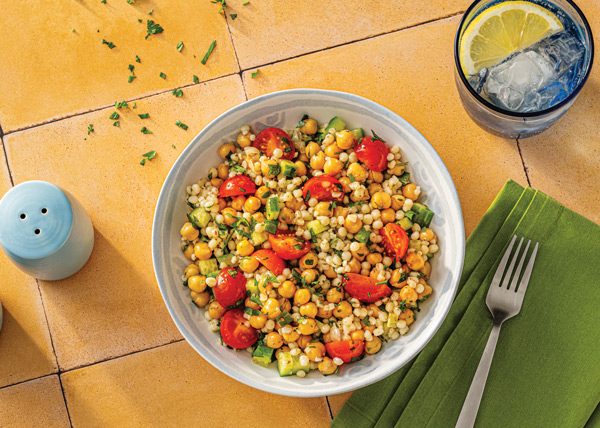
Pearl Couscous and Chickpea Salad
Prep time: 5 minutes
Cook time: 10 minutes
Servings: 4
- 1 bag Success Pearl Couscous
- 1 can (15 ounces) chickpeas, drained and rinsed
- 1 cup cherry tomatoes, halved
- 1/2 cup cucumber, diced
- 1/4 cup fresh parsley, chopped
- 1 tablespoon za’atar
- 2 tablespoons olive oil
- 1 tablespoon lemon juice, freshly squeezed
- 1/2 teaspoon salt
- 1/4 teaspoon pepper
- Prepare pearl couscous according to package directions.
- In large bowl, combine couscous, chickpeas, cherry tomatoes, cucumber, parsley and za’atar.
- Drizzle with olive oil and lemon juice. Season with salt and pepper. Toss until well combined.
- Serve warm or at room temperature.


SOURCE:
Hungry for what’s next? STM Daily News’ Food and Drink section dishes up the latest in restaurant news, beverage trends, seasonal recipes, culinary events, and food culture stories readers love to share.





