

Family
Safe Summer Fun
Longer days and lighter schedules make summer perfect for relaxing, having fun outdoors and spending time with loved ones.

Last Updated on May 29, 2025 by Daily News Staff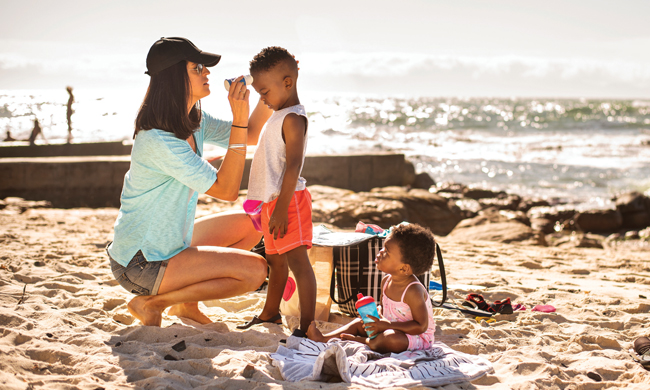
(Family Features) Longer days and lighter schedules make summer perfect for relaxing, having fun outdoors and spending time with loved ones. However, more physical activity and time spent in the sun can also translate to increased health and safety risks.
As you and your family enjoy the warmth and sunshine while swimming, biking, grilling, playing on the playground and more this summer, remember these precautions from the experts at the American Heart Association.
Watch for Signs of Heat Stress
On hot summer days, be alert for signs of heat illnesses, such as heat cramps, heat exhaustion or heat stroke. Even when it doesn’t seem extreme, heat and humidity can take a toll. Some signs of heat-related illness include muscle pain, cramps or spasms; heavy sweating; paleness; dizziness; headache; nausea or vomiting; confusion; fainting or unconsciousness; high body temperature (greater than 100 F) with dry skin; and rapid pulse. If you experience any of these symptoms, take a break, drink some water and find shade or air conditioning to cool off. If symptoms worsen or vomiting occurs, seek medical attention.
Stay Hydrated
Staying hydrated is important for optimal body functioning, especially during the hot and humid months. If you plan to spend a lot of time outdoors, frequently consuming water and foods with high water content – melons, lettuce and cucumbers, for example – can help replace the fluids lost via sweat. In addition, be aware of the signs and symptoms of mild dehydration, including a dry or sticky mouth; dry, cool skin; headache; or muscle cramps. More severe cases may include dry, shriveled skin; irritability or confusion; dizziness; rapid heartbeat; rapid breathing; fatigue; and unconsciousness.
Learn CPR
As summertime activities expose people of all ages to risks, it’s important to be trained in CPR – or cardiopulmonary resuscitation – an emergency lifesaving procedure that is performed when the heart stops beating. If performed immediately, it can double or triple a cardiac arrest victim’s chance of survival, according to the American Heart Association. However, only about 40% of people who experience out-of-hospital cardiac arrest receive help before professionals arrive.
Because about 74% of adult and 87.5% of child out-of-hospital cardiac arrests happen in homes, you will likely be trying to save the life of someone you love – a child, spouse, parent or friend – if called upon to perform CPR. Hands-Only CPR is recommended for members of the general public who see someone suddenly collapse. Call 9-1-1, or send someone to do so, then push hard and fast in the center of the person’s chest until medical assistance arrives. Use an AED, if available, following the prompts. Conventional CPR is the next step and involves chest compressions and mouth-to-mouth breathing but should only be used by health care professionals and those trained to perform it correctly.
Protect Skin from the Sun
While it’s easy to get caught up enjoying activities outdoors, remember to take steps to protect your skin from the sun’s damaging rays. Limit your time in the sun, especially during the midday hours when the rays are strongest, and wear sunscreen to help reduce your risk of sunburn, skin cancer and the early onset of wrinkles. Experts recommend sunscreen with an SPF of 30 or higher. Wearing sunglasses, a hat and cool, long-sleeved clothing can further limit exposure when outdoors for long periods of time.
Play Safe
Each year, emergency departments treat more than 200,000 children under the age of 14 for playground-related injuries, according to the Centers for Disease Control and Prevention (CDC). Choose age-appropriate parks and playgrounds for your children and keep precautions like these in mind: teach children to take turns as pushing or roughhousing can result in accidents or injuries, check metal slides before use to prevent burns, remind kids to be careful walking near moving swings and encourage them to go one at a time on slides that are clear of other children. Also be sure to use proper protective gear for other outdoor activities like biking or watersports and have a first-aid kit on-hand, complete with bandages, gauze pads, medical tape, antibiotic ointment, antiseptic wipes or spray and aspirin.
Swim Safely
Whether enjoying the pool, beach, lake or river, bodies of water can be dangerous if appropriate precautions aren’t taken. In fact, drowning is among the top five causes of unintentional injury death in the United States, according to the CDC. Avoid swimming alone, especially in natural bodies of water that aren’t clear and may present strong currents or underwater obstacles, and don’t overestimate your swimming ability. Designating an undistracted “water watcher,” wearing life jackets, ensuring someone in your group knows CPR and avoiding alcohol consumption are also safe practices to keep in mind while swimming.
Be Smart with Fire
Firing up the grill and lighting fireworks are often synonymous with summertime, but open flames pose safety hazards. Never leave a grill unattended, always grill outdoors and keep children and pets away from the grilling area. When it comes to fireworks, keep a safe distance once lit, don’t point fireworks toward anyone’s face or body, never allow young children to play with them, avoid relighting fireworks that do not function properly and keep a bucket of water or fire extinguisher nearby when lighting.
For more tips on CPR and first aid, visit cpr.heart.org or download the Knowledge Booster app.
Staying Safe in the Water
Spending time in or around water is one of the joys of summer, but it comes with some risks. Stay safe on and near water with these tips from the American Heart Association:
Learn to Swim – For children ages 1-14, drowning is the second-leading cause of unintentional injury death after motor vehicle crashes, according to the CDC. Basic swimming skills like floating and safely entering and exiting the water can help reduce the risk.
Learn CPR – Accidents can happen in or around water.In the event of a drowning, the American Heart Association recommends rescue breaths along with chest compressions.
Remember Life Jackets – Water wings, floaties and kickboards aren’t substitutes for a U.S. Coast Guard-approved life jacket.
Secure the Pool – Install fencing with self-closing gates at least 4 feet tall to separate the pool from the house and yard.
Clear Out Pool Toys – Make sure children aren’t tempted to play unsupervised by removing toys from the water and storing them in a secure location.
Photos courtesy of Getty Images
SOURCE:
American Heart Association
Discover more from Daily News
Subscribe to get the latest posts sent to your email.





Last Updated on December 15, 2025 by Rod Washington

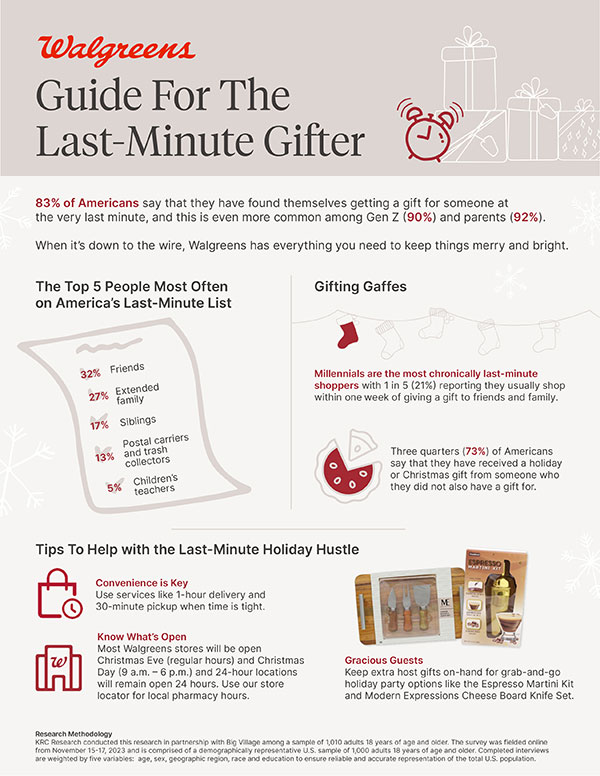
(Family Features) If you’ve ever found yourself buying a holiday gift for someone on your list at the last minute, you’re not alone. According to a Walgreens U.S. gift-giving survey, 83% of Americans found themselves getting a gift for someone at the last minute – a trend even more common among Gen Z (90%) and parents (92%). To help keep things merry and bright, consider these tips to help with the last-minute holiday hustle, and visit Walgreens.com or a store near you to find deals and gift inspiration.
SOURCE:
Walgreens
Author

Discover more from Daily News
Subscribe to get the latest posts sent to your email.
Consumer Corner
How to Choose and Care for a Live Holiday Tree
Discover how to choose the perfect live holiday tree and keep it fresh all season. Get expert tips on measuring, selecting, caring for, and disposing of your real Christmas tree for a safe and festive home.


How to Choose and Care for a Live Holiday Tree: Expert Tips for a Fresh, Festive Season
(Family Features) Though artificial Christmas trees have come a long way, few things compare to the fresh scent and natural beauty of a live tree. Whether your family picks out a real tree as an annual tradition or this is your first time considering a live tree for the holidays, this guidance can help you choose the right one and care for it throughout the season. 1. Measure Your Space Before you head to your local tree farm, measure the ceiling height where you plan to set up the tree, subtracting the amount of room your star or topper will account for. Similarly, measure the width to ensure the tree doesn’t encroach too much on furniture or traffic flow. 2. Choose the Right Tree While the options can be overwhelming once you’re among the field of available trees, consider what shape would fit best in your space: Do you want a fuller or slimmer tree to fit a tighter space? Is a uniform shape without large gaps in the needles important or do you need stronger branches better equipped for handling heavier ornaments? Don’t forget to also consider trunk size – and consider bringing your stand with you to ensure your preferred tree fits – as trees with short or crooked trunks may be unstable. 3. Inspect for Freshness and Quality To ensure a safe, long-lasting, beautiful tree throughout the holidays, look at it from all angles and inspect the needles and branches. Needles should be green, not dry or brittle, and firmly attached to the branches, which should be flexible and not snap easily. If you run your hand through the branches and they break or needles fall off, it may be wise to look at other trees. Remember, if your tree has been cut too early, it may sit too long and dry out before Christmas arrives, so try and buy your tree as close to setup time as possible. 4. Set Up with Care Before placing your tree in the stand, make a fresh cut about 1 inch from the base of the trunk to open the pores for water absorption. Place it away from heat sources – vents, fireplaces, direct sunlight – as they will dry it out faster. Remember to water daily (or at least check it daily), keeping the water level above the base of the trunk. 5. Plan for Disposal Once your tree has dried out – branches may be brittle and lots of needles may have fallen off – it’s time to remove it. Remove all decorations then check to see if your city offers tree recycling or chipping service. Many offer these services for free for a limited time after the holidays but may require you to drop the tree off or cut it into smaller pieces for pick up. Find more seasonal advice to make the holidays safe and festive at eLivingtoday.com. Photo courtesy of ShutterstockWelcome to the Consumer Corner section of STM Daily News, your ultimate destination for savvy shopping and informed decision-making! Dive into a treasure trove of insights and reviews covering everything from the hottest toys that spark joy in your little ones to the latest electronic gadgets that simplify your life. Explore our comprehensive guides on stylish home furnishings, discover smart tips for buying a home or enhancing your living space with creative improvement ideas, and get the lowdown on the best cars through our detailed auto reviews. Whether you’re making a major purchase or simply seeking inspiration, the Consumer Corner is here to empower you every step of the way—unlock the keys to becoming a smarter consumer today!
https://stmdailynews.com/category/consumer-corner/
Discover more from Daily News
Subscribe to get the latest posts sent to your email.
Last Updated on December 11, 2025 by Daily News Staff

Tips for Parents to Minimize Stress and Maximize Joy During the Holidays
(Family Features) Stress and parenting go hand in hand, but during the holiday season, many parents find their stress levels rising to new heights. Between coordinating schedules, shopping, traveling and managing children’s expectations – plus the disruption to the school routine that everyone had finally settled into – the season can feel more like mayhem than merry. However, by thoughtfully planning and implementing a few practical strategies, parents can protect their well-being and support their families. Early childhood experts from The Goddard School share guidance to help parents stay grounded and make the most of their meaningful family moments this holiday season. Clarify Priorities One of the most empowering steps is to decide in advance what truly matters to your family. Consider:- Which traditions or gatherings are nonnegotiable?
- Are there holiday events you can skip this year without regret?
- What obligations are you taking on out of habit rather than genuine desire?
 Set Boundaries Stress often arises when family dynamics, expectations or traditions clash. You can reduce this by setting boundaries and communicating them early. Speak openly with the relatives and friends you’ll see about what’s comfortable for your family and what isn’t (e.g., physical space, travel, topics to avoid). Let your children know what to expect, as the lack of routine during this time can be particularly challenging. Modeling clear boundaries helps your children learn to express their own needs, too. Prioritize Your Physical and Emotional Health Amid the hustle, your own basic care often slips, but your well-being is key to being present for others. Consider establishing routines, such as:
- Sleep: Aim for 7-8 hours per night whenever possible.
- Nutrition: Keep healthy staples in the mix, even if treats abound.
- Movement: A short walk, stretch breaks or gentle exercise may help reset your nervous system. Stepping outside can be especially helpful.
Discover more from Daily News
Subscribe to get the latest posts sent to your email.





