

Food and Beverage
Tom Holland Announces First Business Venture: BERO, A Premium Non-Alcoholic Beer with Uncompromising Appeal

A Champion of Indulgence & Moderation, it’s a Beer that Does Both
NEW YORK , Oct. 16, 2024 /PRNewswire/ — At a time when consumers crave better choices, a new standout makes its debut. Introducing BERO: a premium non-alcoholic beer brand crafted for those who seek a more balanced lifestyle, without compromising taste, quality and enjoyment.
BERO enters the fastest-growing beverage category in the U.S. with a clear mission – to offer non-alcoholic beer that’s celebrated, not stigmatized. Inspired by Tom Holland’s UK roots, BERO’s expert team of American brewers developed the line with a deep commitment to craftsmanship. The result is authentically great beer that embodies the tremendous soul and history of the brewing tradition.
The line features three dynamic varieties, encompassing classic beer styles that will appeal to drinkers across the spectrum of moderation:
- Kingston Golden Pils – Named after Tom’s hometown – Kingston Upon Thames – this is a fresh take on the bright and timeless, crisp European Pils
- Edge Hill Hazy IPA – Named for Tom’s school where so many memories and lessons took place – this juicy New-England style brew is tropical, refreshing, and hop-forward
- Noon Wheat – Named after Tom’s beloved schnauzer – the wheat is cloudy and classic with a perfect citrus finish
BERO is elevating the drinking experience by providing not only exceptional flavor, but a stylish companion for an enriched and limitless lifestyle. It is a brand designed to be aspirational and inclusive, aiming to honor all the best aspects of beer. It’s made for discerning drinkers who want more from life, whether or not alcohol is part of the equation.
Exemplified by the personal anecdotes that inspire each varietal’s name, BERO is a direct reflection of its founder’s lived experience and outlook on life. Parallel to Tom’s own philosophy that well-being is holistic, BERO champions the pursuit of discovering and embracing all the joy that life has to offer.
“For me, BERO is personal. After two years on my sobriety journey, I wanted to create something that reflected my lifestyle and values,” shares Holland. “This beer isn’t just for those on a similar path, but for everyone who appreciates quality, craftsmanship and living life to the fullest. BERO delivers the taste and experience of a great brew, and never asks you to settle for less.”
BERO comes to life through the shared partnership of Tom Holland, CEO John Herman, consumer-led fund Imaginary Ventures and WME. Herman brings with him over 20 years of experience driving successful growth in consumer-focused categories, most recently within beverage as President of Nutrabolt – the makers of the C4 Energy. With an expert team in place, BERO is establishing a new gold standard where non-alcoholic beer is a trophy, rather than a consolation prize.
“In a world of excess, BERO represents a shift toward discernment,” said Herman. “People are filtering out what doesn’t add value and choosing things that enrich their lives. We believe that non-alcoholic beer can be more than just a substitute—it can be a bridge to a more balanced life and it can taste incredible. BERO is here to celebrate moderation without sacrificing pleasure, offering a lifestyle that everyone can aspire to.”
BERO is available for purchase and nationwide shipping at BERObrewing.com. The 12 oz. cans will come in a range of pack sizes, including:
- 6-packs – Single Flavor ($15.98)
- 12-packs – Single Flavor ($29.98) and Variety ($33.50)
- 18-packs – Single Flavor ($44.98)
- 24-packs – Single Flavor ($54.98)
“While the non-alcoholic beer category remains nascent, we believe it’s poised for explosive growth over the next decade. The current market offers only a handful of compelling options, mostly from legacy players, and none truly embody a premium brand that exudes confidence and resonates with modern, health-conscious consumers,” notes Logan Langberg, partner at Imaginary Ventures and BERO board member. “As a customer himself, Tom has created BERO to fill that void, offering a high quality, but accessible alternative. Pairing Tom’s authentic experience and perspective with John Herman’s operational excellence, we believe BERO is uniquely positioned to win.”
BERO will also be rolling out early next year across Target stores nationwide. For updates and more information on where to find BERO at bars, restaurants, and additional stores near you, go to BERObrewing.com, follow @berobrewing on Instagram and TikTok, and subscribe to BERO’s email newsletter.
About BERO
Born in London, crafted in America, and enjoyed worldwide, BERO is the most premium non-alcoholic beer on the market and is co-created by Tom Holland and John Herman for those who never settle. With supreme ingredients and remarkable taste, our beer makes sure nothing gets in the way of savoring every moment. Because you’re already chasing a life enriched – we’re simply here to make it exceptional. Expect Nothing Less.
SOURCE BERO
At our core, we at STM Daily News, strive to keep you informed and inspired with the freshest content on all things food and beverage. From mouthwatering recipes to intriguing articles, we’re here to satisfy your appetite for culinary knowledge.
Visit our Food & Drink section to get the latest on Foodie News and recipes, offering a delightful blend of culinary inspiration and gastronomic trends to elevate your dining experience.
Author


Food and Beverage
BJ’s Restaurant & Brewhouse Turns April Fool’s Day Into a Real Menu Moment With Sweet Heat Pepperoni Pizookie

Last Updated on March 31, 2026 by Daily News Staff
BJ’s Restaurant & Brewhouse is leaning into April Fool’s Day with a menu item that sounds made up but is very real. The casual dining chain has introduced the Sweet Heat Pepperoni Pizookie, a one-day-only dessert available April 1 for $4.01.
BJ’s Unveils Sweet Heat Pepperoni Pizookie in One-Day-Only April Fool’s Day Offer
The limited-time item remixes two of BJ’s best-known menu identities: its deep-dish pizza flavors and its signature Pizookie dessert. The Sweet Heat Pepperoni Pizookie starts with a warm Chocolate Chunk Pizookie base and is topped with Rich Vanilla Bean ice cream, crispy cup-and-char pepperoni, and a drizzle of Mike’s Hot Honey.
According to the company, the idea builds on previous playful Pizookie launches, including the Pizickle Pizookie in 2024 and the Fryckle Pizookie in 2025. This year’s version pushes the concept further by combining sweet, savory, and spicy flavors into a single dessert designed to surprise guests.
“We’ve always believed that great ideas can come from unexpected places,” said Heidi Rogers, chief marketing officer at BJ’s Restaurants, Inc., in the announcement. She described the Sweet Heat Pepperoni Pizookie as a creative and intentional twist that made April Fool’s Day the right moment for the launch.
The dessert will be available for dine-in only on April 1. BJ’s says the item includes two scoops of vanilla bean ice cream and is finished with the same hot honey flavor profile that has appeared in its seasonal pizza offerings.
The promotion gives BJ’s a timely way to turn novelty into foot traffic, especially around a date when brands often compete for attention with joke announcements. In this case, BJ’s is using the holiday to offer something guests can actually order.
BJ’s Restaurants, Inc., founded in 1978, operates more than 200 restaurants across 31 states. The brand is known for its deep-dish pizzas, broad casual dining menu, and its long-running Pizookie dessert line.
Guests looking to try the Sweet Heat Pepperoni Pizookie will need to act quickly. The item is only available on April 1, making it one of the brand’s shortest limited-time offers of the year.
For more information, visit bjsrestaurants.com.
Hungry for what’s next? STM Daily News’ Food and Drink section dishes up the latest in restaurant news, beverage trends, seasonal recipes, culinary events, and food culture stories readers love to share.
Authors

Food and Beverage
Create Little Moments of Happiness This Spring with Family-Friendly Potato Recipes
As spring encourages outdoor activities, The Little Potato Company offers time-saving products, like pre-washed Little Potatoes and crispy snacks. Enjoy convenient family meals and enter their sweepstakes for a chance to win travel and grocery prizes.
(Feature Impact) As the weather breaks and spring brings increased opportunities for families to get outside, activities, adventures and jam-packed calendars abound. All those special moments spent at the park, the sports field or in the backyard may leave lasting memories, but they can also leave you feeling short on time in the kitchen.
Bring a little moment of happiness to busy family mealtimes during the spring season with The Little Potato Company’s line of easy-to-prepare Little Potatoes. They come pre-washed, require no peeling and are small enough that they don’t need to be cut, allowing for less time in the kitchen and more family time around the table as the days get longer – no extra spring cleaning required. For an added helping of convenience, their Microwave Ready Little Potato Kits come with delicious seasoning packs; simply pop into the microwave, sprinkle on the included seasoning and enjoy.
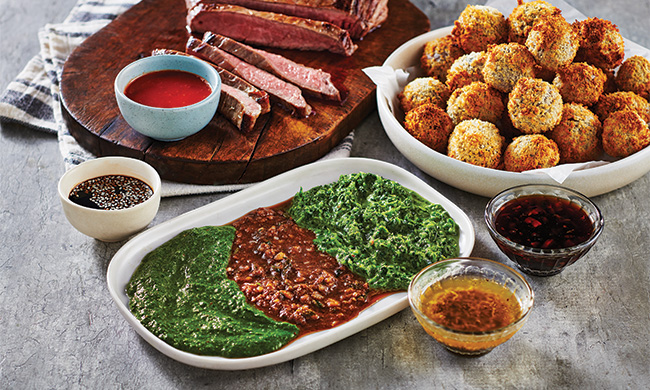
For a fun after-school or game-night snack, these Crispy Air Fryer Potato Nuggets pair perfectly with a variety of delicious dips. The air fryer cooks the potatoes in minutes, creating a crispy snack with minimal prep – no chopping or peeling needed.
Or you can make a delicious side dish a cinch with pesto, which adds a bright, flavorful twist to a classic in these Basil Pesto Mashed Potatoes. They pair perfectly with everyday family meals using Little Potatoes that require no chopping or peeling thanks to their naturally thin skins, helping cut down on prep time while bringing fresh flavor to the dinner table.
To help fuel families’ spring vacation plans and everyday meals, The Little Potato Company is giving you a chance to enter a sweepstakes through May 25 to win a $10,000 travel voucher with additional prizes including 10 grocery gift cards valued at $1,000.
Enter the sweepstakes at TheLittleSpringtimeSweeptakes.com, and find more ways to make spring meals a breeze by visiting LittlePotatoes.com.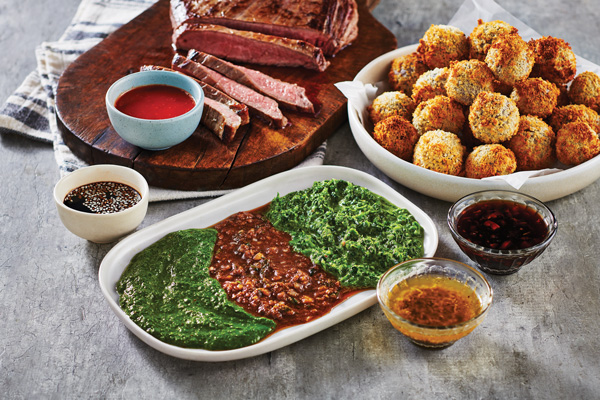
Crispy Air Fryer Potato Nuggets and Dip
Prep time: 10 minutes
Cook time: 24 minutes
Servings: 4
Potatoes:
- 1 cup all-purpose flour
- 1 teaspoon salt
- 1 teaspoon garlic powder
- 1/2 teaspoon pepper
- 1 cup milk
- 1 1/2 cups panko breadcrumbs
- 1 1/2 pounds Little Potatoes
Chimichurri:
- 1 bunch cilantro
- 1 bunch parsley
- 3 limes, juice only
- 2 tablespoons honey
- 2 teaspoons salt
- 1/2 teaspoon pepper
- 1 teaspoon chili flakes
- 1 cup canola oil
- Heat air fryer to 390 F.
- To make potatoes: In a shallow bowl, combine flour, salt, garlic powder and pepper. Whisk in milk until smooth.
- Place panko in a separate shallow bowl.
- Working in batches, coat potatoes in batter then toss in panko until fully coated.
- Place potatoes in the air fryer and cook 24 minutes, flipping halfway.
- To make chimichurri: In a blender, blend cilantro, parsley, lime juice, honey, salt, pepper, chili flakes and canola oil until smooth.
- Serve potato nuggets with chimichurri.
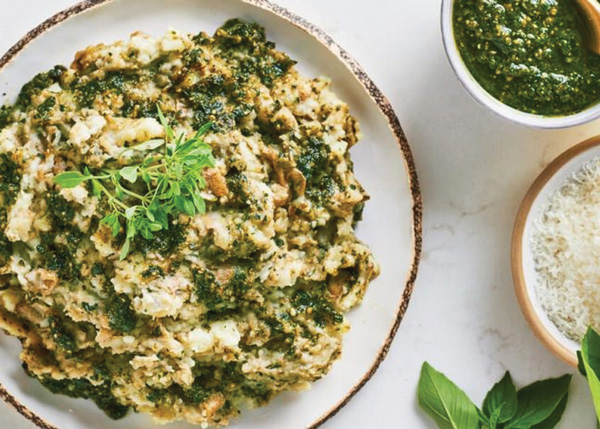
Basil Pesto Mashed Potatoes
Prep time: 5 minutes
Cook time: 20 minutes
Servings: 4
- 1 1/2 pounds Little Potatoes
- water
- 1 teaspoon salt, plus additional for seasoning, to taste, divided
- 2 1/2 cups fresh basil
- 4 cloves garlic
- 1/3 cup pine nuts
- 1/2 cup Parmesan, grated
- 2/3 cup olive oil
- pepper, to taste
- 1/2 cup milk
- 2 tablespoons butter
- Add potatoes to a large pot and cover with water. Add 1 teaspoon salt and bring to a boil for 15 minutes, or until potatoes are tender.
- In a food processor, place basil, garlic, pine nuts and Parmesan. Add oil and pulse until mixed then season with salt and pepper, to taste.
- In a small saucepot over low heat, heat milk and butter until butter is melted and milk is steaming.
- Once potatoes are cooked, strain and transfer to a medium mixing bowl.
- Using a potato masher, smash potatoes with milk and butter mixture then season with salt and pepper, to taste. Stir in pesto mixture.


SOURCE:
STM Daily News’ Food and Drink section highlights the stories, trends, flavors, and events shaping today’s food culture. From recipes to restaurant news, it keeps readers connected to what’s fresh and worth tasting.
Author
recipes
Go Green with a Fresh Spring Salad
Welcome spring with a refreshing Spring Greens Salad featuring mozzarella and a homemade lemon vinaigrette. This light dish offers a tasty alternative to heavier meals, perfect for enhancing your dining routine. Discover more spring recipes at Culinary.net.
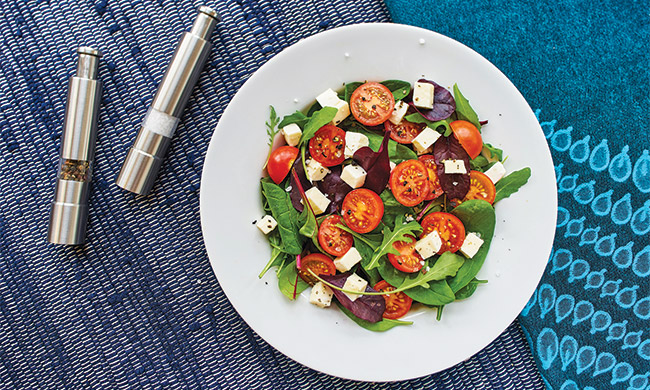
Go Green with a Fresh Spring Salad
(Feature Impact) While most people think of dirty kitchens, cramped closets and grimy garages when they hear “spring cleaning,” the popular phrase can apply to your menu, too. Refresh your family’s regular dining routines with fresh ingredients that call to mind the flavors of the season.
When it’s time to put the slow cooker away, consider this Spring Greens Salad with Mozzarella. Paired with an easy homemade lemon vinaigrette, it’s a delicious way to swap out heavier meals for a lighter lunch.
To find more springtime solutions, visit Culinary.net.
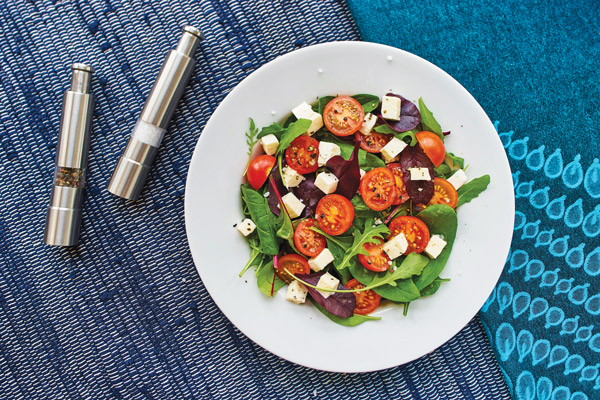
Spring Greens Salad with Mozzarella
Recipe adapted from Organic Authority
Servings: 4
- 4 cups baby arugula or spring mix
- 1/2 cup cubed mozzarella cheese
- 1 tablespoon lemon zest
- 2 tablespoons extra-virgin olive oil
- 1 tablespoon fresh lemon juice
- sea salt, to taste
- freshly ground black pepper, to taste
- halved cherry tomatoes (optional)
- In large mixing bowl, combine arugula or spring mix, mozzarella and lemon zest; set aside.
- In small bowl, whisk olive oil and lemon juice vigorously with fork until smooth. Season with salt and pepper, to taste.
- Pour vinaigrette over greens; toss gently to coat. Top with halved cherry tomatoes, if desired.
Photo courtesy of Unsplash


SOURCE:
Visit the Food and Drink section on STM Daily News for the latest food news, beverage trends, restaurant stories, seasonal recipes, culinary events, and community-driven lifestyle coverage.





