






FDA CDC News
Alert: Kroger Issues Food Recalls Affecting Multiple States


As of early February 2025, Kroger has announced a series of food recalls affecting customers across at least 15 states, as well as several subsidiary stores nationwide. The recalls, initiated due to safety concerns, include a variety of products that consumers should be aware of.
Twelve Hummus Tubs from King Harvest
Kroger subsidiary stores Fred Meyer and QFC, located in Alaska, Idaho, Oregon, and Washington, have recalled the following King Harvest hummus tubs, each weighing 10 oz:
- King Harvest Lemon Hummus
- King Harvest Classic Hummus
- King Harvest Roasted Garlic Hummus
- King Harvest Toasted Onion Hummus
- King Harvest Chipotle Hummus
- King Harvest Spinach Hummus
- King Harvest Black Olive Hummus
- King Harvest Sesame Hummus
- King Harvest Jalapeño Hummus
- King Harvest Balsamic Hummus
- King Harvest Sun Dried Tomato Hummus
- King Harvest Roasted Pepper Hummus
These products were recalled on February 5, 2025, due to a defect in their plastic tubs that may lead to the presence of plastic foreign objects within the containers. Kroger has advised customers, “Customers who purchased any of the item(s) below should not eat the product.” It remains unclear whether this recall is connected to a previous incident from September 2024 involving similar concerns.
DJs Boudain Products in Texas and Louisiana
Kroger stores in Texas and Louisiana have also issued a recall for the following DJs Boudain products:
- DJs Boudain Hot Jalapeño Boudain, 12 oz
- DJs Boudain Boudain Sausage, 24 oz
- DJs Boudain Boudain Sausage, 16 oz
These items were recalled on February 1, 2025, due to potential contamination with pieces of a pen. This recall is part of a broader action directed by the U.S. Department of Agriculture (USDA), which called for around 17,720 pounds of boudain sausage link products to be removed from stores across Louisiana, Mississippi, and Texas.
Gerber Products for Teething Children
In addition, two Gerber products intended for teething children were recalled from Kroger stores across multiple states, including Ohio, Virginia, Michigan, Indiana, Illinois, Missouri, Kentucky, Tennessee, Alabama, North Carolina, West Virginia, Texas, and Louisiana. The affected products are:
- Gerber Soothe N Chew Teething Sticks Banana, 3.2 oz
- Gerber Soothe N Chew Teething Sticks Strawberry Apple, 3.2 oz
These products were removed from shelves due to potential choking hazards. Kroger has assured customers that those who purchased these items can return them for a full refund. This recall is part of a nationwide action announced by the Food and Drug Administration (FDA). Gerber has expressed regret over the situation, stating, “The recall was initiated after receiving consumer complaints of choking incidents. To date, one emergency room visit has been reported to the firm…We sincerely apologize for any concern or inconvenience this action represents to parents, caregivers, and retail customers.”
Conclusion
Customers who have purchased any of the recalled products are urged to refrain from consuming them and to return the items for a refund. It is always advisable to stay informed about food recalls to ensure the safety of you and your family. For more updates on recalls and food safety, keep an eye on announcements from Kroger and the relevant health authorities. Stay safe!
STM Daily News is a vibrant news blog dedicated to sharing the brighter side of human experiences. Emphasizing positive, uplifting stories, the site focuses on delivering inspiring, informative, and well-researched content. With a commitment to accurate, fair, and responsible journalism, STM Daily News aims to foster a community of readers passionate about positive change and engaged in meaningful conversations. Join the movement and explore stories that celebrate the positive impacts shaping our world.
Read the article in Newsweek: https://www.newsweek.com/kroger-food-recalls-issued-15-states-full-list-products-impacted-2027160
Author
Discover more from Daily News
Subscribe to get the latest posts sent to your email.
Women's Health
Is Hormone Replacement Therapy Safe? What the FDA’s New Decision Means for Menopause Treatment
For more than 20 years, hormone replacement therapy for menopause has carried a warning label from the Food and Drug Administration describing the medication’s risk of serious harms – namely, cancer, cardiovascular disease and possibly dementia.

Last Updated on November 19, 2025 by Daily News Staff
Our Lifestyle section on STM Daily News is a hub of inspiration and practical information, offering a range of articles that touch on various aspects of daily life. From tips on family finances to guides for maintaining health and wellness, we strive to empower our readers with knowledge and resources to enhance their lifestyles. Whether you’re seeking outdoor activity ideas, fashion trends, or travel recommendations, our lifestyle section has got you covered. Visit us today at https://stmdailynews.com/category/lifestyle/ and embark on a journey of discovery and self-improvement.
Author

Discover more from Daily News
Subscribe to get the latest posts sent to your email.
News
Nationwide Shrimp Recall Expands to Arizona: What You Need to Know
Nationwide Shrimp Recall: AquaStar has recalled Kroger, Kroger Mercado, and AquaStar frozen shrimp in Arizona and other states due to possible cesium-137 contamination. Check UPCs, lot codes, and best-by dates to see if your shrimp is affected.

Last Updated on September 26, 2025 by Daily News Staff

Steamed shrimp on plate
Nationwide Shrimp Recall Expands to Arizona: What You Need to Know
A major frozen shrimp recall is currently underway across the United States — and Arizona shoppers are directly affected. AquaStar (USA) Corp has announced a recall of multiple frozen shrimp products, both raw and cooked, due to potential contamination with cesium-137 (Cs-137), a radioactive substance.
Products Included in the Recall
The recall covers several popular brands and package types, including:
Kroger Raw Colossal EZ Peel Shrimp (2 https://stmdailynews.com/cash-trapping-how-to-protect-yourself-from-this-sneaky-atm-scam/ bag)
Kroger Mercado Cooked Medium Peeled Tail-Off Shrimp (2 lb bag)
AquaStar Raw Peeled Tail-On Shrimp Skewers (1.25 lb bag)
AquaStar Cocktail Shrimp trays (sold at Walmart and other retailers)
In total, more than 85,000 packages of shrimp have been pulled from stores nationwide. These products were distributed to several states, including Arizona, between June and September 2025.
Why the Recall?
Routine testing detected the presence of cesium-137, a radioactive contaminant. While no illnesses or adverse reactions have been reported, long-term exposure to Cs-137 may increase the risk of certain cancers. Out of caution, the FDA and AquaStar urge consumers not to eat these shrimp.
🔍 How to Identify the Recalled Shrimp
Shoppers should look at UPC codes, lot codes, and best-by dates printed on the packaging. Here are the specific products under recall:
Product | UPC | Lot Code(s) | Best-By Date(s) |
|---|---|---|---|
Kroger Raw Colossal EZ Peel Shrimp (2 lb) | 20011110643906 | 10662 5085 10 · 10662 5097 11 · 10662 5106 11 · 10662 5107 10 · 10662 5111 11 · 10662 5112 10 · 10662 5113 10/11 · 10662 5114 10/11 | March 26 2027 · April 7 2027 · April 16–24 2027 |
Kroger Mercado Cooked Medium Peeled Tail-Off Shrimp (2 lb) | 011110626196 | 10662 5112 11 · 10662 5113 10 | October 22–23 2027 |
AquaStar Raw Peeled Tail-On Shrimp Skewers (1.25 lb) | 731149390010 | 10662 5127 10 · 10662 5128 11 · 10662 5133 11 · 10662 5135 10 | November 7–15 2027 |
AquaStar Cocktail Shrimp Trays (Walmart) | 19434612191 | 10662 5106 · 10662 5107 · 10662 5124 · 10662 5125 | Dates vary by lot |
What Should Consumers Do?
Check your freezer for the affected shrimp products.
Do not eat them. If you have the recalled shrimp, throw it away or return it to the store where it was purchased.
Stay updated. The FDA continues to monitor the situation and will provide further updates as needed.
No Reported Illnesses So Far
Although the recall sounds alarming, health officials stress that no illnesses have been linked to these shrimp products at this time. The move is a precaution to protect consumers.
👉 Bottom line for Arizona shoppers: If you’ve bought frozen shrimp from Kroger, Kroger Mercado, or AquaStar between June and September 2025, check the packaging details immediately. When in doubt, don’t eat it.
🔗 Resources for More Information
FDA Recall Notice – AquaStar USA Corp Recalls Kroger & AquaStar Frozen Shrimp
FDA Advisory – Do Not Eat, Sell, or Serve Certain Imported Frozen Shrimp
STM Daily News
Cash Trapping: How to Protect Yourself from This Sneaky ATM ScamLink: https://stmdailynews.com/cash-trapping-how-to-protect-yourself-from-this-sneaky-atm-scam/
Authors


Discover more from Daily News
Subscribe to get the latest posts sent to your email.
Blog
Deadly ‘Kissing Bug’ Disease in Arizona: What You Need to Know
Learn about Chagas disease in Arizona, where kissing bugs are found, symptoms to watch for, treatment options, and prevention tips to protect your home and family.

Last Updated on September 8, 2025 by Daily News Staff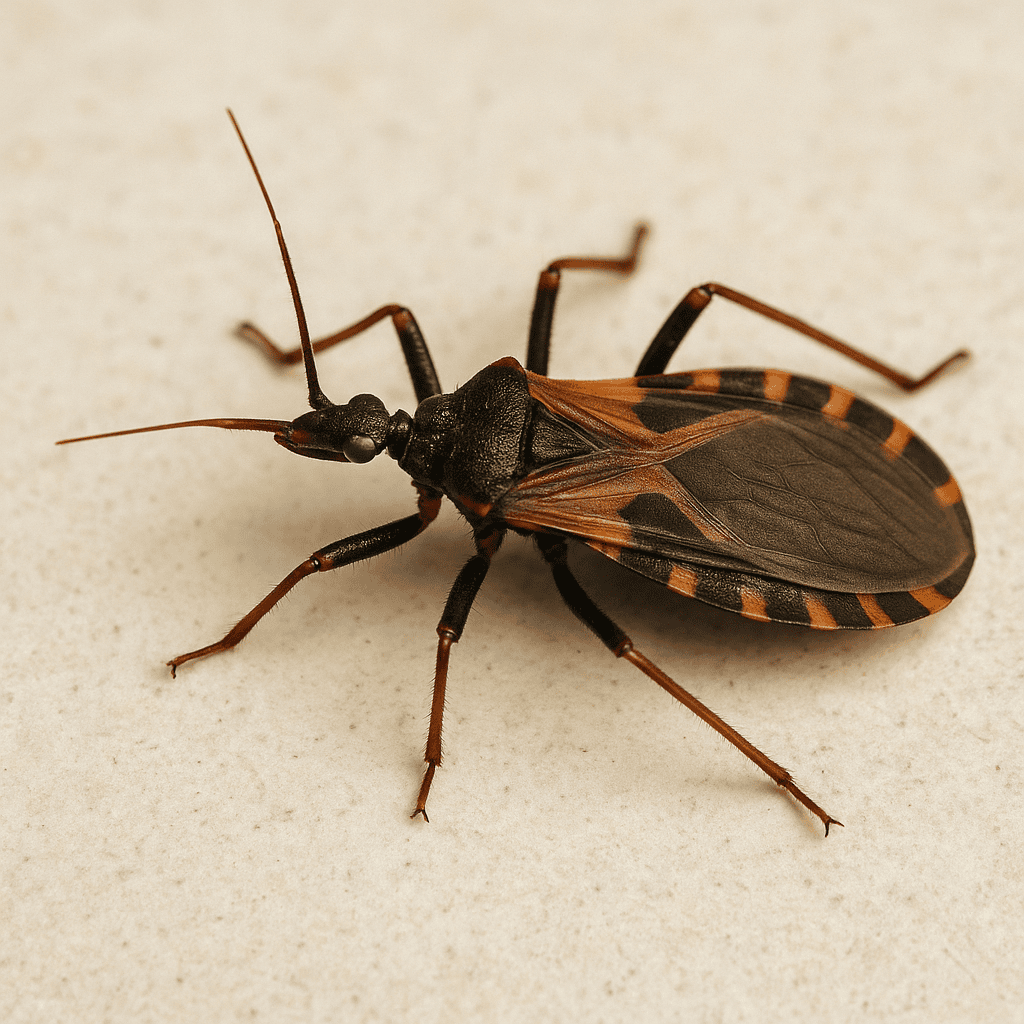
Chagas disease, often called the “kissing bug disease,” has been making headlines as it spreads in the United States. Arizona is one of the states where kissing bugs (Triatoma species) are common, particularly in the southern region. While confirmed human infections in Arizona have not been directly traced to bug bites, the insects are present, and many carry the parasite responsible for Chagas disease—making awareness and prevention critical.
Where Kissing Bugs Are Found in Arizona
Southern Arizona is a known hotspot for kissing bugs, with heavy activity in areas like:
Tucson and surrounding Pima County Cochise County Desert areas with packrat nests or outdoor animal enclosures
These insects are most active during late spring through early summer—from mid-May to mid-July—when they fly in search of food and shelter. Studies show that nearly half of the bugs collected in Arizona carry Trypanosoma cruzi, the parasite that causes Chagas disease.
How Kissing Bugs Spread Chagas Disease
Kissing bugs feed on the blood of humans and animals, often at night. Unlike mosquitoes, they don’t transmit the parasite through their bite itself. Instead, infection happens when:
The bug defecates near the bite wound and the parasite enters the skin through scratching. Contaminated bug droppings come into contact with the eyes, mouth, or open cuts.
Symptoms of Chagas Disease
Many people may not notice symptoms right away, but there are two phases of illness:
Acute Phase (weeks to months after infection)
Swelling or redness at the bite site Fever, fatigue, body aches Swollen eyelid (called Romana’s sign, a key indicator) Rash or loss of appetite
Chronic Phase (years later if untreated)
Heart problems (arrhythmias, enlarged heart, heart failure) Digestive issues (difficulty swallowing, severe constipation) Potentially life-threatening complications
If you suspect exposure, consult a doctor immediately. A blood test can confirm infection, and treatment is most effective when started early.
Treatment Options
Antiparasitic medications such as Benznidazole and Nifurtimox are available in the U.S. through the CDC. Treatment is most effective during the acute phase but may still help prevent complications in chronic cases. Doctors may also recommend heart or gastrointestinal monitoring for patients with chronic Chagas disease.
How to Prevent Kissing Bug Infestations
While human transmission in Arizona is rare, preventing bug exposure is the best protection.
Around Your Home
Seal cracks and gaps around doors, windows, roofs, and walls. Install and maintain window and door screens. Reduce outdoor lighting at night—bugs are drawn to light. Remove packrat nests, woodpiles, and debris near the home that can harbor kissing bugs. Keep pet sleeping areas clean and ideally indoors.
If You Find a Bug Indoors
Do not squash it with bare hands. Use a jar, plastic bag, or tissue to capture it safely. Freeze the bug or place it in rubbing alcohol for identification. Report findings to local health authorities or university research programs.
Key Takeaway
Southern Arizona—especially Tucson and surrounding counties—has a well-documented population of kissing bugs, many carrying the parasite that causes Chagas disease. While locally acquired human infections are rare, awareness and prevention are essential.
By sealing up your home, reducing nighttime exposure, and learning the signs of Chagas disease, you can greatly reduce your risk. If you notice unusual symptoms after possible exposure, don’t wait—get tested and treated early.
Related Links
CDC: Chagas Disease Information
University of Arizona Health Sciences:
Summertime Kissing Bug Season in Arizona
Texas A&M University: Kissing Bug Resource
National Library of Medicine: Chagas Disease in the United States
World Health Organization: Chagas Disease (American trypanosomiasis)
STM Daily News is a vibrant news blog dedicated to sharing the brighter side of human experiences. Emphasizing positive, uplifting stories, the site focuses on delivering inspiring, informative, and well-researched content. With a commitment to accurate, fair, and responsible journalism, STM Daily News aims to foster a community of readers passionate about positive change and engaged in meaningful conversations. Join the movement and explore stories that celebrate the positive impacts shaping our world.
Authors

Discover more from Daily News
Subscribe to get the latest posts sent to your email.





