

Food
Organic Dried Fruit Market Set to Hit $5.78 Billion by 2033: What’s Fueling the Surge?
The global organic dried fruit market is projected to reach $5.78 billion by 2033, fueled by rising demand for clean-label, healthy snacks and innovative packaging. Discover key trends, opportunities, and insights shaping this fast-growing industry.

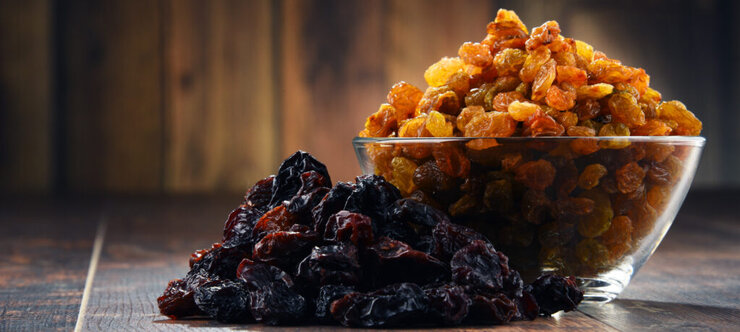
Health, Innovation, and Sustainability Drive Organic Dried Fruit Market Growth
Organic Dried Fruit Market Set to Hit $5.78 Billion by 2033: What’s Fueling the Surge?
The global appetite for organic dried fruit is showing no signs of slowing down. According to a new report from Verified Market Reports®, the organic dried fruit market is projected to soar from $3.35 billion in 2024 to a remarkable $5.78 billion by 2033, powered by a steady 6.5% compound annual growth rate (CAGR). Let’s break down what’s behind this impressive growth—and what it means for consumers, brands, and producers alike.
Why the Boom in Organic Dried Fruit?
Health and Clean Labels Take Center Stage
Consumers are increasingly seeking out snacks that are both nutrient-dense and clean-label. Organic dried fruit checks both boxes, offering a plant-based, minimally processed option for health-conscious shoppers. With more people prioritizing wellness and clean eating, demand is surging across both retail shelves and e-commerce platforms.
Innovation in Processing and Packaging
Today’s dried fruit is a far cry from the chewy raisins of the past. Advances in dehydration technology and packaging—think vacuum-drying, low-temperature dehydration, and modified-atmosphere packaging—are preserving nutrients and extending shelf life. The result? Higher-quality products, new flavor blends, and a premium snacking experience.
Sustainability and Traceability Matter
It’s not just about what’s in the bag, but where it comes from. The market is seeing a push for greater transparency, with blockchain-based traceability and partnerships focused on regenerative agriculture. Brands that can verify their sourcing and sustainability practices are earning consumer trust and commanding premium prices.
Market Trends and Opportunities
- Premiumization: Shoppers are trading up to certified organic, branded dried fruit for both snacking and as functional ingredients. This is driving higher average selling prices and margins for brands that can deliver on quality and story.
- Private Label Growth: Retailers are expanding their own organic dried fruit lines, adding competition and encouraging established brands to innovate with new formats and blends.
- Beyond Snacking: Dried fruit isn’t just for snacking anymore. It’s popping up in cereals, bakery items, health supplements, and even premium foodservice applications like mixology and garnishes.
- Regulatory Landscape: Stricter pesticide controls and harmonized organic certifications are shaping market access, especially in Europe and North America. Companies that stay ahead of these standards are better positioned for export growth.
Global Market Structure
- Asia Pacific is leading in production and export growth, thanks to efficient processing infrastructure and expanding organic acreage.
- Europe dominates premium demand, with high per-capita consumption and rigorous regulatory standards.
- North America is a major market for both branded and private-label organic dried fruit, driving innovation and ingredient partnerships.
- India & the Middle East are building their processing capacity and emerging as key exporters, particularly to Gulf and African markets.
Key Players and Competitive Landscape
Industry leaders like National Raisin, Murray River Organics, Sunsweet, Alfoah, and Ocean Spray are shaping the future of the market through innovation, strategic partnerships, and a focus on quality and traceability. The competition is heating up as private labels and established brands vie for shelf space and consumer loyalty.
Looking Ahead
The organic dried fruit market is evolving from a niche health food to a mainstream snacking and ingredient platform. Success will hinge on supply chain transparency, innovative product development, and the ability to meet evolving regulatory and consumer demands. As the market grows, opportunities abound for both established players and new entrants who can deliver high-quality, traceable, and sustainably sourced options.
For those in the food industry, now’s the time to pay attention to this dynamic category—whether you’re a retailer, producer, or health-conscious consumer looking for your next favorite snack.
Sources:
Verified Market Reports, PR Newswire, industry analysis
Let me know if you want this tailored for a specific audience or platform, or if you’d like a punchier intro or more visual elements for web!
Related Links:
- Verified Market Reports – Organic Dried Fruit Market Report
- USDA Organic Certification Overview
- International Nut and Dried Fruit Council – Market Trends
- Food Navigator – Latest on Healthy Snacking Trends
- Sustainable Food Trust – The Importance of Food Traceability
Discover the flavors shaping today’s world in our Food and Beverage section at STM Daily News. We cover everything from new product launches and culinary trends to sustainable practices and industry insights. Whether you’re passionate about food innovation or just love exploring what’s new on the menu, our curated stories and expert features keep you informed and inspired. Visit us and taste what’s next!
Authors





Food and Beverage
JonnyPops Launches Refreshing New “No Sugar Added with Electrolytes” Mini Frozen Pops
JonnyPops is launching No Sugar Added with Electrolytes mini frozen pops—an organic, dye-free treat with hydration support—coming April 2026.

Last Updated on March 31, 2026 by Daily News Staff

JonnyPops Launches Refreshing New “No Sugar Added with Electrolytes” Mini Frozen Pops.
JonnyPops Launches Refreshing New “No Sugar Added with Electrolytes” Mini Frozen Pops
A better-for-you frozen treat meets hydration support in a grab-and-go mini format.
If you’ve ever reached for something cold after a workout, a long day outside, or when you’re just not feeling 100%, you’re not alone — and JonnyPops says its fans have been telling that story for a while.
The Minnesota-based frozen treat brand announced it’s expanding its No Sugar Added Minis lineup with a new option designed to be both refreshing and functional: JonnyPops “No Sugar Added with Electrolytes” mini frozen pops.
Fans asked for hydration-friendly pops — JonnyPops listened
According to the company, the new product was inspired by emails and social media comments from customers who were already using JonnyPops as a simple way to cool down and feel a little more hydrated.
JonnyPops says consumers shared stories about playing sports in the heat, spending time outdoors, or recovering from an illness — and how a frozen treat with hydration support would be the perfect pop for those moments.
That feedback led the brand to add electrolytes to its popular No Sugar Added Minis.
What’s inside the new minis
JonnyPops says the new “No Sugar Added with Electrolytes” minis are built around the same standards fans expect from the brand, including:
- Organic ingredients
- No artificial dyes
- No added sugar
- Electrolytes for hydration support
- Layered flavors designed for a fun, refreshing bite
“Consumers often share with us how JonnyPops is part of their everyday moments,” said Erik Brust, Co-Founder of JonnyPops. “We hope that these new frozen pops will be loved by our fans and enjoyed in all moments that need a refreshing treat.”
When you can find them
JonnyPops says the new minis are expected to hit stores in April 2026.
For updates on availability and additional product news, visit www.jonnypops.com and follow JonnyPops on social media.
About JonnyPops
JonnyPops’ tagline is “A Better Pop for a Better World!™” and the company says its mission is to make “delicious, magical products” while helping make the world a kinder place.
The brand notes its pops are free from artificial dyes, made in a peanut-free facility, and include a kind deed printed on every pop stick.
JonnyPops was founded in a St. Olaf College dorm room and sold its first pops at Twin Cities farmers’ markets and local cafes in 2012. Today, the company employs 200+ people, produces its frozen pops in-house, and is sold through major retailers across all 50 states.
Learn more at jonnypops.com or follow @jonnypops on Instagram.
Media contact
At our core, we at STM Daily News, strive to keep you informed and inspired with the freshest content on all things food and beverage. From mouthwatering recipes to intriguing articles, we’re here to satisfy your appetite for culinary knowledge.
Visit our Food & Drink section to get the latest on Foodie News and recipes, offering a delightful blend of culinary inspiration and gastronomic trends to elevate your dining experience. https://stmdailynews.com/food-and-drink/
Authors


CropX Technologies has launched CropX Vision, a new AI-powered vineyard monitoring solution designed to help growers measure vine water stress using a single canopy image.
The new tool uses computer vision and agronomic modeling to estimate leaf water potential from a smartphone photo, giving growers and agronomists a faster and more scalable way to assess plant stress across entire vineyard blocks. The company says the goal is to support better irrigation decisions throughout the growing season.
CropX Vision is available globally on both iOS and Android. The platform is also integrated into the broader CropX application, allowing users to combine canopy-based stress insights with other agronomic data in one place.
According to CropX, the technology offers an in-season alternative to traditional pressure chamber measurements, which can be more time-consuming and limited in sampling range. Instead of relying on specialized equipment, growers can capture a single image in the field and receive plant-level water stress insights.
The product builds on technology originally developed by Tule Technologies, a California-based precision irrigation company acquired by CropX in 2023. Tule’s canopy sensing technology has already been used in California vineyards, and CropX is now expanding that capability to growers worldwide.
CropX says the global release reflects its continued focus on data-driven tools that help growers improve productivity while managing water more efficiently.
CropX Vision is now available for download via the app stores:
- iOS: https://apps.apple.com/nl/app/cropx-vision/id6756921607?l=en-GB
- Android: https://play.google.com/store/apps/details?id=com.cropx.cropx_vision&pcampaignid=web_share
For more information, visit CropX Vision.
Visit the Food and Drink section on STM Daily News for the latest food news, beverage trends, restaurant stories, seasonal recipes, culinary events, and community-driven lifestyle coverage.
Summer snacking just got a little sweeter. Little Bites® Snacks has announced the return of its limited-edition Little Bites® S’mores Muffins, giving families a simple way to enjoy the nostalgic flavor of a classic campfire dessert without needing a fire pit.
Inspired by the familiar combination of graham cracker and chocolate, these soft-baked mini muffins are designed to capture the cozy taste of s’mores in a portable, ready-to-eat format. Made with ingredients like graham flour and milk chocolate, the muffins offer a sweet, fluffy bite that fits perfectly into busy summer routines.
According to Rielly Whims, Brand Manager for Little Bites® Snacks, the product reflects the brand’s focus on bringing joy to everyday moments. With the return of S’mores Muffins, families can enjoy a fun, convenient snack that delivers the flavor of summer in an easy, grab-and-go pouch.
A Seasonal Treat Made for On-the-Go Moments
Little Bites® S’mores Muffins are positioned as an ideal snack for the season’s most memorable moments. Whether it’s a backyard hangout, a long road trip, a day at the beach, or a quick poolside break, the muffins are designed to bring a little extra sweetness to summer activities.
Their pre-portioned pouches also make them especially appealing for families looking for convenient snack options that are easy to pack, share, and enjoy anywhere.
Available for a Limited Time
The seasonal muffins are available now at major retailers nationwide while supplies last. As part of the broader Little Bites® lineup, the returning flavor adds a playful, nostalgic twist to the brand’s portfolio of baked snacks.
For Little Bites fans, the return of S’mores Muffins is a timely reminder that some of the best summer flavors do not need a campfire to be enjoyed. With familiar ingredients, portable packaging, and limited-time availability, this seasonal snack is set to be a fun addition to summer shopping lists.
About the Brand
Little Bites® is part of the Entenmann’s® family, a well-known name in baked goods with more than a century of baking heritage. Entenmann’s® operates under Bimbo Bakeries USA, one of the leading baking companies in the country, known for its wide portfolio of household brands and large-scale national distribution.
Together, that backing gives Little Bites® strong brand recognition and broad retail reach, helping seasonal launches like S’mores Muffins find their way into stores across the U.S. just in time for summer.
Related Links
Source
Visit the Food and Drink section on STM Daily News for the latest food news, beverage trends, restaurant stories, seasonal recipes, culinary events, and community-driven lifestyle coverage.





