

Food and Beverage
5 Ways to Savor Fresh-Grilled Summer Seafood

Last Updated on July 20, 2024 by Daily News Staff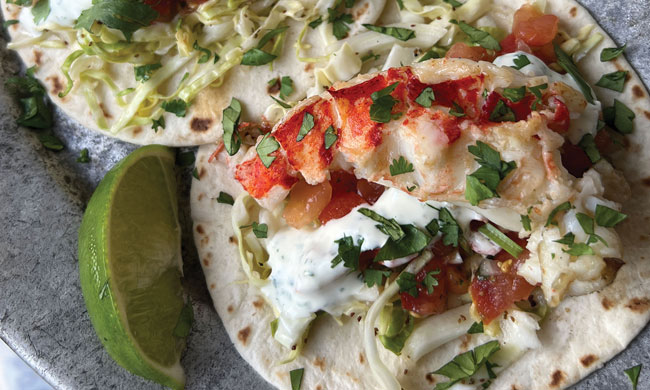
(Family Features) Keep the grill cooking all summer long with a family favorite, seafood, and satisfy taste buds with fresh flavors hot off the grates. While some people assume seafood is challenging to cook, it can actually be an easy meal for home chefs of all skill levels.
To ensure your cookout is an unrivaled success, start with seafood that brings superior taste to the table. From crustaceans to a wide selection of unique-tasting oysters and sea scallops, mussels and clams, Maine Seafood offers something for all seafood lovers.
With a coastline that stretches 3,478 miles along the cold, clean North Atlantic, the state is home to a diversity of both wild-caught and farmed species.
Get inspired by these Maine Seafood grilling tips, sure to elevate your at-home seafood experience with the state’s superior taste and quality:
Littleneck Clams
Heat grill to medium-high heat then place littleneck clams directly on grill grates or in a single layer on a large baking pan. After 5-7 minutes on the grill, clams will begin to open. Without spilling juice, carefully place clams on a serving platter. Serve with melted butter or in pasta. Discard clams that don’t open.
Oysters
Place oysters cupped sides down directly on grill heated to medium-high. Cover the grill and cook until oysters open and meat is opaque and cooked through, about 5 minutes for smaller oysters and 8-10 minutes for larger ones. Place on a serving platter, remove top shells and run a sharp knife along insides of bottom shells to detach oysters. Top with garlic butter and serve with lemon.
Salmon
Heat grill to medium-high heat. Pat salmon dry; brush with olive oil and top with seasonings. Place salmon skin side down on grill grates and cook 6-8 minutes, or until meat turns opaque. You can also try a grill-safe cedar plank to infuse added flavor.
Haddock
Heat grill to medium-high heat. Pat haddock – flaky white fish that’s sweet and delicate – dry and brush with olive oil. Wrap fillets in aluminum foil with herbs and seasonings; completely seal with seam sides facing upward. Grill 8-10 minutes, or until meat turns opaque.
Lobster Tail
For a delicious twist this summer, enjoy these tender, tasty Grilled Lobster Tacos with vinegar slaw and cilantro lime crema.
For easy, delicious recipe inspiration and to order seafood straight to your door, visit SeafoodfromMaine.com.
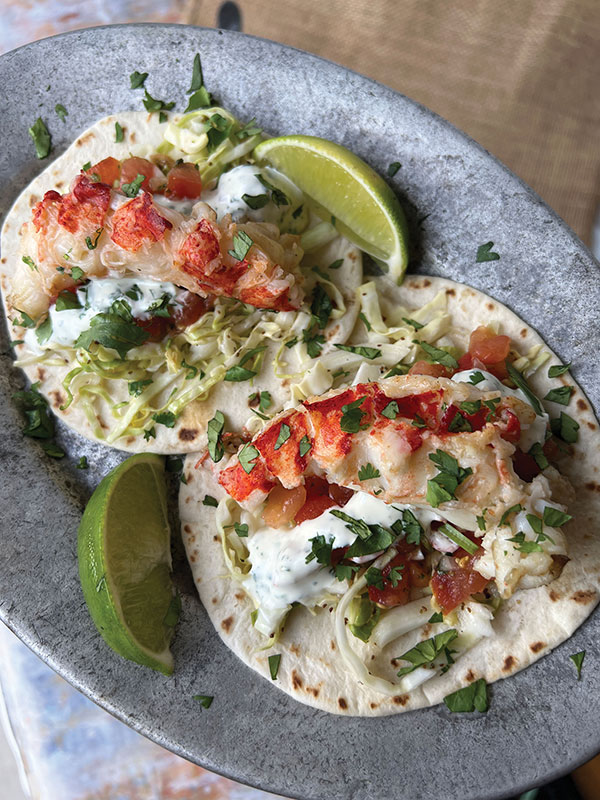
Grilled Maine Lobster Tacos
Total time: 25 minutes
Servings: 8
Vinegar Slaw:
- 2/3 cup apple cider vinegar
- 1 teaspoon celery seeds
- 2/3 cup white sugar
- 1 cup water
- 1/2 small head green cabbage, shredded or cut thinly (approximately 8 cups)
Cilantro Lime Crema:
- 1/2 cup sour cream
- fresh cilantro leaves, chopped
- 1/2 cup mayonnaise
- 4 teaspoons fresh lime juice
- 1 lime, zest only, minced
- 1/2 teaspoon minced garlic
- kosher salt, plus additional to taste, divided
- freshly ground black pepper, to taste
Lobster Tacos:
- Extra-virgin olive oil
- 4 large (4-6 ounces each) Maine Lobster tails, defrosted
- 4 tablespoons unsalted butter, melted
- salt, to taste
- pepper, to taste
- 8 small flour tortillas
- pico de gallo
- 1 lime, cut into wedges for serving
- To make vinegar slaw: In small saucepan over medium heat, heat apple cider vinegar, celery seeds, sugar and water; stir until sugar dissolves. In large bowl, pour mixture over cabbage; cover and refrigerate.
- To make cilantro lime crema: In blender, blend sour cream, cilantro, mayonnaise, lime juice, lime zest and garlic. Season with salt and pepper, to taste; refrigerate.
- To make lobster tacos: Preheat grill to medium-high heat.
- Brush grill grates with oil to prevent sticking. Using kitchen shears, cut lobster shells in half lengthwise. Place skewer through meat to prevent curling during cooking.
- Brush lobster meat with melted butter and season with salt and pepper.
- Grill lobster tails meat side down 5 minutes then flip.
- Brush meat again with butter and cook 5 minutes, or until opaque throughout. Cook to 140 F internal temperature.
- Remove meat from shells and cut into bite-sized chunks or leave whole, if desired.
- Place tortillas on grill 30-60 seconds per side, or until warmed and slightly brown.
- Add drained slaw to tortillas. Top with lobster meat, pico de gallo and cilantro sauce. Serve with lime wedges.
SOURCE:
Maine Seafood
At our core, we at STM Daily News, strive to keep you informed and inspired with the freshest content on all things food and beverage. From mouthwatering recipes to intriguing articles, we’re here to satisfy your appetite for culinary knowledge.
Visit our Food & Drink section to get the latest on Foodie News and recipes, offering a delightful blend of culinary inspiration and gastronomic trends to elevate your dining experience.
https://stmdailynews.com/food-and-drink
https://stmdailynews.com/category/food-and-beverage
You can also find food and beverage-related videos on our YouTube channel, where we regularly post new content and share tips, recipes, and demonstrations. https://youtube.com/playlist?list=PLEhXBupt8tVynuUhpQZMxQt4lvPmOiAtQ&si=InDwc7YaB0KIwmxy
Author

Discover more from Daily News
Subscribe to get the latest posts sent to your email.




Food and Beverage
Create Little Moments of Happiness This Spring with Family-Friendly Potato Recipes
As spring encourages outdoor activities, The Little Potato Company offers time-saving products, like pre-washed Little Potatoes and crispy snacks. Enjoy convenient family meals and enter their sweepstakes for a chance to win travel and grocery prizes.

(Feature Impact) As the weather breaks and spring brings increased opportunities for families to get outside, activities, adventures and jam-packed calendars abound. All those special moments spent at the park, the sports field or in the backyard may leave lasting memories, but they can also leave you feeling short on time in the kitchen.
Bring a little moment of happiness to busy family mealtimes during the spring season with The Little Potato Company’s line of easy-to-prepare Little Potatoes. They come pre-washed, require no peeling and are small enough that they don’t need to be cut, allowing for less time in the kitchen and more family time around the table as the days get longer – no extra spring cleaning required. For an added helping of convenience, their Microwave Ready Little Potato Kits come with delicious seasoning packs; simply pop into the microwave, sprinkle on the included seasoning and enjoy.
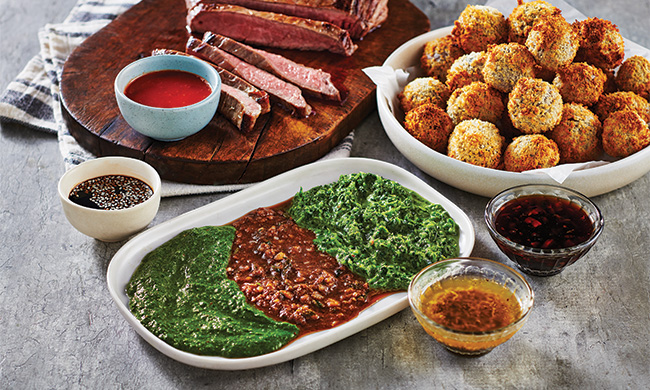
For a fun after-school or game-night snack, these Crispy Air Fryer Potato Nuggets pair perfectly with a variety of delicious dips. The air fryer cooks the potatoes in minutes, creating a crispy snack with minimal prep – no chopping or peeling needed.
Or you can make a delicious side dish a cinch with pesto, which adds a bright, flavorful twist to a classic in these Basil Pesto Mashed Potatoes. They pair perfectly with everyday family meals using Little Potatoes that require no chopping or peeling thanks to their naturally thin skins, helping cut down on prep time while bringing fresh flavor to the dinner table.
To help fuel families’ spring vacation plans and everyday meals, The Little Potato Company is giving you a chance to enter a sweepstakes through May 25 to win a $10,000 travel voucher with additional prizes including 10 grocery gift cards valued at $1,000.
Enter the sweepstakes at TheLittleSpringtimeSweeptakes.com, and find more ways to make spring meals a breeze by visiting LittlePotatoes.com.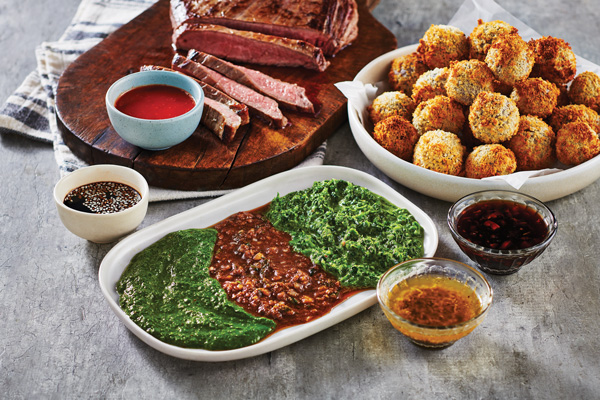
Crispy Air Fryer Potato Nuggets and Dip
Prep time: 10 minutes
Cook time: 24 minutes
Servings: 4
Potatoes:
- 1 cup all-purpose flour
- 1 teaspoon salt
- 1 teaspoon garlic powder
- 1/2 teaspoon pepper
- 1 cup milk
- 1 1/2 cups panko breadcrumbs
- 1 1/2 pounds Little Potatoes
Chimichurri:
- 1 bunch cilantro
- 1 bunch parsley
- 3 limes, juice only
- 2 tablespoons honey
- 2 teaspoons salt
- 1/2 teaspoon pepper
- 1 teaspoon chili flakes
- 1 cup canola oil
- Heat air fryer to 390 F.
- To make potatoes: In a shallow bowl, combine flour, salt, garlic powder and pepper. Whisk in milk until smooth.
- Place panko in a separate shallow bowl.
- Working in batches, coat potatoes in batter then toss in panko until fully coated.
- Place potatoes in the air fryer and cook 24 minutes, flipping halfway.
- To make chimichurri: In a blender, blend cilantro, parsley, lime juice, honey, salt, pepper, chili flakes and canola oil until smooth.
- Serve potato nuggets with chimichurri.
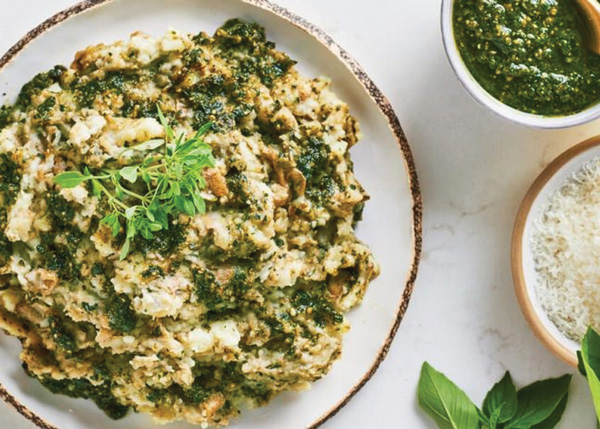
Basil Pesto Mashed Potatoes
Prep time: 5 minutes
Cook time: 20 minutes
Servings: 4
- 1 1/2 pounds Little Potatoes
- water
- 1 teaspoon salt, plus additional for seasoning, to taste, divided
- 2 1/2 cups fresh basil
- 4 cloves garlic
- 1/3 cup pine nuts
- 1/2 cup Parmesan, grated
- 2/3 cup olive oil
- pepper, to taste
- 1/2 cup milk
- 2 tablespoons butter
- Add potatoes to a large pot and cover with water. Add 1 teaspoon salt and bring to a boil for 15 minutes, or until potatoes are tender.
- In a food processor, place basil, garlic, pine nuts and Parmesan. Add oil and pulse until mixed then season with salt and pepper, to taste.
- In a small saucepot over low heat, heat milk and butter until butter is melted and milk is steaming.
- Once potatoes are cooked, strain and transfer to a medium mixing bowl.
- Using a potato masher, smash potatoes with milk and butter mixture then season with salt and pepper, to taste. Stir in pesto mixture.


SOURCE:
STM Daily News’ Food and Drink section highlights the stories, trends, flavors, and events shaping today’s food culture. From recipes to restaurant news, it keeps readers connected to what’s fresh and worth tasting.
Author

Discover more from Daily News
Subscribe to get the latest posts sent to your email.
recipes
Go Green with a Fresh Spring Salad
Welcome spring with a refreshing Spring Greens Salad featuring mozzarella and a homemade lemon vinaigrette. This light dish offers a tasty alternative to heavier meals, perfect for enhancing your dining routine. Discover more spring recipes at Culinary.net.
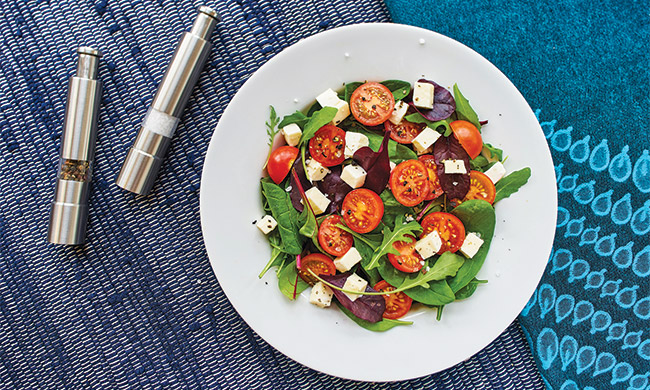
Go Green with a Fresh Spring Salad
(Feature Impact) While most people think of dirty kitchens, cramped closets and grimy garages when they hear “spring cleaning,” the popular phrase can apply to your menu, too. Refresh your family’s regular dining routines with fresh ingredients that call to mind the flavors of the season.
When it’s time to put the slow cooker away, consider this Spring Greens Salad with Mozzarella. Paired with an easy homemade lemon vinaigrette, it’s a delicious way to swap out heavier meals for a lighter lunch.
To find more springtime solutions, visit Culinary.net.
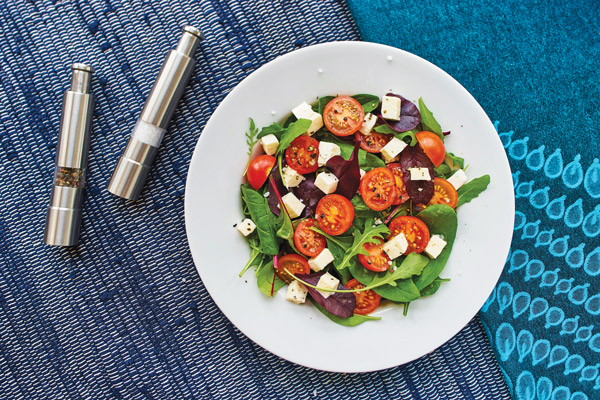
Spring Greens Salad with Mozzarella
Recipe adapted from Organic Authority
Servings: 4
- 4 cups baby arugula or spring mix
- 1/2 cup cubed mozzarella cheese
- 1 tablespoon lemon zest
- 2 tablespoons extra-virgin olive oil
- 1 tablespoon fresh lemon juice
- sea salt, to taste
- freshly ground black pepper, to taste
- halved cherry tomatoes (optional)
- In large mixing bowl, combine arugula or spring mix, mozzarella and lemon zest; set aside.
- In small bowl, whisk olive oil and lemon juice vigorously with fork until smooth. Season with salt and pepper, to taste.
- Pour vinaigrette over greens; toss gently to coat. Top with halved cherry tomatoes, if desired.
Photo courtesy of Unsplash


SOURCE:
Visit the Food and Drink section on STM Daily News for the latest food news, beverage trends, restaurant stories, seasonal recipes, culinary events, and community-driven lifestyle coverage.
Discover more from Daily News
Subscribe to get the latest posts sent to your email.
Food and Beverage
JonnyPops Launches Refreshing New “No Sugar Added with Electrolytes” Mini Frozen Pops
JonnyPops is launching No Sugar Added with Electrolytes mini frozen pops—an organic, dye-free treat with hydration support—coming April 2026.

Last Updated on March 31, 2026 by Daily News Staff

JonnyPops Launches Refreshing New “No Sugar Added with Electrolytes” Mini Frozen Pops.
JonnyPops Launches Refreshing New “No Sugar Added with Electrolytes” Mini Frozen Pops
A better-for-you frozen treat meets hydration support in a grab-and-go mini format. If you’ve ever reached for something cold after a workout, a long day outside, or when you’re just not feeling 100%, you’re not alone — and JonnyPops says its fans have been telling that story for a while. The Minnesota-based frozen treat brand announced it’s expanding its No Sugar Added Minis lineup with a new option designed to be both refreshing and functional: JonnyPops “No Sugar Added with Electrolytes” mini frozen pops.Fans asked for hydration-friendly pops — JonnyPops listened
According to the company, the new product was inspired by emails and social media comments from customers who were already using JonnyPops as a simple way to cool down and feel a little more hydrated. JonnyPops says consumers shared stories about playing sports in the heat, spending time outdoors, or recovering from an illness — and how a frozen treat with hydration support would be the perfect pop for those moments. That feedback led the brand to add electrolytes to its popular No Sugar Added Minis.What’s inside the new minis
JonnyPops says the new “No Sugar Added with Electrolytes” minis are built around the same standards fans expect from the brand, including:- Organic ingredients
- No artificial dyes
- No added sugar
- Electrolytes for hydration support
- Layered flavors designed for a fun, refreshing bite
When you can find them
JonnyPops says the new minis are expected to hit stores in April 2026. For updates on availability and additional product news, visit www.jonnypops.com and follow JonnyPops on social media.About JonnyPops
JonnyPops’ tagline is “A Better Pop for a Better World!™” and the company says its mission is to make “delicious, magical products” while helping make the world a kinder place. The brand notes its pops are free from artificial dyes, made in a peanut-free facility, and include a kind deed printed on every pop stick. JonnyPops was founded in a St. Olaf College dorm room and sold its first pops at Twin Cities farmers’ markets and local cafes in 2012. Today, the company employs 200+ people, produces its frozen pops in-house, and is sold through major retailers across all 50 states. Learn more at jonnypops.com or follow @jonnypops on Instagram.Media contact
JonnyPops@dkcnews.comAt our core, we at STM Daily News, strive to keep you informed and inspired with the freshest content on all things food and beverage. From mouthwatering recipes to intriguing articles, we’re here to satisfy your appetite for culinary knowledge.
Visit our Food & Drink section to get the latest on Foodie News and recipes, offering a delightful blend of culinary inspiration and gastronomic trends to elevate your dining experience. https://stmdailynews.com/food-and-drink/
Authors

Discover more from Daily News
Subscribe to get the latest posts sent to your email.





