

The Bridge
How Black male college athletes deal with anti-Black stereotypes on campus


Jonathan Howe, Temple University
In an effort to avoid stereotypes about Black male athletes, such as being labeled a “dumb jock,” Spike, a college football player, says he wore athletic clothes to class as little as possible.
“I mean, granted, I’m a 6-foot-4, 240-pound Black kid on campus, so it’s kind of hard to get away from that,” he said. “But I didn’t want any, you know, significant confirmation that I was an athlete. So, I just wore like a collared shirt, jeans and nice shoes every day.”
Trey, a baseball player, refrained from speaking up or sharing personal information – even with his teammates.
He said he was often “outnumbered in opinion” as he was one of two Black athletes on a team of 40, which led to him “not even wanting to speak up” about issues that may cause conflict with others. “I’m a Black student-athlete and, like, that already makes me have to carry myself a different way,” he said.
I’m a professor of sport management who researches the experiences of Black male college athletes. During the 2020-21 academic year, I interviewed 16 Black male college athletes at Division I colleges across the U.S. I wanted to know how they changed their behavior to navigate stereotypes about them.
I also asked participants, who competed in numerous sports – including football, baseball, cheer, diving, and track and field – to record audio diaries about the topic as part of the study.
I found that these college athletes, at times, went out of their way to change how they present themselves to others in order to avoid anti-Black racism and “dumb jock” stereotypes on campus. At other times, they pushed back against these stereotypes as a form of resistance.
‘I don’t bring up that I am a student-athlete’
Self-presentation refers to how someone acts or behaves during social interactions in order to influence how others perceive them. For example, a person may change how they speak, or their word choices, depending on who is around them.
The Black male college athletes in my study altered their presentation in a number of ways, including their dress or clothing and their speech. They also limited how much information they shared, and at times they hid details about their identity.
Marc, another football player, reflected on how being a Black male college athlete affected how he spoke – both the frequency and delivery – during class. “You have to be, like, more engaged,” he said. “You got to assert yourself more and you got to be more analytic about things.”
These adjustments were not restricted to academic environments. Marc was also careful about what information he shared in various athletic settings, too. “You do not really talk about personal stuff or anything like that,” he said.
Participants did not want their vulnerabilities used against them by their coaches or academic advisers.
Another strategy Black male college athletes used was hiding details about their identity – most often their athletic identity. Tyler, a track athlete, noted, “I try to make sure I don’t bring up that I am a student-athlete. I’m just trying to build my identity away from the sport.”
Black students, white campuses
Black men represent about 6% of total college students in U.S. four-year public institutions. Yet at Division I schools, the highest level of college athletic competition, they represent roughly 45% of football players and 51% of men’s basketball players.
Overall, Black men represent 12% of all Division I college athletes, excluding historically Black colleges and universities.
Meanwhile, at Power Five schools, where college football is a big-time business, as many as 1 in 6 Black male students are athletes, compared with 1 in 50 white students.
The vast majority of Division I schools are predominantly white institutions. Their athletic departments, including coaching staffs and administrators, are overwhelmingly white. For example, 78% of Division I athletic directors, 81% of head coaches, 68% of assistant coaches and 90% of head athletic trainers are white.
Similar to their athletic experience, these athletes do not see many other Black people across campus. Faculty on these campuses are 93% non-Black.
Racism and discrimination
It is well documented that Black male college athletes experience racism and discrimination while attending these predominantly white schools. This includes, for example, unequal enforcement of school policies and less access to educational opportunities.
They are discriminated against for being Black, for being Black males and for being athletes. Although touted for their physical prowess, Black male athletes are often labeled “dumb jocks” – their intelligence somehow discredited by their physical stature.
They are sometimes seen by students, faculty, staff and even fans as lacking the intellectual ability and motivation to succeed academically. They are characterized as illegitimate students who undermine the academic mission of the university and receive special treatment.
One study found that professors and academic counselors had lower academic expectations of Black college athletes compared with their white counterparts and that these athletes lacked autonomy in making academic decisions. Academic counselors often selected their courses, as opposed to the athletes registering themselves, which made the athletes feel powerless.
Another study found that faculty members were more likely to attribute Black male college athletes’ success to policies, such as affirmative action, instead of their merits, as they did for white athletes.
Resisting societal pressure
Not all the athletes altered their behavior or appearance to avoid anti-Black stereotypes. Keyvon, a football player, expressed that he presents himself authentically in predominantly white spaces as a way to “apply pressure” and force people to get comfortable with his Blackness.
Being a big-time college athlete indeed presents privileges, such as a pseudo-celebrity status, which at times can shield Black male college athletes from the impact of stereotypes and anti-Blackness. However, this is often the case solely when Black males perform well in their sport.
Sport performance should not determine how people treat Black male college athletes. Nor should Black male college athletes be placed in a box when it comes to how they present themselves, or risk anti-Black discrimination if they express themselves authentically. Ultimately, Black male college athletes will present themselves in a manner they deem appropriate – whether that aligns with what society expects or not.
Jonathan Howe, Assistant Professor of Sport Management, Temple University
This article is republished from The Conversation under a Creative Commons license. Read the original article.
The Sports section of STM Daily News is your ultimate destination for all things sports, catering to everyday fans and dedicated enthusiasts alike. We cover a wide range of topics, from the thrill of amateur competitions to the excitement of semi-professional and professional leagues. Our content delves into physical and mental fitness, providing insights and tips that help individuals elevate their performance, whether on the field or in their personal wellness journeys. Stay informed and inspired as we explore the dynamic world of sports, celebrating both the passion of the players and the joy of the fans.
https://stmdailynews.com/sports
Discover more from Daily News
Subscribe to get the latest posts sent to your email.



Community
Culver’s Thank You Farmers® Project Hits $8 Million Donation Milestone
Culver’s Thank You Farmers Project surpasses $8M in donations since 2013, including a record $1.5M raised in 2025 for agriculture’s future.


Young wheat plant field on golden sunset landscape background. Green grain crop in agriculture farm. Rye harvest cereal backdrop
Culver’s Thank You Farmers® Project Hits $8 Million Donation Milestone
Culver’s has always worn its Midwest roots proudly—right down to the farm-fresh ingredients behind its ButterBurgers and Fresh Frozen Custard. This week, the restaurant brand shared a milestone that reinforces that connection in a big way: Culver’s Thank You Farmers® Project has officially surpassed $8 million in total donations since launching in 2013. Even more impressive, 2025 marked a record year, with more than $1.5 million raised to support the future of agriculture through education, advocacy, and community-based partnerships.A 12-year commitment to the people behind the food
When Culver’s started the Thank You Farmers Project, the mission was simple: support farmers and strengthen agricultural education so the next generation can continue feeding communities for decades to come. Twelve years later, that mission has grown into a nationwide effort powered by local restaurants, community partners, and everyday guests. As Alison Demmer, Culver’s senior public relations manager, put it: behind every meal served is a network of hardworking farmers. The Thank You Farmers Project is Culver’s way of turning gratitude into action—by investing in the people and programs that keep agriculture strong.How guests and communities helped raise $1.5 million in 2025
The Thank You Farmers Project is fueled by participation—donations at the register, local fundraising, and limited-time initiatives that make it easy for guests to contribute while enjoying the Culver’s experience. Here are some of the standout efforts from 2025:- Green and Gold: Culver’s donated $1 for each rental and digital purchase of the movie Green and Gold, totaling $100,000 donated to three agricultural organizations.
- To Farmers with Love Contest: Guests nominated farmers and ranchers for recognition, with five winnersreceiving a $500 cash prize, a VIP Tim McGraw concert experience at the Field of Dreams, plus Culver’s gift cards and swag.
- Scoops of Thanks Day (11th annual): Guests donated more than $170,000, receiving a single scoop of Fresh Frozen Custard in exchange for a $1 donation supporting local FFA chapters and other agricultural education organizations.
- Concretes for a Cause: Culver’s raised more than $570,000 by donating $1 from each Concrete Mixer soldsystemwide over a five-day period—supporting local hunger relief initiatives.
- Culver’s FFA Ambassadors: Guests nominated standout FFA members to represent Culver’s as ambassadors. Ten ambassadors earned up to $2,500 for their local chapters to fund learning experiences through agriculture advocacy events in partnership with Culver’s.
Culver’s Thank You Farmers Project has officially passed $8 million in total donations since the program began in 2013.
Why this milestone matters beyond the number
An $8 million milestone is worth celebrating—but the bigger story is what it represents: a long-term investment in agricultural education and sustainability, backed by a brand with more than 1,000 family-owned and operated restaurants across 26 states. Programs like this help ensure:- Students have access to hands-on agricultural learning opportunities
- Local FFA chapters and education organizations can expand their impact
- Communities stay connected to the real people behind the food supply
- Future farmers and ranchers feel seen, supported, and valued
How to get involved
Culver’s is encouraging guests and community members to learn more, donate, or participate in upcoming initiatives tied to the Thank You Farmers Project. To explore the program and find ways to support it, visit: https://www.culvers.com/about-culvers/thank-you-farmers-projectFAQ: Culver’s Thank You Farmers Project
About Culver’s
For more than 40 years, Culver’s has served cooked-to-order meals made with farm-fresh ingredients and delivered with a signature commitment to friendly service. The brand’s menu is best known for the ButterBurger (made with fresh, never-frozen beef) and Fresh Frozen Custard, including its popular Flavor of the Day program. With more than 1,000 restaurants in 26 states, Culver’s continues to grow while staying rooted in small-town Midwestern values—and the Thank You Farmers Project is one of the clearest examples of that commitment in action.High Demand Marks “Veggies for Veterans” Event Amid SNAP DelaysLink: https://stmdailynews.com/high-demand-marks-veggies-for-veterans-event-amid-snap-delays/
Discover more from Daily News
Subscribe to get the latest posts sent to your email.
Stories of Change
The Holiday Spirit Matters But So Does What Happens After
The Holiday Spirit: Holiday generosity is powerful, but community needs don’t end when the decorations come down. Learn practical ways to give back year round—volunteering, donating, sharing skills, and supporting causes you believe in—with help from United Way.

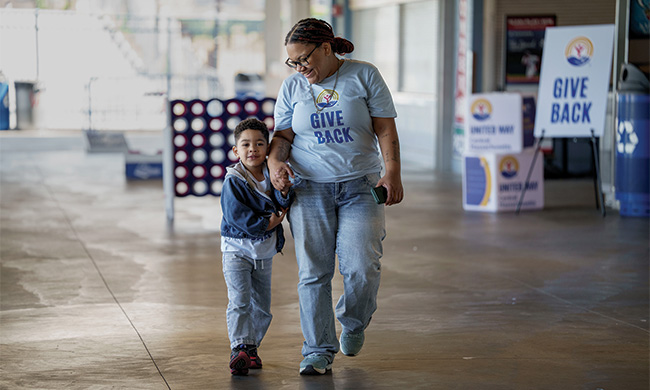
The Holiday Spirit Matters — Why Giving Back Should Last All Year
(Family Features) During the holiday season, many people feel a renewed sense of generosity. It’s a time when communities come alive with food drives, toy collections, volunteer events and donation campaigns – all fueled by the spirit of giving. While this seasonal energy can be powerful, the need it responds to doesn’t fade when the decorations come down. Giving back is not only essential during the holidays; it’s also the foundation of stronger, more resilient communities year round. People in nearly every community face challenges – whether it’s affording holiday presents or meeting basic needs like food, rent and utilities. For many families, current economic strains are forcing them to make tough decisions like sacrificing necessities or depleting savings to create moments of holiday joy.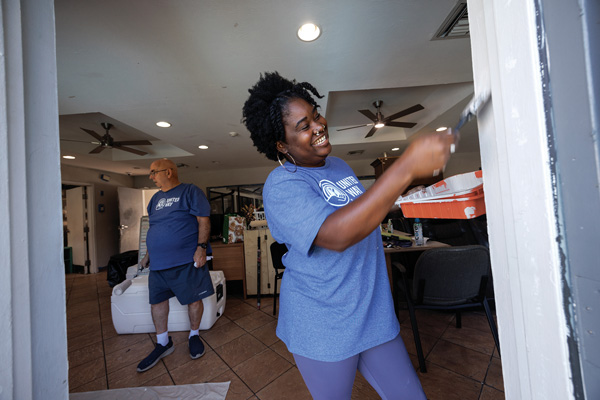 This is a time to rally support and help neighbors in need. Right now, many community members who didn’t previously need help are seeking support. Acts of generosity large and small help close gaps and strengthen communities. When individuals and businesses give their time, resources and talent, they can help ensure everyone has a fair chance to not only survive but thrive. Communities rely on nonprofit organizations like United Way – one of the oldest and largest organizations committed to tackling local challenges and mobilizing communities to improve lives. With a presence in nearly 99% of communities across the U.S., the organization recognizes the power of giving and relies on seasonal and year-round generosity to deliver food and housing assistance, youth programs, mental health support, disaster recovery and more. This holiday season and beyond, to assist your community consider taking actions such as: Volunteering Offering your time is one way to make a real change in your community while helping build a more resilient future for all. What’s more, research shows the personal benefits of volunteering, such as reduced feelings of isolation, loneliness and risk of depression. Whether it’s a community event, ongoing support or in-person activities, making a difference for others feels good. Donating Sharing your financial resources can play a vital role in helping communities thrive. Your donation can help put food on the table for families in need, support kids who are struggling or provide mental health services to the most vulnerable individuals. Remember, your gift of any size combines with the gifts of others and builds stronger, more resilient communities. Sharing Expertise or Talent Generosity can take many forms. Making a difference isn’t just about time and money; it can also mean sharing skills or knowledge, and even social networks to bolster charitable efforts. Giving back builds a shared sense of responsibility. It reminds people that strong communities don’t happen by accident – they’re created through connection, compassion and collective action. Supporting Causes You Believe In Every community faces their own unique, pressing challenges and almost everyone has a cause that’s close to their hearts. Identify organizations working to advance those causes and make a plan to support them. Find opportunities to support your community this holiday season and make generosity a year-round tradition at unitedway.org/local.
 Nourishing Our Heroes: Eight Years of Impact at Phoenix VA’s Veggies for VeteransLink: https://stmdailynews.com/nourishing-our-heroes-eight-years-of-impact-at-phoenix-vas-veggies-for-veterans/
Stories of Change: People Making a Difference
Discover inspiring stories of changemakers making a positive impact. Explore videos and articles of people tackling today’s biggest challenges with action and hope. Visit: https://stmdailynews.com/stories-of-change/
STM Daily News is a multifaceted podcast that explores a wide range of topics, from life and consumer issues to the latest in food and beverage trends. Our discussions dive into the realms of science, covering everything from space and Earth to nature, artificial intelligence, and astronomy. We also celebrate the amateur sports scene, highlighting local athletes and events, including our special segment on senior Pickleball, where we report on the latest happenings in this exciting community. With our diverse content, STM Daily News aims to inform, entertain, and engage listeners, providing a comprehensive look at the issues that matter most in our daily lives. https://stories-this-moment.castos.com/
Discover more from Daily News
Subscribe to get the latest posts sent to your email.
Blog
Glad and Oscar the Grouch Team Up for a Trashy, Toe-Tapping Campaign
Glad teams up with Oscar the Grouch for a playful revival of the “Don’t Get Mad. Get Glad.” campaign, featuring a musical number, limited-edition Oscar-inspired trash bags, and a fresh take on making trash day fun for all ages.
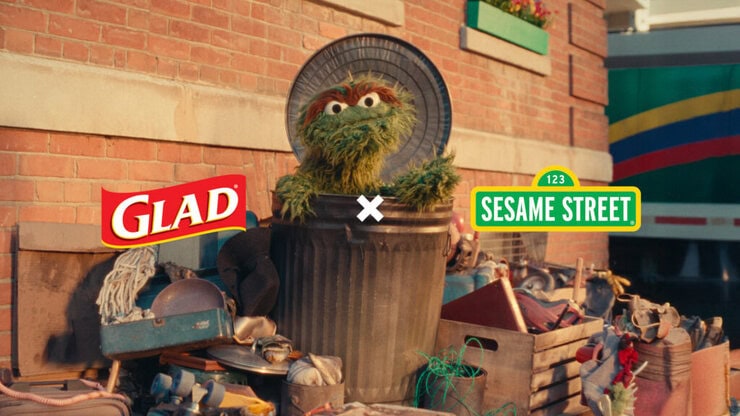
Glad revives its most popular, decades-long, star-studded ad campaign, “Don’t Get Mad. Get Glad.”
A Classic Campaign Gets a Grouchy Remix
Why Oscar? Why Now?
Nostalgia Meets New Audiences
Limited-Edition Oscar Goodies and Where to Find Them
Where to Watch
-

- Glad revives its most popular, decades-long, star-studded ad campaign, “Don’t Get Mad. Get Glad.”
-
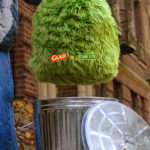
- Glad revives its most popular, decades-long, star-studded ad campaign, “Don’t Get Mad. Get Glad.”
Bringing the Campaign Home: Phoenix Community Clean-Up
- “Phoenix, let’s get grouchy about litter and Glad about clean streets! Join our community clean-up and share your photos with #GladToCleanPHX.”
- “Spotted: Oscar the Grouch in Phoenix! Grab your Glad bags, clean up your neighborhood, and tag #OscarLovesTrash for a chance to be featured.”
- “Spring cleaning in Phoenix just got a lot more fun—thanks to Glad and Oscar! Who’s joining our next clean-up day? #GladToCleanPHX”
About the Brands
- Glad Products Company
- Sesame Workshop
- PRNewswire
- Press release via Glad, Dec 2, 2025 (based on IRI data, last 52 weeks ending 10/26/2025)
High Demand Marks “Veggies for Veterans” Event Amid SNAP Delays
Discover more from Daily News
Subscribe to get the latest posts sent to your email.





