

Lifestyle
Tech Time: Technology-enabled devices for parents and children

Last Updated on November 3, 2025 by Daily News Staff
(Family Features) Encouraging a successful education for your kids while promoting fun after-school learning may never be easier than right now. From wearables to virtual reality headsets and beyond, the latest tech-enabled devices let families enhance classroom experiences while engaging in downtime together after the final school bell rings.
Find more gadgets to help families balance learning and pleasure this school year at qualcomm.com.
First Work Then Play
A practical choice, the Lenovo Duet 3 Chromebook is an ideal work and play device for a hyper-mobile student, delivering superior experiences with an 11-inch 2K near-borderless display. Faster connectivity options, all-day battery life and the powerful, fanless and efficient performance of the Snapdragon 7c Gen 2 Compute Platform ensure things get done. Thanks to the speedy, secure and simple-to-use Chrome OS, you can tackle tasks on this 2-in-1’s detachable keyboard with anti-pry, water-resistant keys then seamlessly switch to pleasure pursuits by folding into tablet mode.
Lightweight, Powerful Computing
Weighing in at less than 1.2kg, the convertible Acer Chromebook Spin 513 is not only light but also barely larger than a sheet of paper so it slips easily into any compact bag or backpack. Powered by the Snapdragon 7c Compute Platform, it delivers more than enough processing power, battery life and reliable connectivity to get you or your student through the day. A quick flip between laptop and tablet modes means it can be used to doodle, watch classroom instruction and learn on the go. Built-in cellular connectivity means the device seamlessly converts between 4G LTE and trusted Wi-Fi networks.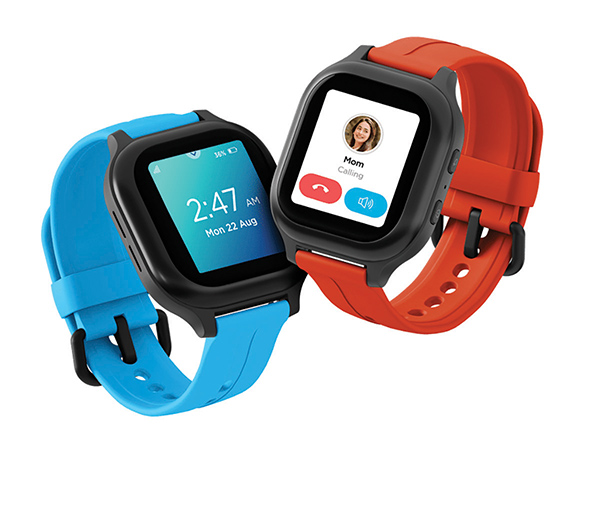
Wearable Connectivity
Powered by the Snapdragon Wear 2500 Platform, the Gabb Watch is a safe wearable phone for kids that does extra duty as a GPS tracker, phone and interactive smartwatch. The watch offers kid-friendly sweat and dirt resistance and enables GPS tracking, calling, voice and text messaging to help parents and kids stay connected. With a lock mode, safe zone location management and emergency notifications, it’s a smart first step toward independence for junior users.
Headset Hero
Designed from the ground up to drive advanced features, Snapdragon XR2 is the force behind the Meta Quest 2 headset’s freedom of movement and high-resolution display. This headset allows families to become completely immersed in the virtual reality applications and games played for maximum adventure experiences. Even better, hundreds of hit games, one-of-a-kind experiences and a growing community await users of this next-level hardware that’s both easy to set up and safe to use.
A Phone to Keep Everyone Connected
Choosing a phone means looking for the fastest speeds, highest resolution camera, loudest audio and boldest display.Powered by the latest Snapdragon 8 Gen 1 Mobile Platform processor, the motorola edge+ (2022) delivers. This industry-leading smartphone is a high-performance choice that brings unparalleled processing power on the industry’s fastest mobile platform, fueling cutting-edge 5G, AI, gaming, camera and Wi-Fi and Bluetooth technologies. What’s more, features like extended battery life and 512 GB of storage mean your phone is ready whenever you are.
Photo courtesy of Getty Images (Mom and Son)
SOURCE:
Qualcomm
Our Lifestyle section on STM Daily News is a hub of inspiration and practical information, offering a range of articles that touch on various aspects of daily life. From tips on family finances to guides for maintaining health and wellness, we strive to empower our readers with knowledge and resources to enhance their lifestyles. Whether you’re seeking outdoor activity ideas, fashion trends, or travel recommendations, our lifestyle section has got you covered. Visit us today at https://stmdailynews.com/category/lifestyle/ and embark on a journey of discovery and self-improvement.
Our Lifestyle section on STM Daily News is a hub of inspiration and practical information, offering a range of articles that touch on various aspects of daily life. From tips on family finances to guides for maintaining health and wellness, we strive to empower our readers with knowledge and resources to enhance their lifestyles. Whether you’re seeking outdoor activity ideas, fashion trends, or travel recommendations, our lifestyle section has got you covered. Visit us today at https://stmdailynews.com/category/lifestyle/ and embark on a journey of discovery and self-improvement.
Author


Last Updated on April 3, 2026 by Daily News Staff
(Feature Impact) Easter celebrations don’t need to be elaborate to feel special. A few thoughtful touches – from elegant decor to sweet seasonal treats – can instantly elevate baskets, brunch tables and spring gatherings.
Darling Decor
Few things capture the spirit of spring like a welcoming table. Creating an Easter-ready setting can be simple: pastel eggs nestled in woven baskets, floral runners, ribbons, paper napkins, egg-shaped votives and whimsical bunny accents instantly brighten the scene. Layering soft colors and natural textures helps create a table that feels festive yet effortless.
 Brunching with Bunnies
Easter is the perfect excuse to refresh your brunch menu. A signature dish – whether it’s a savory quiche, fluffy pancakes or a fresh fruit board – paired with playful mocktails can instantly set a celebratory tone.
For a sweet finishing touch, add a bowl of Ferrero Rocher premium gold-wrapped chocolates to the table. They double as both a treat and eye-catching accent. Guests can also enjoy the brand’s first-ever hollow bunny candy, “Bunny and Egg,” a festive seasonal chocolate designed especially for Easter celebrations. These elegant treats work just as well tucked into Easter baskets as they do placed around the table for guests to enjoy.
Festive Florals
No spring table is complete without flowers. Seasonal favorites like tulips, daffodils, hyacinths and white lilies can brighten any gathering. Arrange them in rabbit-shaped planters or simple bud vases for a playful touch. For a creative twist, fill clear vases with colorful stones, craft gems or even jellybeans before adding blooms for a centerpiece that feels both festive and fresh.
Beyond Basic Baskets
Easter baskets have evolved beyond simple candy assortments. Today’s baskets often feature curated treats and small gifts for everyone at the table. For a premium addition, Ferrero Rocher Golden Eggs – individually wrapped white, milk and dark chocolates with a smooth, indulgent center – bring a touch of elegance to baskets, egg hunts or springtime place settings.
Sweet Moments to Share
Sometimes the most memorable Easter traditions are the simplest ones – sharing dessert after brunch, passing around chocolates at the table or sending guests home with a small sweet treat. Setting out a bowl of chocolates encourages everyone to pause, indulge and celebrate the moment together.
Find more elegant treat and decor ideas to elevate your Easter celebration at ferrerorocher.com.
Photo courtesy of Shutterstock (man and woman painting Easter eggs)

 SOURCE:
Our Lifestyle section on STM Daily News is a hub of inspiration and practical information, offering a range of articles that touch on various aspects of daily life. From tips on family finances to guides for maintaining health and wellness, we strive to empower our readers with knowledge and resources to enhance their lifestyles. Whether you’re seeking outdoor activity ideas, fashion trends, or travel recommendations, our lifestyle section has got you covered. Visit us today at https://stmdailynews.com/category/lifestyle/ and embark on a journey of discovery and self-improvement.
health and wellness
Progress, Not Perfection: How Healthy Habits Can Stack Up One Step at a Time
The article emphasizes that achieving better health relies on progress, not perfection. It advocates for realistic goals and highlights tools like My Life Check for personalized health assessments. Small, manageable changes in diet, exercise, sleep, and stress management can significantly impact overall well-being, making healthy habits more attainable and sustainable.

Last Updated on April 1, 2026 by Daily News Staff
Progress, Not Perfection: How Healthy Habits Can Stack Up One Step at a Time
(Feature Impact) Despite the best of intentions, it’s common for plans to build healthier habits to fall flat. Often, the culprit isn’t a lack of motivation or discipline; rather, it’s unrealistic expectations.
Overhauling your lifestyle requires a level of commitment that isn’t always practical. Understanding your personal health needs and the challenges you need to overcome can help give you a more realistic roadmap toward better health.
Tools to Guide You
Every plan needs a starting point and there are many reputable sources that can help guide you toward a plan that addresses your personal health needs.
For example, the American Heart Association introduced My Life Check, a simple, free tool to help individuals understand their heart health and what’s driving it. Users answer simple questions about their daily habits and health factors to get a personalized Heart Health Score in minutes.
The results are private and downloadable, giving you full control of your information. The tool turns big goals into small, specific actions you can start right away. Knowing your numbers relative to your heart health (and where you are in comparison to target ranges for optimal health) can help you decide how to build a better map to get you where you want to be.
While the report is customized to each individual, no personal data is stored and answers are only used to calculate health scores and provide personalized recommendations and practical steps to improve your health, so you can use your results to focus on what matters most to you. Every small step you take, such as moving more, eating smarter, sleeping better or managing stress, can add up over time.

Finding Your Path
Once you’re armed with data and know where you stand on your heart health numbers, small steps become clearer and more manageable. That knowledge makes it easier to choose one area to focus on, such as getting more sleep, taking daily walks or adding more color to your meals.
Healthy changes don’t need to be expensive or complicated. The best habits are ones that fit real life when every action you take moves you closer to your goals.
Staying motivated and on track is also easier when you can check back in, see your progress and realize the steps you’re taking are making an impact. Checking in every few months to see how you can grow gives you the chance to celebrate your progress, learn from challenges and keep building lasting habits that feel good.
To get started with personalized tips to set your own health goals, visit heart.org/mylifecheck.
Healthy Habits for Everyday Life
Eat Smart
Choose foods that help you feel your best, one meal at a time. Add more color to your plate and focus on balance, not restriction. Simple, affordable swaps can make a real difference.
Smart Tip: Aim for an overall healthy eating pattern that includes whole foods, fruits and vegetables, lean protein, nuts, seeds and cooking in non-tropical oils such as olive and canola.
Move More
Find movement that fits your life, such as a walk, a stretch or dancing while you cook. Every bit of activity counts and it all supports your heart and mind. Move for joy, not just for results.
Smart Tip:Adults should get 150 minutes of moderate physical activity (or 75 minutes of vigorous activity) per week. Kids should aim for 60 minutes every day, including play and structured activities.
Sleep Well
Rest is a foundation of good health, not a reward. Protect your bedtime routine and give your body the recovery it deserves. Notice how good sleep makes everything else easier.
Smart Tip: Most adults need 7-9 hours of sleep each night. Children require more. Adequate sleep promotes healing, improves brain function and reduces the risk for chronic diseases.
Manage Stress
Check in with yourself regularly, both mentally and emotionally. Create simple moments to pause, breathe, laugh or step outside. Connection, kindness and calm all support a healthy heart.
Smart Tip:The first step to stress management is awareness. Step “away from yourself” for a moment. Objectively ask yourself, “Is my stress level too high?” If so, look at what might be causing that stress.
Ideas for Incremental Changes
- Dedicate 15 minutes at the beginning or end of the day to focus on self-care, whether it’s unwinding with some music, writing down your goals or reflecting on the highlights of the day.
- Aim to add an extra serving of fruits or veggies each day, such as creating a savory veggie omelet or exploring new smoothie blends that let you pack in the produce on the go.
- Give your cabinets a quick update and put the smaller plates front and center. When you use a smaller plate, you can fill it while still sticking to recommended serving sizes.
- If you’re not a fan of the gym, think about how your hobbies can play a role in your physical activity. Even gardening counts as physical activity, so get creative to get moving with an activity you truly enjoy.
- Establish a bedtime routine that allows you to ease into sleep more easily. Once you feel the impact of better-quality rest, you may find yourself more motivated to make a regular bedtime a priority.
Photos courtesy of Shutterstock
https://erp.featureimpact.com/api/v1/tracking/17763/10235/track.js
(function () {
var image = new Image(1, 1);
image.src = ‘https://erp.featureimpact.com/api/v1/tracking/17763/10235/track.gif?referrer=’ + window.location.href;
image.id = ‘feature-impact-content-tracking-pixel’;
image.style.position = ‘absolute’;
image.style.top = 0;
image.style.left = 0;
document.body.appendChild(image);
})();
SOURCE:
Lifestyle
How to Practice Thoughtful Grief Etiquette Online
Grief experts advise caution in sharing condolences and loss-related information on social media, emphasizing the importance of prioritizing the grieving family’s needs. Thoughtful posting practices include waiting for family approval, reaching out privately first, and avoiding speculation about the cause of death. Compassionate communication is essential in these sensitive situations.
Last Updated on March 31, 2026 by Daily News Staff
(Feature Impact) News of a death can spread online in seconds – often before families have notified close family members privately. That’s why grief experts urge people to rethink how they share condolences, tributes and loss-related information on social media, particularly during the winter months when grief can feel especially isolating.
“Grief etiquette is about putting the needs of the grieving family first, not our urge to say something publicly,” said Dr. Camelia L. Clarke, National Funeral Directors Association (NFDA) spokesperson, funeral director and grief educator with nearly 30 years of experience. “Just because information can be shared instantly doesn’t mean it should be.”
Social media has become a common place for sharing condolences, tributes and memories. However, grief experts caution that, without thoughtful consideration, online posts can unintentionally cause harm. Knowing when to post, what to say and when to remain silent can make a meaningful difference for families experiencing loss.
Consider this advice from the experts at the NFDA.
Grief Etiquette in the Digital Age
Grief etiquette refers to the unspoken guidelines for how individuals acknowledge death, loss and mourning, particularly online.
According to Clarke, one of the most important principles is restraint.
“When a death is shared online too quickly, families can feel exposed and overwhelmed at a moment when they’re still processing the loss themselves,” she said. “Waiting is an act of compassion.”
Best Practices for Posting About Loss Online
As social media continues to play a role in modern mourning, grief professionals encourage users to pause before posting and consider a few key guidelines:
- Let the family lead. Don’t post about a death until the immediate family has made it public.
- Ask permission. Obtain consent before sharing photos, stories or tributes.
- Reach out privately first. A direct message, call or handwritten note can be more meaningful than a public comment.
- Avoid speculation. Don’t ask about or share details regarding the cause of death.
- Offer ongoing support. Grief extends far beyond the first days or weeks after a loss.
What to Say (and Avoid)
When expressing condolences online, experts recommend simplicity, sincerity and sensitivity. Messages that acknowledge loss without attempting to explain or minimize it are often the most supportive.
Helpful phrases include:
- “I’m sorry for your loss.”
- “Thinking of you and your family.”
- “I’m here if you want to talk or need anything.”
By contrast, well-meaning cliches can unintentionally cause harm. Phrases such as “They’re in a better place” or “Everything happens for a reason” may reflect the speaker’s beliefs, but they can feel dismissive to someone grieving.
“Grieving people don’t need answers – they need presence,” Clarke said. “Listening matters more than saying the perfect thing.”
Resources for Families and Friends
As digital spaces continue to shape how people communicate during life’s most difficult moments, experts agree empathy, patience and respect remain timeless.
“Grief is deeply personal,” Clarke said. “When we slow down and lead with compassion, we honor both the person who has died and those who are left to grieve.”
To learn more about how to support a grieving person and access free, expert-reviewed resources for navigating grief, expressing condolences and supporting loved ones before, during and after a loss, visit RememberingALife.com, an initiative of the NFDA.
Photo courtesy of Shutterstock
<img src="https://ssl.google-analytics.com/collect?v=1&tid=UA-482330-7&cid=1955551e-1975-5e52-0cdb-8516071094cd&sc=start&t=pageview&dl=http%3A%2F%2Ftrack.familyfeatures.com%2F17832%2F10240&dt=HOW-TO-PRACTICE-THOUGHTFUL-GRIEF-ETIQUETTE-ONLINE" />
<img src="https://erp.featureimpact.com/api/v1/tracking/17832/10240/track.gif" />SOURCE:





